Lifestyle 13 min read

Exercise and PCOS: What Type Actually Moves the Needle

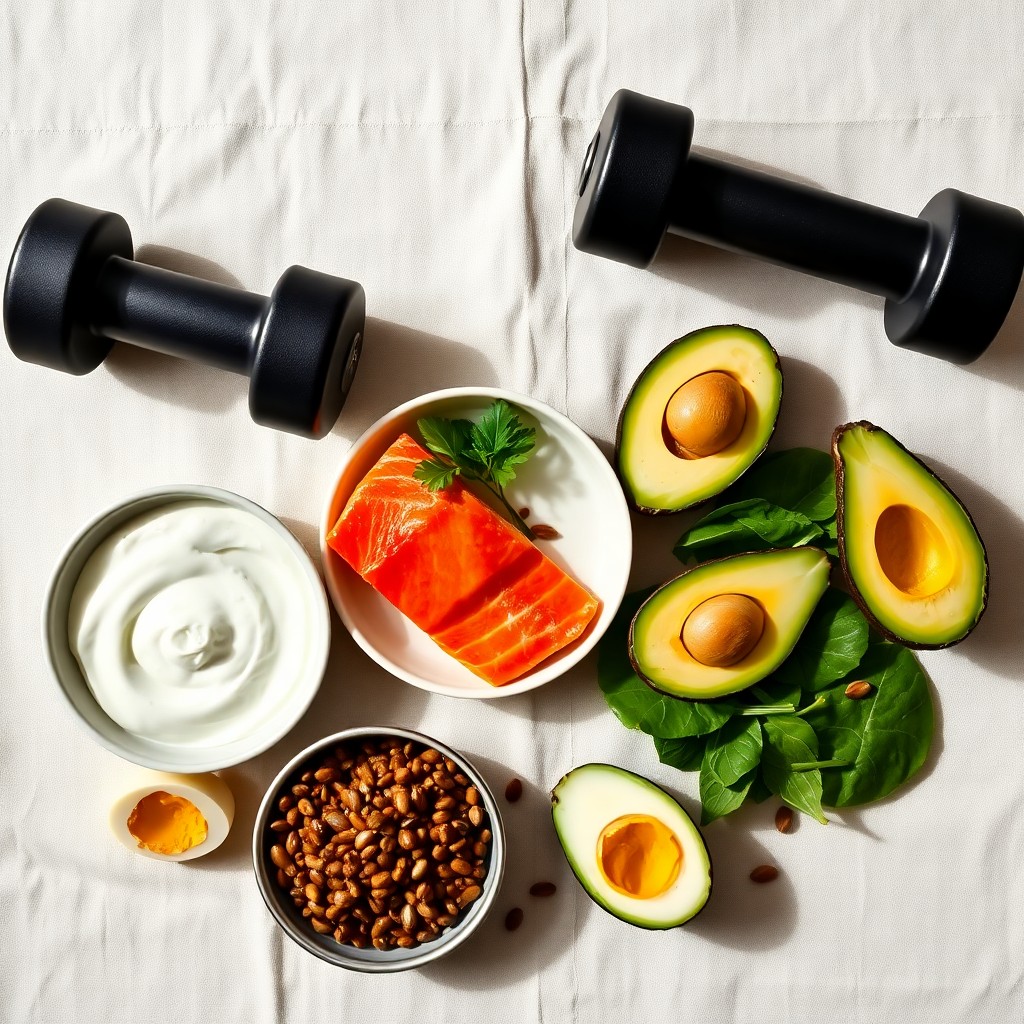
PCOS-friendly exercise and nutrition: dumbbells alongside salmon, eggs, avocado and greens on a linen surface

Why resistance training and HIIT outperform long cardio sessions for insulin sensitivity, androgen reduction, and menstrual regularity.

If you have PCOS, you've almost certainly been told to exercise more — usually without any further guidance on what that actually means. The reality is that exercise type matters enormously for PCOS, and the default recommendation of "more cardio" can, in some cases, actively work against you. The good news: the types of exercise that are most effective for PCOS are also the most time-efficient.

🔑 Key takeaways

Contents

  1. Why exercise affects PCOS differently
  2. Resistance training: the most evidence-backed approach
  3. A beginner resistance training template
  4. HIIT vs. steady-state cardio
  5. Walking and yoga: the underrated PCOS tools
  6. How much exercise is actually enough
  7. The cortisol problem: when exercise backfires
  8. How to structure exercise around fasting and meals
  9. Combining exercise with a PCOS diet
  10. Frequently asked questions

Why exercise affects PCOS differently than other conditions

Most general exercise advice targets cardiovascular health or weight management. PCOS requires a different frame. The central problem in most PCOS cases is insulin resistance — cells not responding normally to insulin — which drives excess androgen production, disrupts ovulation, and creates the symptom cluster most women are dealing with.

Exercise addresses this directly. When muscle fibres contract, they take up glucose through a pathway that bypasses the insulin receptor entirely — meaning exercise improves glucose clearance even in insulin-resistant tissue. Over time, consistent training upregulates GLUT4 transporters in muscle cells, making them more responsive to insulin with or without exercise. This is why exercise produces measurable improvements in HOMA-IR (a standard measure of insulin resistance) in women with PCOS, and why those improvements often appear before any meaningful weight change.

A second mechanism is equally important: exercise reduces visceral adipose tissue — the metabolically active fat stored around abdominal organs — which is a primary driver of inflammation and insulin resistance in PCOS. Even when total weight doesn't change, exercise shifts body composition in ways that directly alter the hormonal environment.

Resistance training: the most evidence-backed approach

Across the research literature, resistance training consistently shows the strongest effects on insulin sensitivity in women with PCOS — stronger than equivalent doses of aerobic exercise. The mechanism is straightforward: skeletal muscle is the body's largest insulin-sensitive tissue. More muscle means more capacity to clear glucose from the bloodstream after eating, which reduces the insulin surge that drives androgen production.

Research also suggests resistance training reduces free testosterone and SHBG-bound androgen ratios in women with PCOS, with some studies showing improvements in menstrual regularity after 12–16 weeks of consistent training. These hormonal shifts occur independently of weight change — which matters because many women with PCOS are frustrated by slow weight loss despite effort.

What resistance training looks like in practice

Two to three sessions per week of compound movements is sufficient and evidence-backed. Compound movements — squats, deadlifts, Romanian deadlifts, rows, presses — recruit the largest muscle groups and produce the greatest metabolic response. You don't need to lift heavy: progressive overload at moderate weights (where the last 2–3 reps of a set are genuinely effortful) drives the same adaptations as heavier loading for metabolic health purposes.

Each session can be 35–50 minutes. A simple structure: 4–5 compound exercises, 3–4 sets each, 8–12 reps, 60–90 seconds rest between sets. If you're new to resistance training, bodyweight or light dumbbell versions of the same movements are equally effective in the early months.

A beginner resistance training template for PCOS

If you're new to resistance training or returning after a break, the following template is a practical starting point. It requires no equipment beyond a set of dumbbells (or bodyweight only in the early weeks) and covers all the major muscle groups in 40 minutes.

Full-body session A (Mon/Fri)

Full-body session B (Wed)

Rest 60–90 seconds between sets. In the first 4 weeks, focus on technique and use weights where the last 2–3 reps feel genuinely effortful but form doesn't break. Increase weight by the smallest increment available when you can complete all reps with good form. This is what progressive overload means in practice — and it's the driver of the metabolic adaptation that matters for insulin resistance.

💡
Supplement your training with proteinEat 30–45g of protein within 1–2 hours after each resistance session. Resistance training breaks down muscle protein — the repair and growth process requires amino acids from protein intake. Skipping post-workout protein delays the metabolic adaptation and reduces the insulin-sensitising benefit of the session.
Want a PCOS meal plan that works alongside your training? Generate yours free in under 2 minutes →

HIIT vs. steady-state cardio

High-intensity interval training (HIIT) — alternating short bursts of high effort with recovery periods — has shown comparable or superior results to continuous moderate-intensity cardio for PCOS outcomes, in less total time. A typical protocol: 20–30 seconds hard effort (sprinting, cycling at high resistance, jumping) followed by 40–90 seconds recovery, repeated 8–12 times. Total session time: 20–25 minutes including warm-up.

The appeal for PCOS is that HIIT produces a significant post-exercise glucose uptake effect and improves VO2max more efficiently than steady-state work. It also doesn't require long session times, which is relevant because long, high-intensity cardio sessions are where the cortisol problem (discussed below) begins to emerge.

Steady-state cardio — a 45-minute run, a long cycling session — isn't harmful and has real cardiovascular benefits. It just produces less improvement in insulin sensitivity per minute of training time compared to resistance training or HIIT, and at high volumes and intensities, can elevate cortisol in ways that counteract some of the PCOS benefits.

💡
HerMeal tipWalking doesn't get enough credit. 20–30 minutes of brisk walking after a high-protein meal significantly blunts the post-meal glucose rise — one of the most effective single interventions for PCOS insulin management. It's low-cortisol, easy to sustain daily, and stacks with your resistance training rather than competing with it.

Walking and yoga: the underrated PCOS tools

Not every exercise intervention for PCOS needs to be intense. Two low-cortisol modalities deserve more attention than they typically receive in PCOS exercise advice.

Walking

A 10–20 minute walk within 30 minutes of finishing a meal is one of the highest-impact PCOS interventions available, and almost no one does it consistently. The mechanism is simple: contracting muscle fibres during walking drive glucose uptake through a pathway that bypasses the insulin receptor entirely (GLUT4 translocation via AMPK activation). The result is a measurable reduction in post-meal blood glucose — the same glucose that would otherwise trigger an insulin surge and androgen production.

Multiple studies confirm that a brisk 10-minute post-meal walk reduces the post-meal glucose spike by 20–30% compared to sitting. For PCOS women doing three meals a day, consistently walking after at least two of them produces a cumulative glucose-lowering effect that compounds with diet changes. It doesn't displace resistance training — it stacks with it.

Yoga

Yoga is frequently dismissed as insufficiently intense for PCOS. The evidence suggests otherwise — specifically for the cortisol and stress component of PCOS. Cortisol directly stimulates adrenal androgen production (DHEA-S) and worsens insulin resistance. Yoga, particularly practices that emphasise slow breathing and parasympathetic activation, consistently reduces cortisol and inflammatory markers in the research literature.

A 2018 study specifically in PCOS women found that 3 months of yoga practice significantly reduced LH:FSH ratio, fasting insulin, and testosterone levels compared to conventional exercise alone. The mechanism appears to be cortisol-mediated: reducing the chronic stress response that drives adrenal androgen production. For lean PCOS women with a significant adrenal component, yoga may produce hormonal benefits that resistance training alone doesn't address.

Aim for 2–3 yoga sessions per week of 30–45 minutes, ideally in the evening when cortisol is naturally lower. Any style works — restorative, hatha, and yin are the best options for the parasympathetic activation that reduces cortisol.

How much exercise is actually enough

The research-backed minimum for metabolic benefit in PCOS is 150 minutes per week of moderate-intensity exercise, or 75 minutes of vigorous-intensity exercise. For most women, mixing both achieves better PCOS outcomes than either alone.

A practical weekly structure that maps to the evidence:

This totals roughly 175–200 minutes, meeting the evidence threshold with a mix of modalities. If this feels like too much initially, starting with two resistance sessions and two walks per week still produces meaningful improvements — consistency over months matters far more than any single week's volume.

The cortisol problem: when exercise backfires

This is the part of PCOS exercise advice that is almost never discussed: too much high-intensity training can worsen PCOS symptoms. The mechanism involves cortisol — the stress hormone produced by the adrenal glands in response to physical (and psychological) stress.

Many women with PCOS already have mildly elevated baseline cortisol or dysregulated HPA axis function. When you add excessive training volume or intensity on top of this — particularly long, hard cardio sessions done in a calorie deficit — cortisol rises further. Elevated cortisol directly stimulates adrenal androgen production (DHEA-S and androstenedione) and impairs insulin sensitivity. The result is that the exercise that was supposed to help can actively worsen the insulin-androgen cycle.

⚠️
Signs of overtraining in PCOSWorsening acne or oily skin, more irregular cycles than usual, disrupted sleep despite fatigue, increased appetite and cravings (particularly for sugar), persistent muscle soreness. If you notice these, reduce training intensity and volume for 1–2 weeks before gradually rebuilding.

The practical implication: two to three focused resistance sessions plus one to two shorter cardio sessions per week is the ceiling for most women with PCOS, at least until you have several months of consistent training behind you. More is not always better.

How to structure exercise around fasting and meal timing

If you're doing intermittent fasting alongside exercise — which many women with PCOS do — timing matters. Resistance training and HIIT are best performed within or close to your eating window, for two reasons: the muscle protein synthesis that drives the adaptation from training requires amino acids (protein), and working at high intensity in an extended fast raises cortisol more than the same session done fed.

Low-intensity movement — walking, yoga, light cycling — can be done at any point in the fasting window without issue. A 20-minute post-dinner walk is one of the highest-value PCOS habits you can build, consistently reducing the post-meal glucose spike that drives insulin and androgen production.

If you train fasted by preference or schedule, keep the intensity moderate. A fasted resistance session at 70–75% of your normal effort is preferable to skipping it, but pushing to maximum effort in a long fast is where cortisol problems emerge.

Combining exercise with a PCOS diet: the multiplier effect

Exercise and diet each improve insulin resistance independently. Together, their effects are significantly larger than either alone — because they work through complementary mechanisms. Diet reduces the glucose load that demands insulin. Exercise increases the muscle tissue that clears that glucose. Diet reduces inflammation. Exercise improves adiponectin. Both reduce visceral adipose tissue (the abdominal fat that is itself a source of inflammation and androgen excess).

The practical integration points:

Protein intake around training

Resistance training breaks down muscle protein. The repair and growth process — which drives the metabolic adaptation you're training for — requires amino acids from protein intake within 1–2 hours of training. This means your PCOS protein target (130–140g/day) is even more important on training days. A large protein meal within 2 hours of a resistance session is one of the most evidence-backed recovery practices available.

Carbohydrate timing

If you do eat carbohydrates (sweet potato, quinoa, lentils), the 30–90 minutes after a resistance session or HIIT workout is the best time to consume them. Muscle glycogen depletion creates a window of enhanced glucose uptake that's independent of insulin — carbohydrates eaten in this window are preferentially stored as muscle glycogen rather than triggering the insulin-androgen cycle that they would at other times.

The combination minimum for measurable PCOS benefit

Based on the research literature, the combination that produces consistent, measurable improvements in HOMA-IR, androgen levels, and cycle regularity in PCOS women is: at least 2 resistance sessions per week + a PCOS-specific diet (high protein, low-GI carbs, adequate fibre) maintained consistently for 8–12 weeks. Neither element alone produces the same result. Both together do.

This article is for general educational purposes and does not constitute medical advice. If you have PCOS, work with a registered dietitian, exercise physiologist, or your GP to develop a plan suited to your individual health history. If you have cardiovascular conditions, joint problems, or other medical concerns, seek professional guidance before starting any new exercise programme. If you're trying to conceive, consult your doctor before significant changes to exercise intensity.

Frequently asked questions

What type of exercise is best for PCOS?
Resistance training is the most evidence-backed approach for PCOS because it builds muscle — your primary insulin-sensitive tissue — and directly improves insulin signalling. Combining 2–3 resistance sessions per week with moderate cardio or HIIT produces the best outcomes for insulin resistance, androgen levels, and menstrual regularity.
Can exercise alone regulate my period with PCOS?
Exercise can improve menstrual regularity in women with PCOS, and these improvements occur partly independent of weight loss. However, diet — particularly reducing refined carbohydrates and increasing protein — has a larger direct effect on the insulin-androgen cycle. Exercise and diet together are significantly more effective than either alone.
How often should I exercise with PCOS?
Research supports 150 minutes of moderate-intensity exercise per week as a minimum, ideally split across 4–5 sessions. For PCOS specifically, 2–3 resistance training sessions plus 2 moderate cardio or HIIT sessions per week is a practical and evidence-backed structure. Consistency over weeks matters more than any single session's intensity.
Does too much cardio make PCOS worse?
Excessive high-intensity cardio — particularly long sessions of 60 minutes or more at high effort — can raise cortisol, which stimulates androgen production and worsens insulin resistance in women with PCOS. Signs of overtraining include worsening acne, disrupted sleep, increased hunger, and more irregular cycles. Shorter, more varied sessions are safer and more effective.
Is yoga good for PCOS?
Yes — particularly for the cortisol component of PCOS. A 2018 study in PCOS women found 3 months of yoga significantly reduced LH:FSH ratio, fasting insulin, and testosterone compared to conventional exercise alone. The benefit appears to be cortisol-mediated: yoga activates the parasympathetic nervous system, reducing the chronic stress response that drives adrenal androgen production. It's especially valuable for lean PCOS with an adrenal component. Aim for 2–3 sessions per week of 30–45 minutes.
Can exercise improve PCOS without weight loss?
Yes — and this is one of the most important things to understand about exercise and PCOS. Improvements in insulin sensitivity, reductions in free androgens, and improvements in menstrual regularity have all been documented in PCOS women who exercised consistently without significant weight change. The mechanisms (increased GLUT4 expression in muscle, reduced visceral fat relative to total weight, reduced inflammatory cytokines) operate independently of the scale. Exercise works for PCOS regardless of whether it produces weight loss.
Should I exercise during my period with PCOS?
Yes, though the intensity can be reduced if you feel unwell. For PCOS women with irregular cycles, menstrual pain is often prostaglandin-driven — light to moderate exercise (walking, gentle yoga, lower-intensity resistance work) actually reduces prostaglandin activity and can ease cramping. Avoiding exercise entirely during menstruation isn't necessary or beneficial. Listen to your body and reduce intensity if needed, but maintaining some movement consistently throughout the month, regardless of cycle phase, produces better outcomes than sporadic high-intensity bouts.

Get a meal plan built around your training

Generate your personalised 5-day PCOS & PMOS meal plan free — high protein, hormone-balancing, timed around your fasting window and exercise schedule.

Start free trial →
📚
Complete guide
The Ultimate PCOS Nutrition Guide: What to Eat, Avoid & What the Science Says →