Intermittent Fasting for PCOS: Benefits, Risks and Safe Protocols
Which fasting windows work for PCOS, why protein during your eating window matters more than most guides admit, and when fasting can backfire.
Intermittent fasting gets a lot of attention in PCOS communities, and the enthusiasm is partly justified — but so is the caution. The research on intermittent fasting and PCOS is genuinely promising in some areas and genuinely mixed in others. This article covers what the evidence shows, which fasting patterns tend to work best for PCOS, and what can go wrong if you approach it without accounting for your specific hormonal situation.
Key takeaways
- 16:8 fasting has evidence for improved insulin sensitivity and reduced free androgens in PCOS
- Protein intake (130–140g/day) within the eating window matters as much as the fasting window itself
- Spearmint tea during fasting has direct evidence for reducing free testosterone in PCOS women
- IF is not suitable for everyone — high-cortisol and adrenal-pattern PCOS may need shorter windows
Contents
- Why intermittent fasting is relevant to PCOS
- The three fasting windows
- The protein piece most guides leave out
- What you can have during the fast
- Potential downsides
- Lean PCOS and fasting: special considerations
- How to break your fast the right way
- 3 PCOS breakfast recipes to break your fast
- How to build meals for IF with PCOS
- Frequently asked questions
Why intermittent fasting is relevant to PCOS in the first place
Most PCOS women have insulin resistance — cells don't respond normally to insulin, so the pancreas produces excess amounts, which then drives androgen production and worsens the hormonal picture. Intermittent fasting works on insulin resistance by extending the period during which insulin is low. When you're fasting, insulin drops, fat cells become more accessible for energy, and insulin receptors have a chance to reset their sensitivity.
Multiple small studies have shown improvements in fasting insulin, LH:FSH ratio (a hormonal marker often dysregulated in PCOS), and body composition in PCOS women who practised intermittent fasting over 8–12 weeks. A 2022 systematic review of time-restricted eating in women with PCOS found that 16:8 fasting was associated with improved insulin sensitivity, reduced fasting insulin, and reductions in the free androgen index — with benefits appearing even at similar total calorie intake.1
The implication: it's not just about calories. The pattern of eating — specifically the extended period without glucose and insulin in the bloodstream — appears to add independent benefit for PCOS.
The three fasting windows: which one fits PCOS?
For most PCOS women starting out, 16:8 is the right starting window. It provides meaningful benefit to insulin sensitivity, is sustainable as a daily practice, and allows enough eating time to meet protein targets (which matters enormously — see below). 18:6 is worth experimenting with once 16:8 feels natural, particularly if you're dealing with significant insulin resistance.
20:4 compresses the eating window so much that hitting 130–140g of protein in 4 hours requires very deliberate planning, and most people can't sustain it. The insulin-lowering benefit of 20:4 over 18:6 is also not meaningfully greater — the extra restriction usually costs more than it gains.
Get Your Custom PCOS Meal Plan in Minutes
Personalised protein targets, low-GI meal plans, auto-generated grocery lists, and AI meal swaps — built around your PCOS profile.
Start Your Free 7-Day TrialThe critical piece most fasting guides leave out: protein during your eating window
This is where intermittent fasting for PCOS diverges sharply from intermittent fasting for the general population. Most IF guides focus only on the fasting period — when to eat. For PCOS, what you eat during your eating window is just as important, and the single biggest variable is protein.
Fasting reduces the time available for protein intake. If you're eating in a 6–8 hour window and your two meals together only contain 60–80g of protein (which is common with casual meal choices), you're likely losing muscle over time. Muscle is your primary insulin-sensitive tissue — less muscle means worse insulin resistance, which is the opposite of the goal.
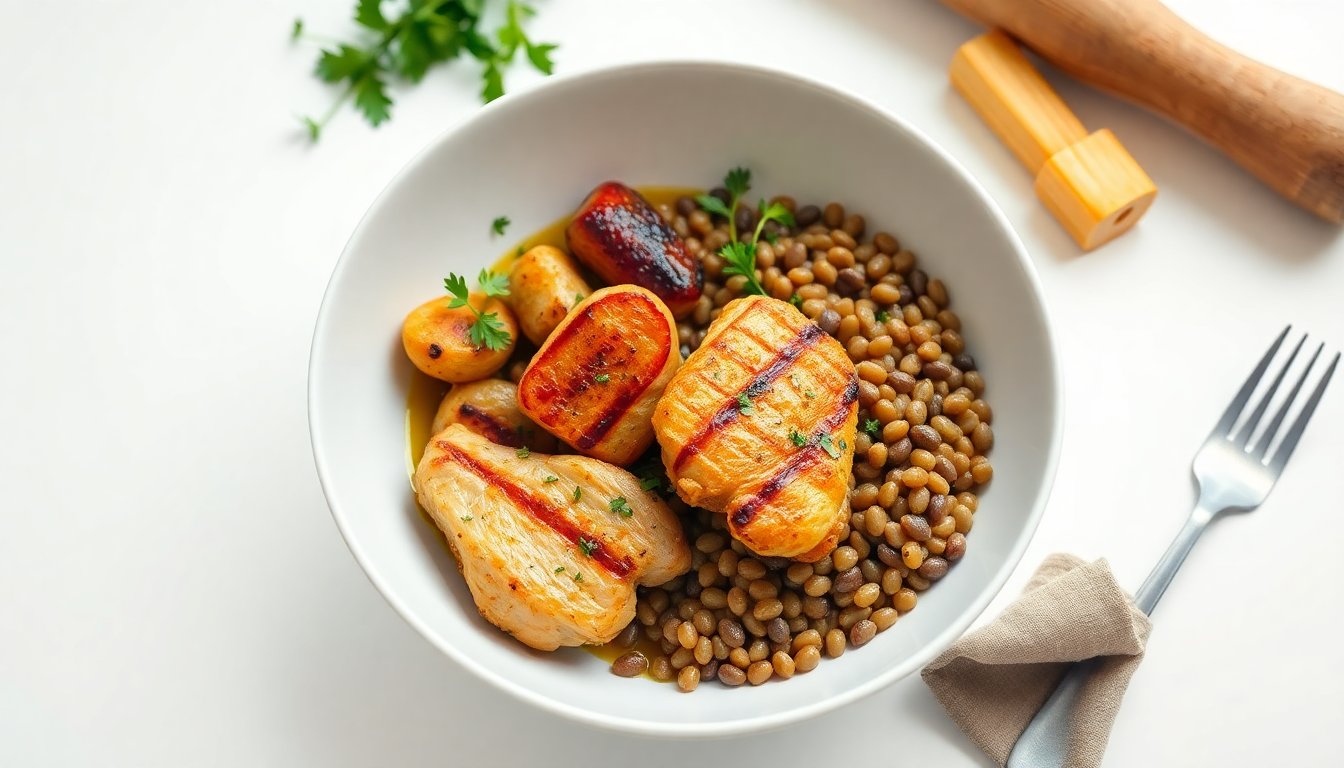
The target for PCOS women doing intermittent fasting: 130–140g protein per day across two meals. That means roughly 60–70g per meal — which sounds daunting but is achievable with the right meal structure. A meal built around 200g chicken breast, Greek yogurt, and lentils can easily hit that target.
What you can have during the fasting window
Strict fasting means water only. But in practice, the metabolic benefits of intermittent fasting come from keeping insulin low — and not everything breaks insulin.
- Water — unlimited, and important. Many women who feel bad while fasting are simply under-hydrated.
- Black coffee — does not break a fast in the insulin-signalling sense, though it does cause a small cortisol release. Fine in the morning, avoid after noon if you're sensitive to caffeine (particularly relevant for lean PCOS with an adrenal component).
- Plain green tea or spearmint tea — both are worth including. Green tea improves insulin sensitivity via EGCG. Spearmint tea has two randomised controlled trials showing reductions in free testosterone in women with hirsutism or PCOS who drank two cups daily.23
- Black tea, herbal teas without added sugar — fine.
What breaks a fast: anything with calories, particularly carbohydrates and protein (which trigger insulin). A splash of milk in coffee technically breaks a fast, though the effect is small. Bulletproof coffee (coffee with butter/MCT oil) is a grey area — it causes minimal insulin response but does provide calories.
The potential downsides of intermittent fasting for some PCOS women
Intermittent fasting is not universally beneficial for PCOS. There are two situations where it requires particular caution:
High cortisol / adrenal-driven PCOS
Some PCOS women, particularly lean PCOS with elevated DHEA-S, have a primarily adrenal component — their hormonal disruption comes more from cortisol and adrenal androgen excess than from insulin resistance. Extended fasting raises cortisol. If you notice increased anxiety, poor sleep, worsening fatigue, or irregular cycles after starting intermittent fasting, it may be aggravating rather than helping your specific hormonal pattern. In this case, a shorter fasting window (14:10) or no fasting is often preferable.
A history of disordered eating
Intermittent fasting is a structured restriction pattern, and for women with any history of disordered eating or eating disorder, it can reinforce unhelpful relationships with food and hunger. If this applies to you, please discuss dietary changes with a healthcare provider before starting any fasting protocol.
Lean PCOS and fasting: special considerations
Most of the intermittent fasting and PCOS research has been conducted on women with overweight or obesity-associated insulin resistance. The evidence base for lean PCOS — normal BMI, primarily adrenal-driven androgen excess, elevated DHEA-S — is thinner and the picture is more nuanced.
Lean PCOS often has a stronger cortisol and HPA axis component than classic PCOS. Extended fasting raises cortisol — particularly when combined with exercise in a fasted state or when overall caloric intake is low. For lean PCOS women who already have elevated cortisol or DHEA-S, a long fasting window can make symptoms worse rather than better.
The indicators that fasting is aggravating lean PCOS:
- Increased anxiety or feeling "wired" during the fasting period
- Worsening sleep quality — particularly difficulty falling asleep or early waking
- Increased acne or oily skin after starting IF
- Cycles becoming more irregular (or remaining irregular when diet otherwise improved)
- Strong hunger and irritability during the fast that doesn't improve after 2–3 weeks
If you identify as having lean PCOS (or suspect it from your symptom pattern), a 14:10 eating window is worth trying before 16:8. The shorter fast still provides some insulin-lowering benefit without the same cortisol burden. For some lean PCOS women, simply improving meal quality and protein intake without any fasting window is the better intervention.
How to break your fast the right way for PCOS
How you break your fast matters nearly as much as the fast itself. The first meal of your eating window sets the metabolic tone for the rest of the day — particularly for insulin and subsequent appetite.
What to eat first
The ideal fast-breaking meal leads with a large protein source — 40–50g of protein. Not a small snack, not fruit, not a smoothie. A substantial first meal with protein (and fat) from the start. This serves two purposes: it sets a stable insulin baseline for the eating window, and it begins the process of reaching your daily protein target (130–140g) in the reduced eating time available.
Examples of ideal fast-breaking first meals for PCOS:
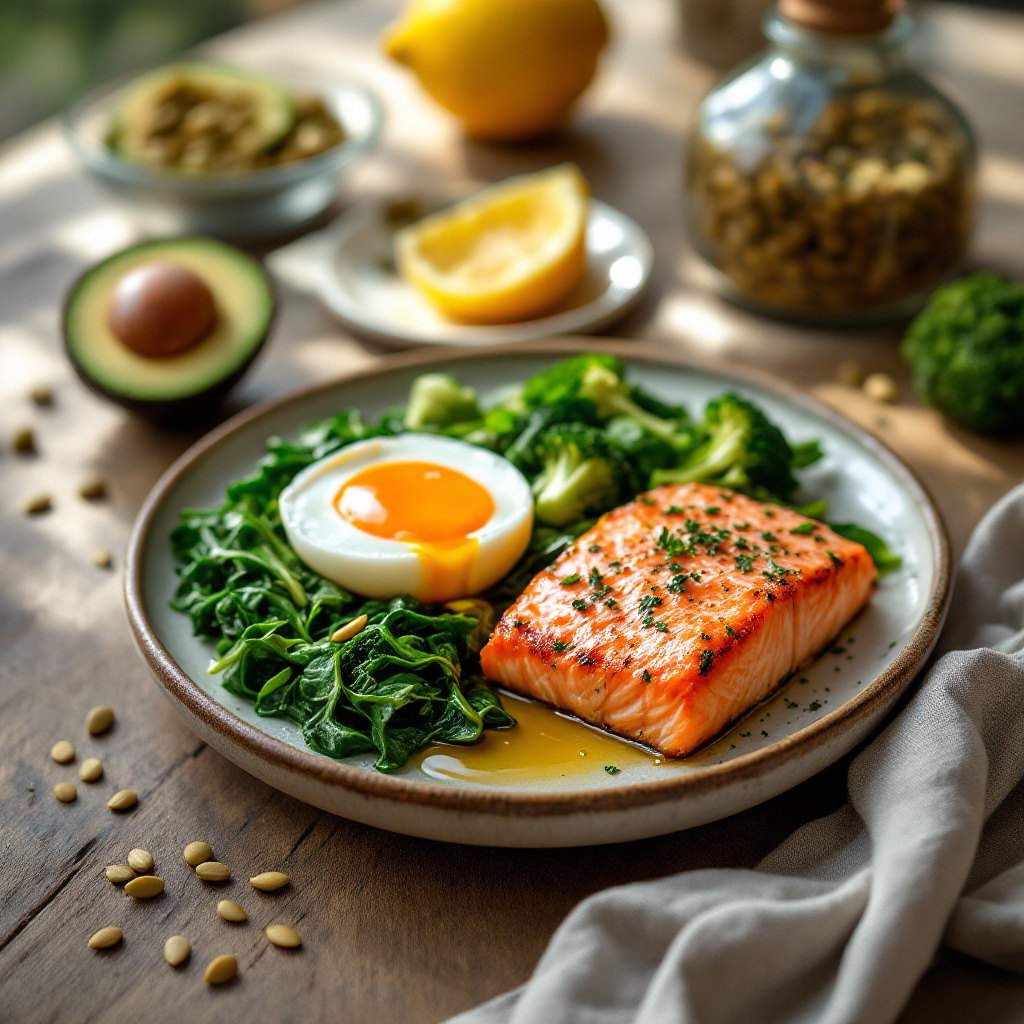
- Smoked salmon and egg scramble with avocado and spinach (~38–45g protein)
- Ground turkey and egg breakfast skillet with greens and avocado (~42g protein)
- Greek yogurt power bowl — 300g Greek yogurt, egg whites, chia seeds, almond butter (~40g protein)
- Chicken and avocado bowl with leafy greens (~40g protein)
What to avoid as a first meal
Fruit alone, a smoothie, or a small snack are common first meal choices that work against the goals of PCOS fasting. After a 16–18 hour fast, your cells are sensitive to insulin in a good way — and eating high-GI food first (fruit juice, banana, cereal) spikes glucose and insulin right at the moment when you have maximum insulin receptor sensitivity to exploit. Lead with protein and fat instead, and let carbohydrates come with or after them.
Timing within the eating window
Eat your first meal within 30–60 minutes of breaking the fast. Don't extend the fast by snacking slowly into food — a clear break is better for insulin dynamics than a gradual transition. Your second main meal should follow 4–6 hours later. If you have a snack (Greek yogurt, hard-boiled eggs, cottage cheese), position it between the two meals rather than at the very end of your eating window, where it's too close to the fasting period resuming to serve any useful purpose.
3 PCOS breakfast recipes to break your fast
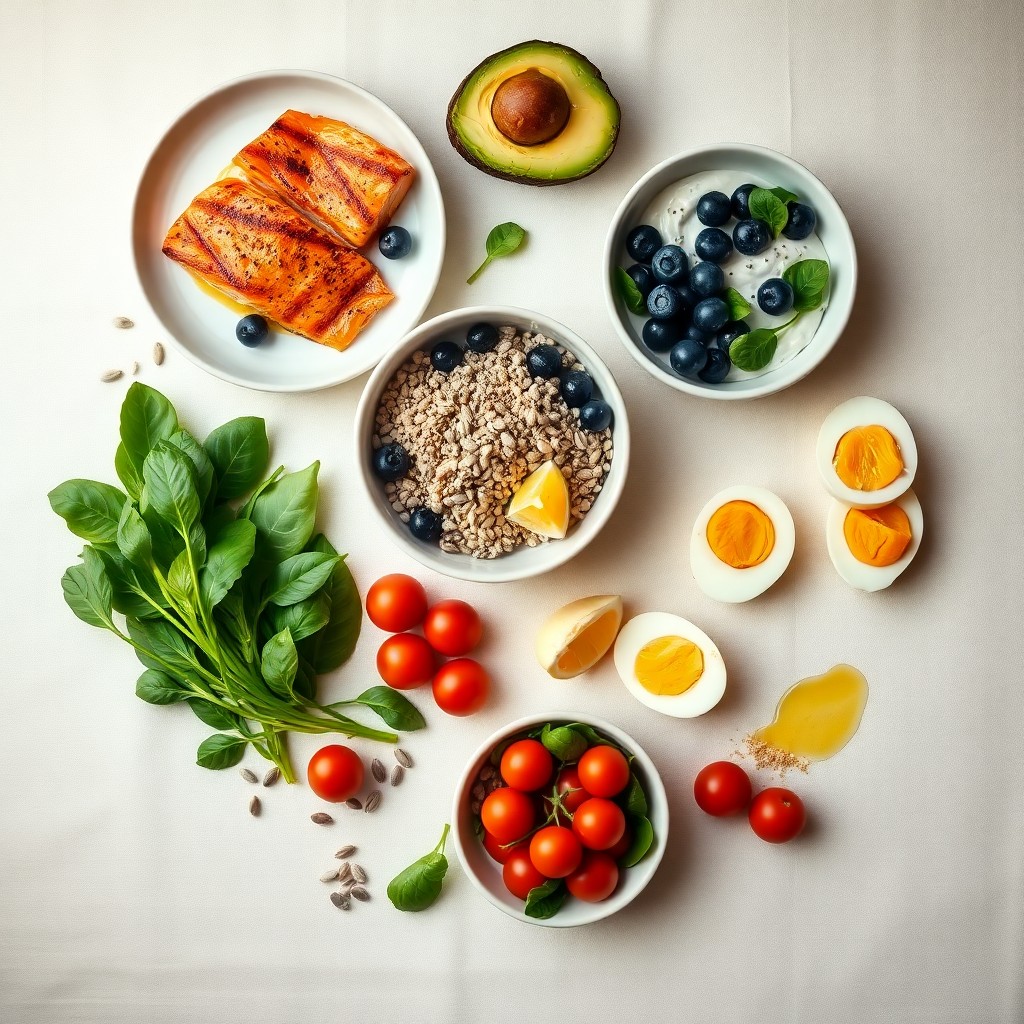
These three first-meal options are built around the same principle: high protein, healthy fat, and fibre before any carbohydrates. Each takes under 15 minutes and provides enough protein to set a stable insulin baseline for the rest of your eating window.
1. Smoked salmon and egg scramble
Why it works: Salmon provides omega-3s that actively reduce PCOS-related inflammation, while eggs add choline — a nutrient most PCOS women are low in. This combination keeps you full for 4–5 hours without a mid-afternoon crash.
- 3 large eggs + 2 egg whites, scrambled
- 90g smoked salmon, broken into pieces
- — avocado, sliced
- Large handful baby spinach, wilted in the pan
- 1 tsp olive oil, salt, black pepper
Macros: ~42g protein — ~18g fat — ~520 kcal
2. Greek yogurt power bowl
Why it works: 300g of full-fat Greek yogurt alone delivers approximately 24–27g protein and probiotics that support the gut-hormone axis — increasingly recognised as important in PCOS. The almond butter adds fat to slow glucose absorption from the small amount of carbohydrate present.
- 300g full-fat Greek yogurt (plain)
- 3 tbsp egg whites, stirred in to boost protein
- 1 tbsp almond butter
- 1 tbsp chia seeds
- Small handful of blueberries (low-GI, after the protein and fat)
Macros: ~40g protein — ~16g fat — ~480 kcal
3. Turkey and egg breakfast skillet
Why it works: Ground turkey is a lean, complete protein with no saturated fat to compete with olive oil's anti-inflammatory properties. Cooking it with eggs and courgette means you reach approximately 38–42g protein in a single pan, no prep required beyond chopping.
- 120g lean ground turkey, cooked until browned
- 2 large eggs, cracked in and scrambled with the turkey
- — courgette, diced
- — red pepper, diced
- 1 tsp olive oil, pinch of cumin and paprika
Macros: ~40g protein — ~14g fat — ~510 kcal
Not sure which fasting window suits your PCOS type? HerMeal's AI builds a personalised 5-day meal plan around your specific fasting schedule — including exactly what to eat to break your fast, how much protein you need daily, and meals matched to your PCOS pattern. Generate your free plan in minutes
How to build meals for intermittent fasting with PCOS
The meal structure that works best for PCOS intermittent fasting: two meals that together hit your calorie and protein targets, following the Protein-Fat-Fibre rule at each one — protein source first, healthy fat included, fibre-rich vegetables or legumes alongside. No carbohydrates appear in isolation.
A practical day on 16:8 (eating noon to 8pm):
- Noon: Smoked salmon and egg scramble with avocado and spinach (~38g protein, ~600–700kcal)
- 6:30pm: Chicken and lentil skillet with broccoli and olive oil (~45g protein, ~650–750kcal)
That's 83g protein from two meals — you'd add Greek yogurt, cottage cheese, or protein powder to reach 130–140g. Including these as snacks within your eating window is perfectly reasonable.
What intermittent fasting actually changes for PCOS — and what it doesn't
References
- Floyd R, et al. (2022). The effect of time-restricted eating on insulin levels and insulin sensitivity in patients with polycystic ovarian syndrome. International Journal of Endocrinology. Full text ↗
- Akdogan M, et al. (2007). Effect of spearmint (Mentha spicata Labiatae) teas on androgen levels in women with hirsutism. Phytotherapy Research, 21(5):444–447. PubMed ↗
- Grant P. (2010). Spearmint herbal tea has significant anti-androgen effects in polycystic ovarian syndrome. Phytotherapy Research, 24(2):186–188. PubMed ↗
Intermittent fasting helps PCOS women when it's done with attention to protein intake and to the specific type of PCOS pattern you're managing. It's not a standalone intervention — the quality of what you eat during your eating window matters as much as the timing. Women who use IF without increasing protein and without reducing high-GI carbohydrates often see minimal benefit because the root insulin problem isn't being addressed.
Done well — with high-protein meals, low-GI carbohydrates, and a fasting window matched to your individual hormonal situation — intermittent fasting is one of the more evidence-supported dietary tools for PCOS. As with any significant dietary change, it's worth discussing with your doctor or dietitian, particularly if you're on medication or managing conditions alongside PCOS. If you're trying to conceive, consult your doctor before following restrictive eating patterns, as these may affect fertility.
Sample day on 16:8 (eating noon to 8pm)
Want a full personalised 5-day plan like this? Generate yours free
Frequently asked questions
Get a meal plan built around your fasting window
HerMeal builds your full 5-day PCOS & PMOS plan around your specific fasting window — 16:8, 18:6, or 20:4. Every meal timed and macro-optimised for your profile.
Start free trialGet Your Custom PCOS Meal Plan in Minutes
Personalised protein targets, low-GI meal plans, auto-generated grocery lists, and AI meal swaps — built around your PCOS profile.
Start Your Free 7-Day Trial