What to Eat with PCOS and Insulin Resistance: A Practical Guide
How to interrupt the insulin-androgen cycle through diet — specific foods, protein targets, and meal structure that makes a measurable difference.
If you have PCOS, there's a good chance insulin resistance is at the centre of what you're dealing with — even if your doctor hasn't made that explicit. Most PCOS symptoms, from weight gain around the abdomen to irregular cycles to the relentless hunger and fatigue, trace back to the same root: your cells aren't responding normally to insulin. The right PCOS insulin resistance diet doesn't cure this, but it changes the conditions under which it operates — and for many women, that makes an enormous practical difference.
🔑 Key takeaways
- Insulin resistance drives most PCOS symptoms — diet is one of the few tools that can interrupt this cycle
- Protein (130–140g/day) is the most evidence-backed dietary intervention; aim for 35–45g per meal
- High-GI carbohydrates cause the insulin surges that drive androgen production — specific food choices matter
- Meal structure (Protein-Fat-Fibre at every meal, carbs never alone) matters as much as individual food choices
Contents
- What insulin resistance actually means for PCOS
- The foods that help
- Specific foods with evidence
- How to structure meals
- Glycaemic index and glycaemic load explained
- Key supplements for PCOS insulin resistance
- Exercise: the non-negotiable partner to diet
- How sleep and stress affect insulin resistance
- What about very low-carb diets?
- Where to start
- Frequently asked questions
What insulin resistance actually means for PCOS
When you eat carbohydrates, blood glucose rises and your pancreas releases insulin to move that glucose into cells for energy. In insulin-resistant women with PCOS, cells don't respond as well to that signal. The pancreas compensates by producing even more insulin — often two to three times the normal amount.
That excess insulin does several damaging things in PCOS: it stimulates the ovaries to produce more androgens (testosterone and DHEA), it suppresses SHBG (sex hormone binding globulin, which normally keeps androgens in check), and it drives fat storage — particularly around the abdomen, which is a key site of insulin resistance itself.
This is a feedback loop. High insulin more androgens more insulin resistance more insulin. Diet is one of the few levers that can interrupt this cycle, which is why a well-designed PCOS insulin resistance diet is taken seriously by most endocrinologists and dietitians working in this area.
The foods that help: what to eat with PCOS and insulin resistance
The core principle of eating for PCOS insulin resistance is simple: reduce the glucose and insulin response from meals, while keeping nutrition high. In practice, this means three things — low-GI carbohydrates in controlled amounts, high protein at every meal, and adequate healthy fats.
Protein (target: 130–150g per day, scaled to body weight)
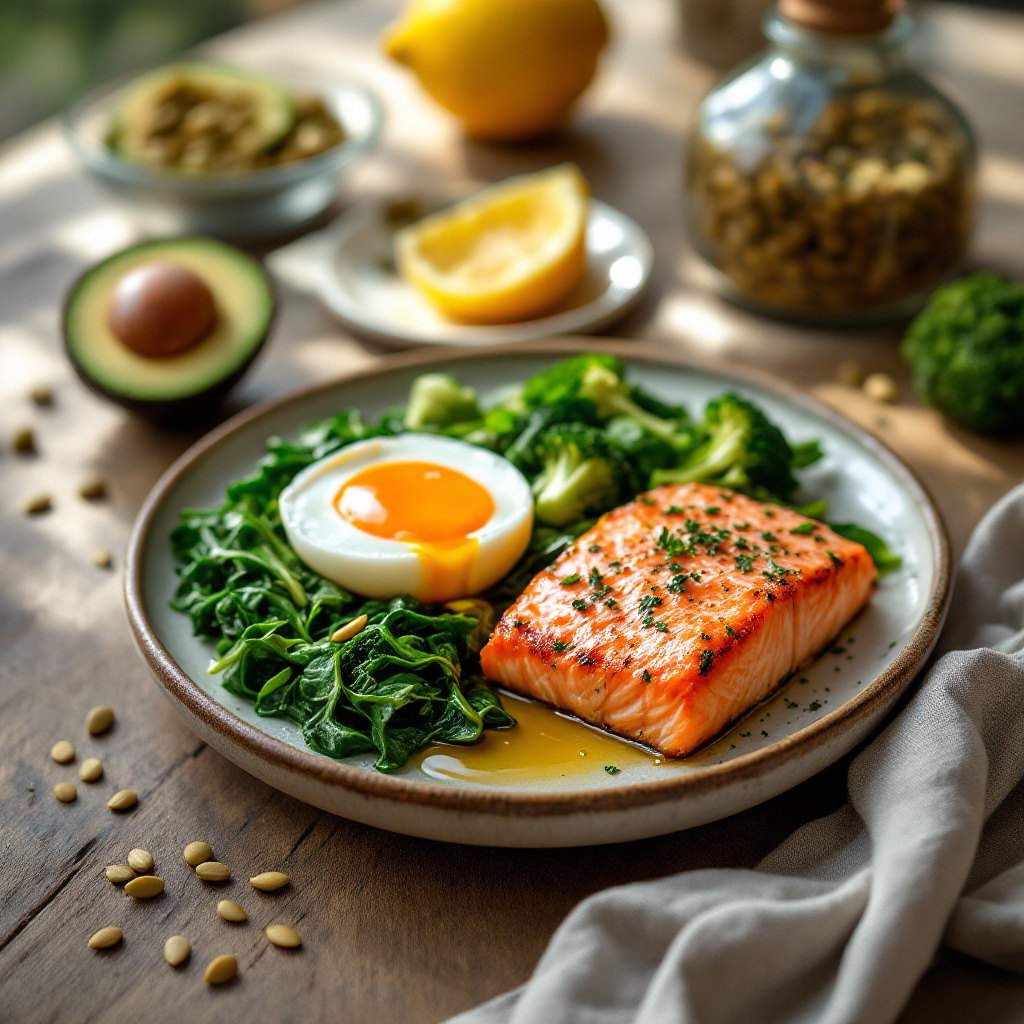
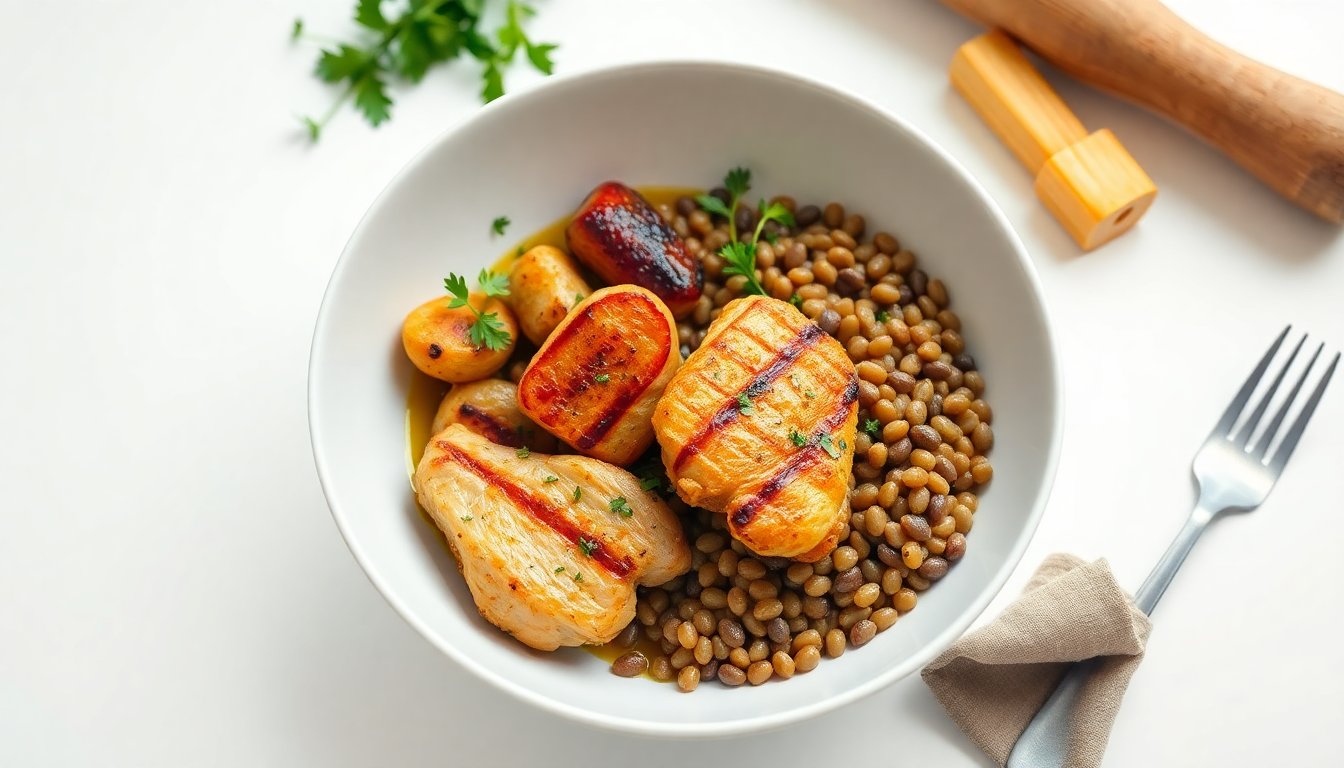
High protein intake is probably the most evidence-backed dietary intervention for PCOS. It blunts post-meal glucose spikes, maintains satiety, supports muscle mass (critical because muscle is your primary insulin-sensitive tissue), and improves the hormonal environment. The key sources: chicken breast, turkey, eggs, Greek yogurt, cottage cheese, salmon, sardines, lean beef, and lentils. As a general guide, research suggests aiming for 30–45g of protein at each meal.
Low-GI carbohydrates (significantly reducing refined carbs)
Not all carbohydrates are equal. The ones that cause minimal glucose disruption — lentils, chickpeas, black beans, non-starchy vegetables, small amounts of sweet potato and quinoa — are the ones that belong in a PCOS insulin resistance diet. The ones that cause rapid spikes and are worth avoiding: white rice, white bread, pasta, corn, potato, and any added sugar. Many women with PCOS find that significantly reducing refined carbs — aiming for under 50–100g net carbs works well for many, though the right level varies by individual.
Healthy fats (at every meal)
Fat slows gastric emptying and blunts glucose absorption. Including avocado, olive oil, eggs, nuts, and fatty fish at every meal is part of what keeps blood sugar stable after eating. Olive oil deserves particular mention — its oleocanthal compound has anti-inflammatory properties similar to low-dose ibuprofen, relevant because chronic inflammation is part of the PCOS picture.
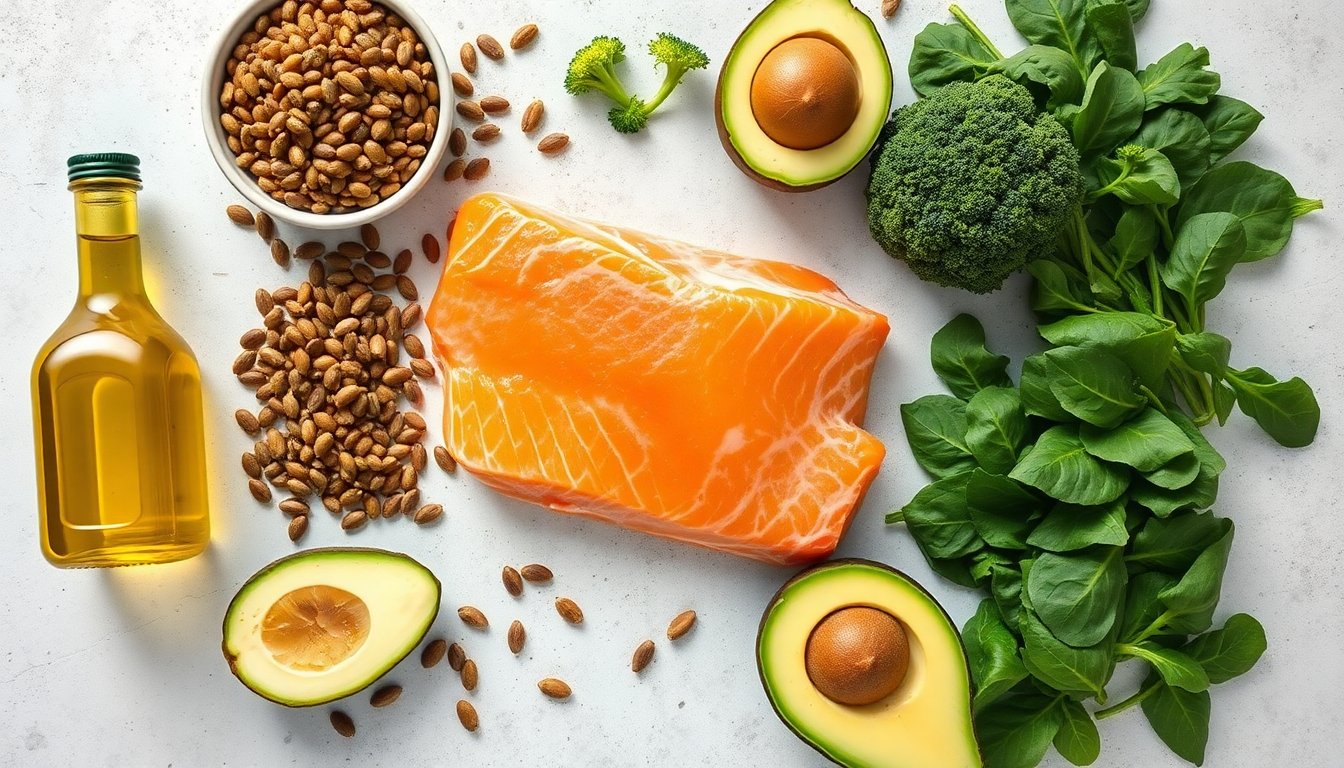
✅ PCOS & PMOS-friendly foods
- Chicken breast, turkey, lean beef
- Eggs and egg whites
- Greek yogurt (plain, 2%)
- Salmon, sardines, mackerel
- Lentils, chickpeas, black beans
- Broccoli, spinach, kale, zucchini
- Avocado, olive oil
- Almonds, pumpkin seeds
❌ Foods that worsen PCOS & PMOS
- White rice, white bread, pasta
- Corn and potato (in quantity)
- Fruit juice and smoothies
- Added sugar in any form
- Low-fat flavoured yogurts
- Breakfast cereals and granola
- Soda, sports drinks
- Deep-fried foods and packaged snacks
Specific foods with evidence for PCOS insulin resistance
Beyond the general framework, a few foods have specific evidence for improving the insulin-PCOS connection:
Lentils and chickpeas — rich in myo-inositol, one of the most studied compounds for PCOS. Research on myo-inositol supplementation shows it directly improves insulin receptor signalling and reduces insulin resistance (HOMA-IR) in women with PCOS.1 They're also rich in soluble fibre, which slows glucose absorption, and are protein-dense compared to most plant foods.
Cinnamon — adds more than flavour. Some research suggests cinnamon may help improve insulin sensitivity, though the evidence is still emerging.2 Use it generously in any meal where the flavour works — Greek yogurt, overnight oats, curries.
Apple cider vinegar — acetic acid has been shown in healthy subjects to slow gastric emptying and reduce the post-meal glucose rise; direct evidence in PCOS populations is limited.3 Using it as a salad dressing base (with olive oil) is the most practical way to include it consistently.
Fatty fish (salmon, sardines, mackerel) — omega-3 fatty acids suppress the inflammatory cytokines chronically elevated in PCOS (TNF-alpha, IL-6, CRP) and improve adiponectin — a hormone directly involved in fat metabolism that's often low in PCOS women. Aim for 3–4 times per week.
Ground flaxseed — one tablespoon per day provides SDG lignans that bind to androgen receptors and reduce the impact of excess testosterone. It's also a practical source of omega-3s and soluble fibre.
How to structure meals for PCOS insulin resistance
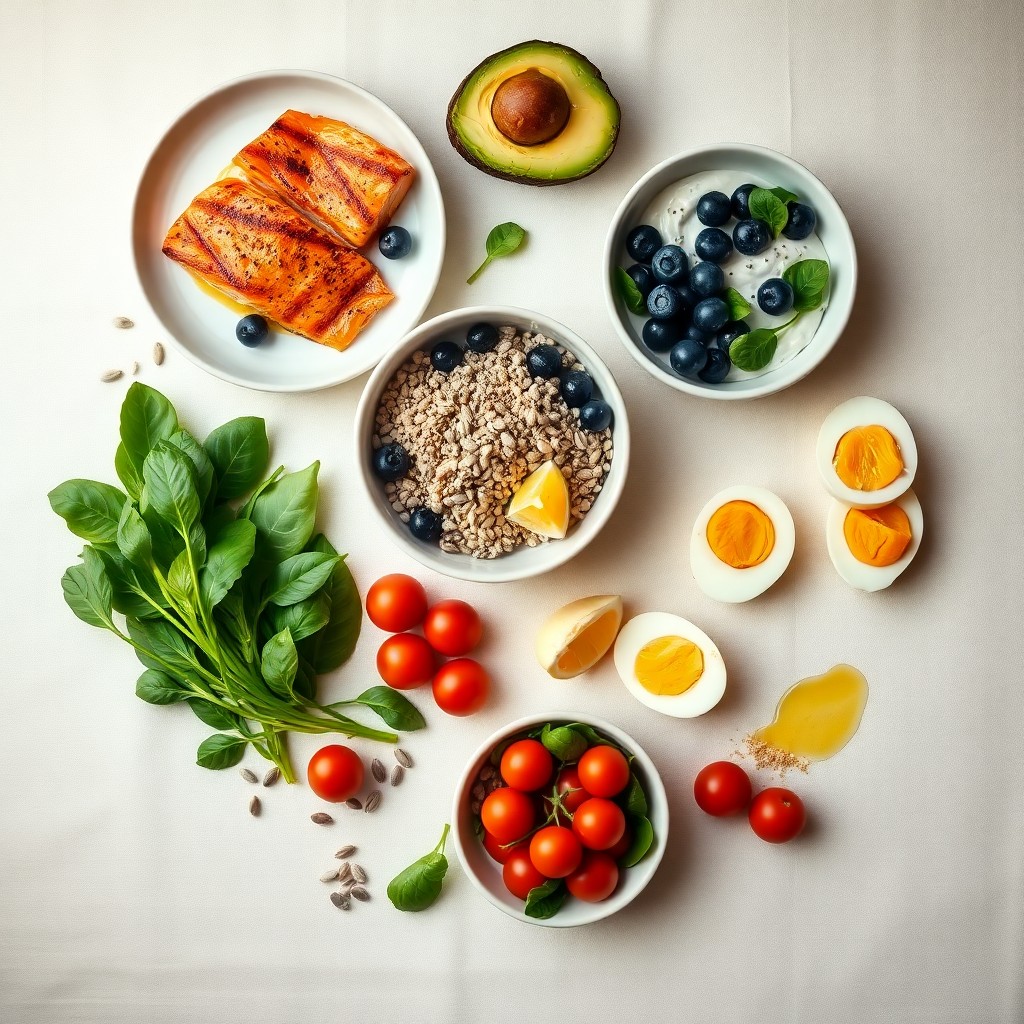
Individual food choices matter less than the structure of each meal. The Protein-Fat-Fibre (PFF) rule is the most practical framework: every meal should lead with a substantial protein source, include a healthy fat, and pair with fibre-rich vegetables or legumes. Carbohydrates never appear alone — they always come with protein and fat alongside, which prevents the glucose spike and insulin surge.
A practical example: instead of a bowl of oats with fruit, have Greek yogurt with protein powder, chia seeds, and a small amount of berries. Instead of pasta with tomato sauce, have lentil and turkey bolognese with courgette noodles. The carbohydrate isn't removed — it's repositioned within a meal that prevents the glucose response.
Glycaemic index and glycaemic load: what actually matters for PCOS
The glycaemic index (GI) rates how quickly a carbohydrate food raises blood glucose on a 0–100 scale. But GI has a limitation: it doesn't account for portion size. That's where glycaemic load (GL) is more useful — it multiplies the GI by the grams of carbohydrate in a typical serving. For PCOS, GL is the more practical number because it reflects what actually happens when you eat a real portion of food.
Watermelon has a GI of 76 (high), but a 200g slice has a GL of only 8 (low) because it contains relatively little carbohydrate per serving. Conversely, a large bowl of even "moderate GI" oats can have a high GL that spikes insulin significantly. Portion size and meal context are always the controlling factors.
| Food | GI | Typical serving | GL per serving | PCOS impact |
|---|---|---|---|---|
| White bread (2 slices) | 75 | 60g | 22 | High — avoid |
| White rice (1 cup cooked) | 72 | 185g | 35 | Very high — avoid |
| Rolled oats (½ cup dry) | 55 | 40g | 13 | Moderate — OK with protein |
| Sweet potato, boiled (1 medium) | 44 | 150g | 11 | Good — PCOS-friendly carb (boiled; baked GI is higher) |
| Quinoa (1 cup cooked) | 53 | 185g | 18 | Good — has protein too |
| Lentils (1 cup cooked) | 32 | 200g | 13 | Excellent — low GL, high protein |
| Chickpeas (1 cup cooked) | 28 | 200g | 8 | Excellent — low GL, high protein |
| Banana (1 medium) | 51 | 120g | 13 | Moderate — eat with protein |
| Blueberries (1 cup) | 40 | 148g | 6 | Excellent — ideal fruit choice |
Key supplements for PCOS insulin resistance
Diet is the foundation, but several supplements have specific evidence for improving insulin signalling in PCOS. These are additions to dietary changes — not substitutes for them. Discuss with your doctor before starting, especially if you're taking medication.
Myo-inositol (2–4g per day)
The most researched supplement for PCOS insulin resistance. Myo-inositol is a second messenger in the insulin signalling cascade — when cells are insulin-resistant, inositol availability is often depleted. Multiple randomised controlled trials show supplementation reduces fasting insulin, lowers HOMA-IR, and improves cycle regularity within 3–6 months. The 40:1 ratio of myo-inositol to D-chiro-inositol is the most studied and appears most effective. Naturally found in lentils and chickpeas, but therapeutic doses require supplementation.
Berberine (500mg two to three times per day with meals)
A plant alkaloid that activates AMPK — the same cellular energy-sensing pathway that metformin targets. Several head-to-head trials in PCOS women show berberine comparable to metformin for reducing fasting insulin and HOMA-IR, with a similar or better side effect profile for some women. It also improves the gut microbiome composition, which independently affects insulin sensitivity. Not appropriate for everyone — particularly avoid if pregnant, or taking cyclosporine or blood thinners.
Magnesium (300–400mg per day)
Magnesium is a cofactor in over 300 enzymatic reactions — many of which are involved directly in insulin signalling and glucose uptake. Studies consistently find that PCOS women have lower serum magnesium than controls, and that magnesium supplementation reduces fasting glucose and improves insulin sensitivity. Take as magnesium glycinate or malate (not oxide, which has poor bioavailability and causes digestive issues). See our magnesium for PCOS guide for detailed dosing.
Vitamin D (2,000–4,000 IU per day)
Vitamin D receptors are present on insulin-secreting pancreatic beta cells and in muscle tissue. Deficiency — extremely common in PCOS — directly impairs insulin secretion and peripheral insulin sensitivity. Supplementing to bring levels into the optimal range (75–100 nmol/L) is one of the more straightforward interventions with consistent evidence. Test before supplementing; the dose needed varies significantly by baseline level.
Alpha-lipoic acid (600mg per day)
An antioxidant that improves insulin-stimulated glucose uptake in muscle cells. Several trials in PCOS women show ALA reduces fasting insulin, lowers testosterone, and reduces oxidative stress markers. Less researched than myo-inositol and berberine, but the evidence is encouraging and it's generally well-tolerated. Take with food for best absorption.
Exercise: the non-negotiable partner to diet
Dietary changes and exercise together produce significantly larger improvements in insulin resistance than diet alone. The reason is physiological: skeletal muscle is your body's primary insulin-sensitive tissue. More muscle mass means more tissue capable of taking up glucose in response to insulin — reducing the burden on the pancreas and lowering the baseline insulin level your body needs to maintain glucose control.
Resistance training (2–4 sessions per week)
Building and maintaining muscle is the most durable investment in insulin sensitivity for PCOS women. It doesn't require heavy lifting — progressive bodyweight training, resistance bands, or gym machines all stimulate the muscle adaptation that improves insulin signalling. Even two sessions per week of full-body resistance training produces measurable improvements in HOMA-IR within 6–8 weeks. Three to four sessions is where the research shows the largest effects.
Post-meal walking (10 minutes after eating)
One of the most underutilised and evidence-backed interventions for PCOS insulin resistance. A 10-minute walk within 30 minutes of finishing a meal can reduce the post-meal glucose spike by 10–25% by driving glucose into working muscle without requiring insulin. This doesn't feel like exercise — but metabolically, it's one of the most impactful things a PCOS woman can do consistently.
HIIT (1–2 sessions per week)
High-intensity interval training drives meaningful adaptations in insulin sensitivity through a different mechanism than resistance training — it depletes muscle glycogen rapidly, creating a glucose uptake demand that improves insulin signalling for up to 24–48 hours post-session. It's time-efficient (20 minutes is enough) but taxing on the nervous system and cortisol response, so more than two sessions per week can worsen the stress picture in PCOS women.
How sleep and stress affect insulin resistance in PCOS
Diet and exercise alone will not fully resolve PCOS insulin resistance if sleep and stress remain unaddressed. Both directly impair insulin sensitivity through cortisol and inflammatory pathways — and PCOS women are disproportionately affected by both.
Sleep deprivation
Even a single night of poor sleep (under 6 hours) measurably reduces insulin sensitivity in healthy people. In PCOS, where insulin sensitivity is already compromised, chronic sleep restriction amplifies the problem significantly. Sleep is also when growth hormone is released — which counters insulin resistance and supports fat metabolism. Poor sleep disrupts the 24-hour cortisol rhythm, leading to higher morning cortisol and a more insulin-resistant state throughout the day.
Practical targets: 7–9 hours per night, consistent sleep and wake times (including weekends), and a cool, dark environment. Reducing blue light exposure in the evening and avoiding caffeine after 1pm are the two changes with the most consistent support for improving sleep quality.
Chronic stress and cortisol
Cortisol is directly counter-regulatory to insulin. It signals the liver to release stored glucose (glycogenolysis) and to produce new glucose from protein (gluconeogenesis) — keeping blood glucose elevated regardless of what you eat. In PCOS women, who already have impaired insulin signalling, chronically elevated cortisol from psychological stress, over-exercising, or under-eating creates a resistant baseline that dietary changes alone struggle to overcome.
The most practical cortisol-lowering strategies with evidence: magnesium supplementation (as above), consistent moderate exercise rather than extreme sessions, adequate caloric intake (under-eating is itself a cortisol trigger), and structured relaxation practices — even 10 minutes of slow breathing daily has been shown to reduce cortisol. This is not soft advice — it's physiology that directly affects the same hormonal cascade you're trying to manage with diet.
What about carb cycling or very low-carb diets for PCOS?
Ketogenic and very low-carb diets (under 20g net carbs) do show short-term improvements in insulin sensitivity and androgen levels in some PCOS studies. The challenge is sustainability — the restriction required makes it very difficult to maintain long-term for most people, and adherence is the strongest predictor of dietary outcomes.
A moderate low-carb approach — significantly reducing refined carbs, with many women finding under 50–100g net carbs works well, though the right level varies by individual — produces most of the same benefits with much better sustainability. That's what most nutrition professionals working with PCOS women recommend, and what the evidence supports over 6–12 month timescales.
Where to start
You don't need to overhaul everything at once. If you're just starting to address your PCOS insulin resistance diet, two changes produce the largest initial impact: first, increase protein at every meal to at least 35g; second, remove the highest-GI foods (white bread, white rice, juice, added sugar). These two changes alone shift the glucose-insulin environment enough to feel a difference in energy, hunger, and cravings within a week or two.
Dietary changes for PCOS insulin resistance work best as part of a broader plan that includes your doctor or dietitian, particularly if you're taking metformin or other medications that interact with insulin signalling. This article is general guidance — your individual needs may differ. If you're trying to conceive, consult your doctor before following restrictive eating patterns, as these may affect fertility.
References
- Unfer V, et al. (2017). Effects of myo-inositol in women with PCOS: a systematic review of randomized controlled trials. Gynecological Endocrinology. PMC ↗
- Wang JG, Anderson RA, Graham GM 3rd, et al. (2007). The effect of cinnamon extract on insulin resistance parameters in polycystic ovary syndrome: a pilot study. Fertility and Sterility, 88(1):240–243. PubMed ↗
- Liljeberg H, Björck I. (1998). Delayed gastric emptying rate may explain improved glycaemia in healthy subjects to a starchy meal with added vinegar. European Journal of Clinical Nutrition, 52(5):368–371. PubMed ↗
🌿 Sample day on a PCOS insulin resistance diet (3 meals, no fasting window)
Daily totals: ~167g protein · 35g fibre · ~2,230 kcal · No refined carbohydrates · 10-minute post-dinner walk recommended
Want a full personalised 5-day plan like this? Generate yours free
Frequently asked questions
Get a meal plan built around this
Generate your personalised 5-day PCOS & PMOS plan free — high protein, low-GI carbs, hormone-balancing, built around your fasting window and insulin resistance profile.
Start free trial