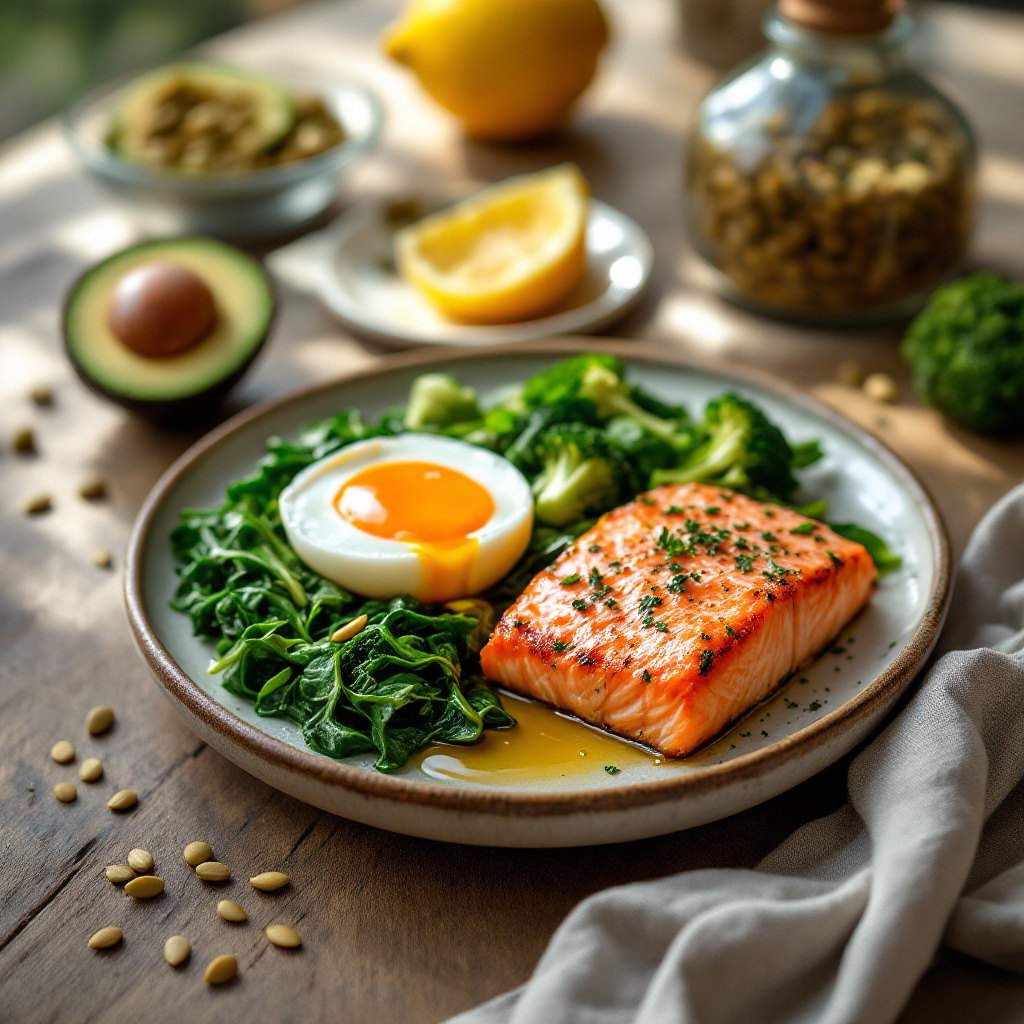
PMOS Meal Plan: What to Eat for Polycystic Metabolic-Ovarian Syndrome
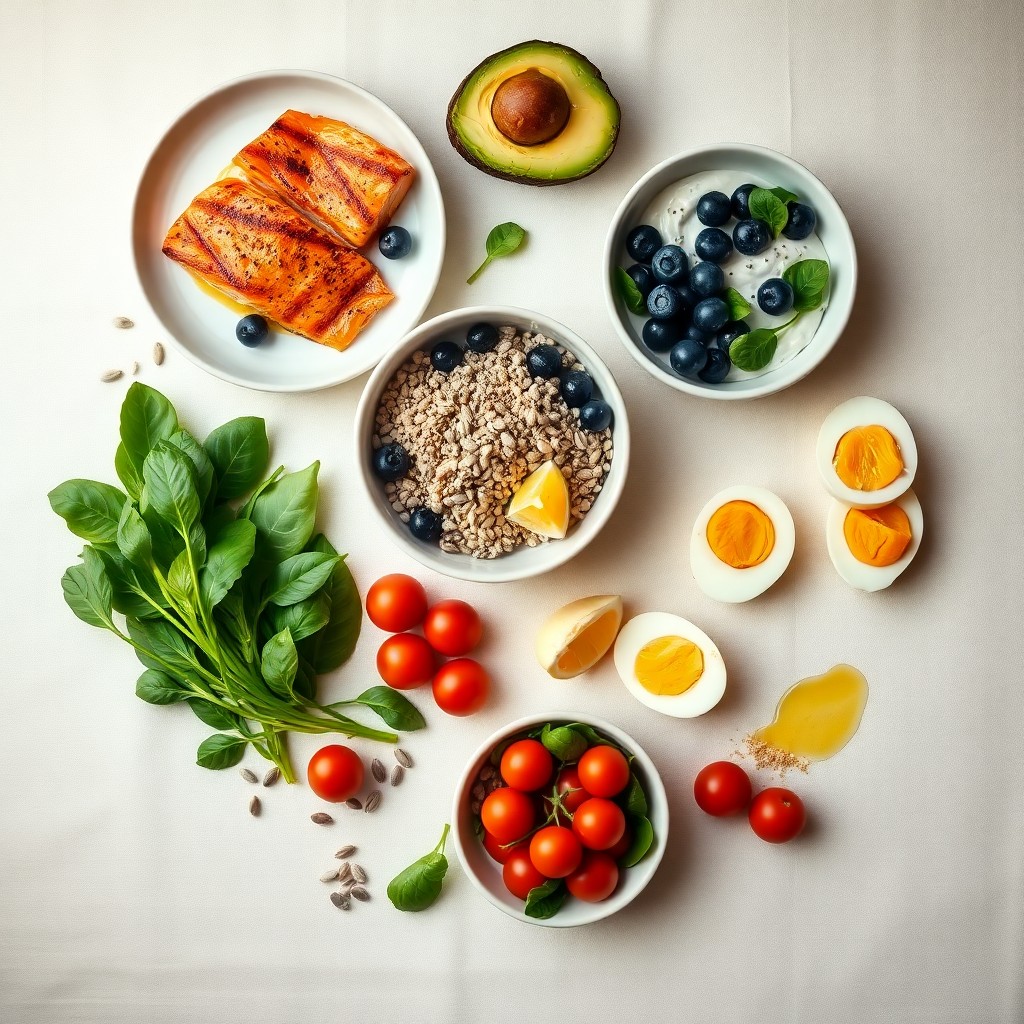
Why generic healthy eating fails PMOS women — and a 5-day meal plan template built around the right protein targets, low-GI carbs, and foods with direct PMOS evidence.
PMOS — Polycystic Metabolic-Ovarian Syndrome — is the updated name for the condition most people still call PCOS. The condition itself hasn't changed. What changed is how we understand it: PMOS is primarily a metabolic condition, not an ovarian one. The ovarian symptoms (irregular cycles, cysts) are downstream effects of insulin resistance and androgen excess, not the root cause. That reframe changes everything about how you should eat for it — and why a generic "healthy eating" plan consistently fails PMOS women.
🔑 Key takeaways
- PMOS is primarily a metabolic condition — diet targets the insulin-androgen cycle directly, not just calories
- Generic low-calorie meal plans don't work for PMOS — the right macros are what matters most
- Protein target is 130–140g/day (35–45g per meal) — the most important single dietary variable for PMOS
- A 5-day rotating plan with batch-cooked proteins is the most sustainable format for long-term PMOS management
Contents
- Why a PMOS meal plan is different
- The nutritional framework
- A sample 5-day PMOS meal plan
- Week 2 variation plan (days 6–10)
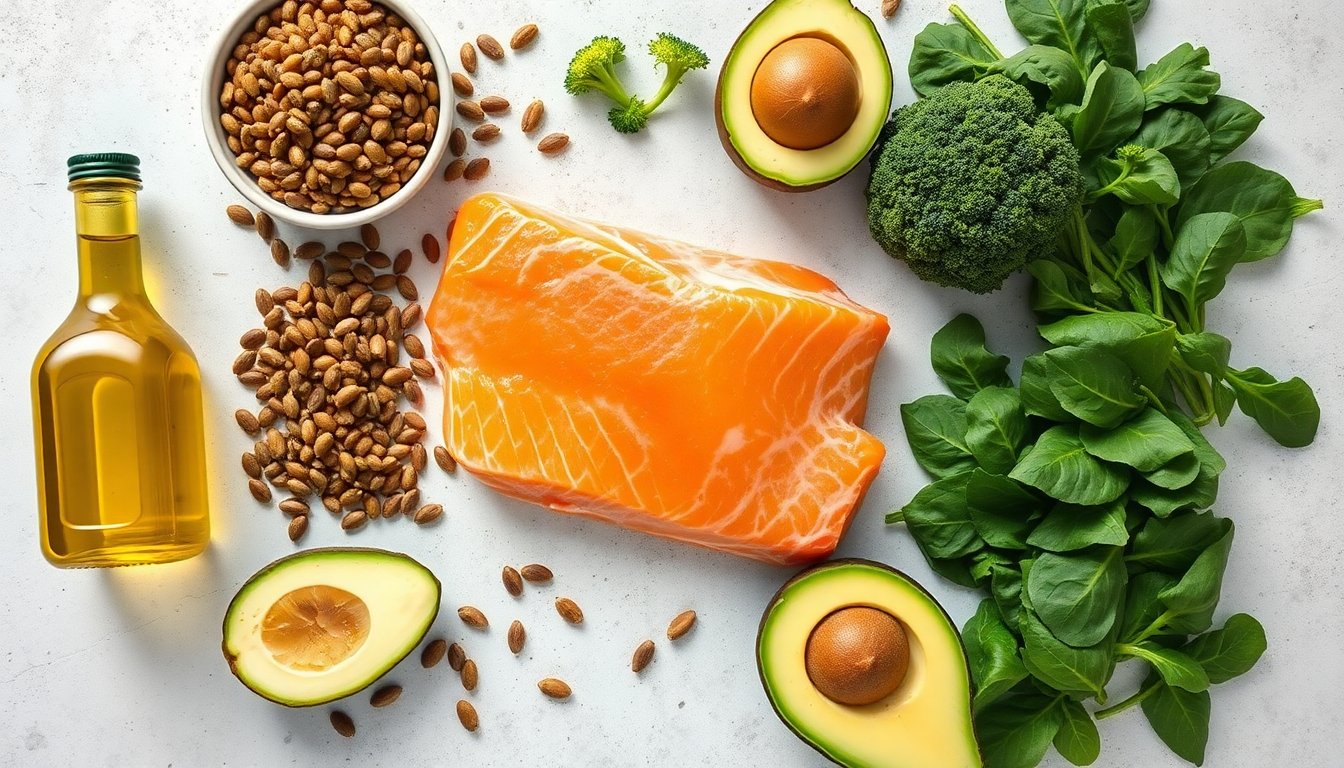
- Foods that support a PMOS meal plan
- Specific foods with evidence for PMOS
- A practical weekly PMOS grocery list
- Fasting windows and PMOS
- Making your plan sustainable
- Frequently asked questions
Why a PMOS meal plan is different from a generic diet
Most meal plans — even the ones marketed as "healthy" — are built around calorie targets. A calorie deficit produces weight loss, the logic goes, and weight loss improves symptoms. For PMOS women, this is incomplete at best and actively counterproductive at worst.
PMOS is driven by two interconnected problems: insulin resistance and elevated androgens (testosterone and DHEA). These two issues reinforce each other. Excess insulin signals the ovaries to produce more testosterone. Elevated testosterone worsens insulin sensitivity. The cycle continues regardless of your calorie intake.
A PMOS meal plan doesn't target calories first — it targets the insulin and androgen cycle directly. The foods that do this are specific: high in protein, low in glycaemic load, rich in fibre and anti-inflammatory fats. A calorie-restricted meal plan built around the wrong foods does nothing for this cycle. A PMOS-specific meal plan built around the right foods — even without aggressive calorie restriction — changes the hormonal environment in ways that matter.
The nutritional framework every PMOS meal plan needs
Protein: 130–140g per day (35–45g per meal)
Protein is the most important macronutrient in a PMOS meal plan. It blunts post-meal glucose spikes by slowing gastric emptying. It triggers GLP-1 and PYY — satiety hormones that reduce the relentless hunger PMOS women deal with. And it supports muscle mass, which is your primary insulin-sensitive tissue — more muscle means better glucose uptake independent of insulin. Research supports aiming for 35–45g of protein per meal, totalling 130–140g across the day.1
Low-GI carbohydrates: under 50g net carbs
Carbohydrates aren't eliminated in a PMOS meal plan — they're chosen carefully. High-GI foods (white bread, white rice, pasta, juice, added sugar) cause rapid blood glucose spikes that trigger excess insulin, which drives androgen production. Low-GI carbohydrates — lentils, chickpeas, non-starchy vegetables, small amounts of sweet potato — provide energy without that spike. Most PMOS women find that keeping net carbs under 50g significantly reduces cravings, energy crashes, and hunger within the first two weeks.
Fibre: 25g+ per day
Fibre slows glucose absorption, feeds the gut bacteria that influence oestrogen metabolism, and supports the liver's detoxification of excess androgens. Ground flaxseed, chia seeds, lentils, broccoli, and leafy greens are the highest-impact sources. Most PMOS women eat a fraction of what they need — hitting 25g+ consistently requires deliberate inclusion at every meal.
Healthy fats at every meal
Fat doesn't cause fat gain — it slows digestion, blunts glucose absorption, and is required for the absorption of fat-soluble vitamins that are commonly depleted in PMOS women (particularly vitamin D). Avocado, olive oil, fatty fish, eggs, and almonds should appear in some form at every meal.
A sample 5-day PMOS meal plan
The following template follows the PMOS nutritional framework — high protein, low-GI carbs, fibre at every meal. Protein counts are approximate. Meal timing shown assumes a 16:8 fasting window (12pm–8pm eating window); adjust if you eat earlier or don't fast.
Want a full personalised 5-day plan like this? Generate yours free →
Week 2 variation plan (days 6–10)
Eating the same 5-day plan on repeat is the fastest way to fall off track. Here's a second week of meals using different proteins and flavour profiles while keeping the same nutritional structure — same protein targets, same low-GI carbohydrate approach, same Protein-Fat-Fibre rule.
Foods that support a PMOS meal plan
✅ PMOS-friendly foods
- Chicken breast, turkey, lean beef
- Eggs and egg whites
- Greek yogurt (plain, 2% or full-fat)
- Cottage cheese (full-fat)
- Salmon, sardines, mackerel
- Lentils, chickpeas, black beans
- Broccoli, spinach, kale, asparagus
- Avocado, olive oil, almonds
- Ground flaxseed, chia seeds, pumpkin seeds
❌ Foods that worsen PMOS
- White rice, white bread, pasta
- Breakfast cereals and granola
- Fruit juice and smoothies
- Added sugar in any form
- Low-fat flavoured yogurts
- Corn and potato in quantity
- Soda and sports drinks
- Deep-fried foods and packaged snacks
A practical weekly PMOS grocery list
The meal plan above runs efficiently on a consistent weekly shop. This list covers 10 days of eating (the two weeks above), covers all the PMOS-priority foods, and is built around ingredients available in any standard supermarket.
Proteins (buy weekly)
- Chicken breast or thighs — 1–1.2kg
- Ground turkey — 500–600g
- Salmon fillets — 3–4 portions (or smoked salmon, 2–3 packs)
- Sardines in olive oil — 3–4 tins (cheap, shelf-stable, keep a stock)
- Canned tuna in water — 3–4 tins
- Eggs — 18 per week minimum
- Plain Greek yogurt (2%) — 1–2 large tubs (900g–1.4kg)
- Full-fat cottage cheese — 500g–1kg
- Lean beef mince — 400–500g
Carbohydrates (buy in bulk, store dried)
- Dried lentils (green or brown) — 500g
- Canned chickpeas — 2–3 tins
- Canned black beans — 1–2 tins
- Quinoa — 500g bag
- Rolled oats — 1kg bag
- Sweet potatoes — 3–4 medium
Vegetables (buy 2x per week for freshness)
- Baby spinach or mixed leafy greens — 2 large bags
- Broccoli — 2 heads
- Zucchini/courgette — 3–4
- Cherry tomatoes — 2 punnets
- Cucumber — 2
- Red capsicum/pepper — 3–4
- Bok choy — 1 bunch (or kale)
- Asparagus — 1–2 bunches
Fats and flavour staples (buy monthly)
- Extra virgin olive oil — large bottle
- Avocados — 4–6 (stagger ripeness)
- Almonds and pumpkin seeds — 500g each
- Ground flaxseed — 400g
- Chia seeds — 400g
- Almond butter (no added sugar)
- Apple cider vinegar
Drink staples
- Spearmint tea bags — box of 20–40 (2 cups daily)
- Green tea bags
- Ground cinnamon
Total weekly spend for a single person following this plan typically runs £60–85 or AUD $100–130 depending on location — protein and fresh produce are the main costs. Buying canned fish in bulk, dried legumes rather than canned, and frozen berries significantly reduces the cost without affecting nutrition.
Specific foods with evidence for PMOS
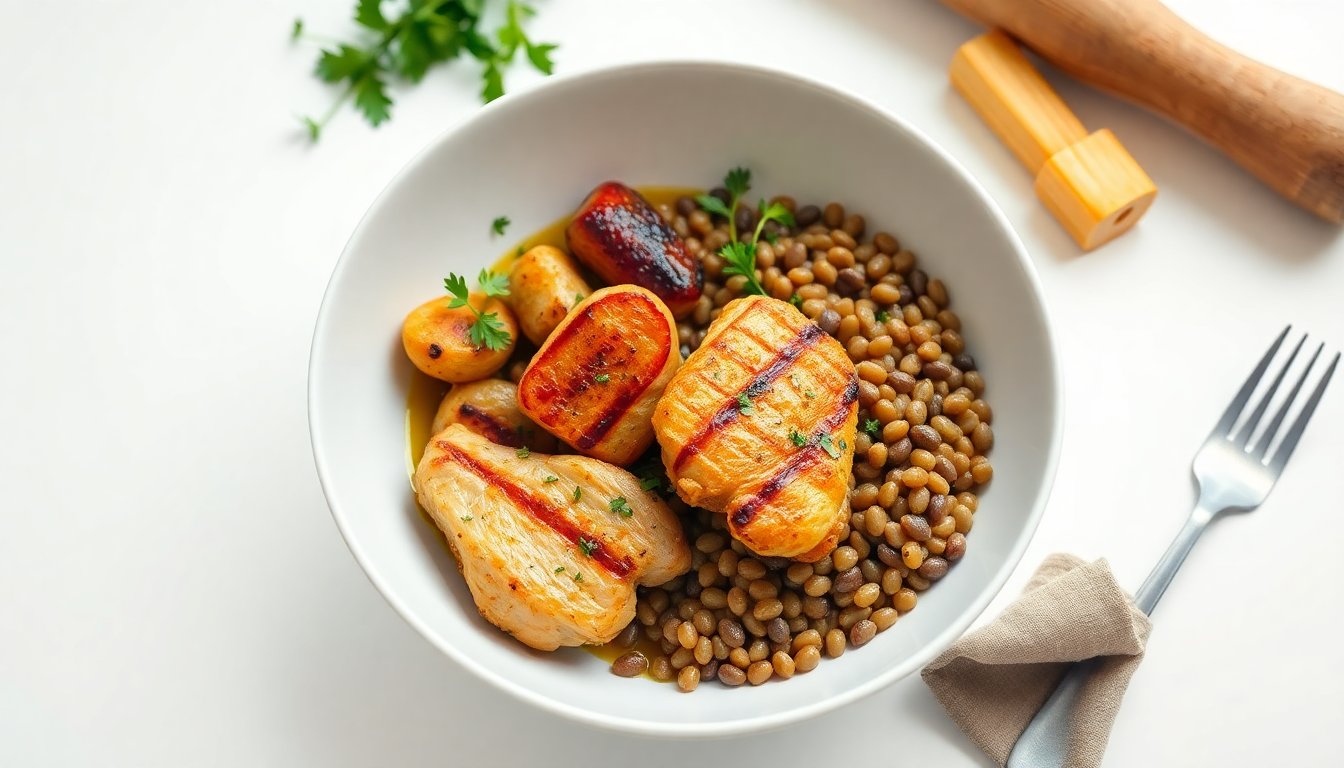
Lentils and chickpeas — naturally rich in myo-inositol, one of the most researched compounds for PCOS/PMOS. Studies consistently show myo-inositol reduces insulin resistance (measured by HOMA-IR) and lowers free androgen levels in women with PCOS.2 Legumes also provide protein, soluble fibre, and a low glycaemic load — making them one of the most useful foods in a PMOS meal plan.
Spearmint tea — two cups per day has been shown in small RCTs to significantly reduce free testosterone in women with PCOS/PMOS, likely through anti-androgen effects at the receptor level.3 It's one of the few dietary interventions with direct evidence for androgen reduction.
Fatty fish (salmon, sardines, mackerel) — omega-3 fatty acids reduce the chronic low-grade inflammation that characterises PMOS (elevated CRP, TNF-alpha, IL-6) and improve adiponectin, a hormone involved in fat metabolism that's often low in PMOS women. Aim for 3–4 servings per week.
Ground flaxseed — SDG lignans bind to androgen receptors and reduce the biological impact of excess testosterone. One tablespoon per day added to yogurt, oats, or smoothies is enough to see benefit. It's also a practical source of omega-3s and soluble fibre.
Fasting windows and a PMOS meal plan
Intermittent fasting — specifically 16:8 (eating within an 8-hour window) — has emerging evidence for improving insulin sensitivity in PMOS women. A 2022 systematic review found that 16:8 time-restricted eating was associated with reduced fasting insulin and improvements in the free androgen index.4
The critical point: fasting only helps when the meals within the eating window are high in protein and low in glycaemic load. Women who fast but eat high-GI meals during their window see minimal benefit because the root insulin problem isn't being addressed. The meal plan above is designed to work with a 16:8, 18:6, or no fasting window — the nutritional structure is what matters most.
For a full breakdown of fasting with PMOS, see our guide to intermittent fasting for PCOS.
Making your PMOS meal plan sustainable week to week
The hardest part of eating for PMOS isn't knowing what to eat — it's building a repeatable system. Three things that make the biggest difference in practice:
- Batch cook one protein source on Sundays — a full tray of chicken thighs, a batch of ground turkey, or hard-boiled eggs. Most of the week's meals become assembly rather than cooking.
- Stock a core set of weekly staples — Greek yogurt, cottage cheese, eggs, smoked salmon, lentils, broccoli, spinach, avocado. These 10 ingredients cover most of the plan above.
- Regenerate your plan monthly — eating the same meals every week works for a while, then people stop. Having fresh meal ideas each month removes the decision fatigue that breaks most diets.
A PMOS meal plan isn't a short-term intervention — it's the baseline for how you eat. The women who see the most consistent improvement in symptoms are the ones who make it manageable enough to maintain for 3–6 months, not the ones who follow it perfectly for two weeks then revert.
This article is for general educational purposes and does not constitute medical advice. If you have PMOS or PCOS, work with a registered dietitian or your GP to develop a plan suited to your individual health history and any medications you're taking. If you're trying to conceive, consult your doctor before following restrictive eating patterns, as these may affect fertility.
References
- Paddon-Jones D, et al. (2008). Protein, weight management, and satiety. American Journal of Clinical Nutrition, 87(5):1558S–1561S. PubMed ↗
- Unfer V, et al. (2017). Effects of myo-inositol in women with PCOS: a systematic review of randomized controlled trials. Gynecological Endocrinology. PMC ↗
- Grant P. (2010). Spearmint herbal tea has significant anti-androgen effects in polycystic ovarian syndrome. Phytotherapy Research, 24(2):186–188. PubMed ↗
- Floyd R, et al. (2022). The effect of time-restricted eating on insulin levels and insulin sensitivity in patients with polycystic ovarian syndrome. International Journal of Endocrinology. Full text ↗
Frequently asked questions
Get your personalised PMOS meal plan
HerMeal generates a complete 5-day PMOS meal plan built around your fasting window, protein target, dietary restrictions, and PMOS profile — ready in under 2 minutes.
Start free →