Fertility 14 min read

PCOS Fertility Diet: What to Eat When You're Trying to Conceive

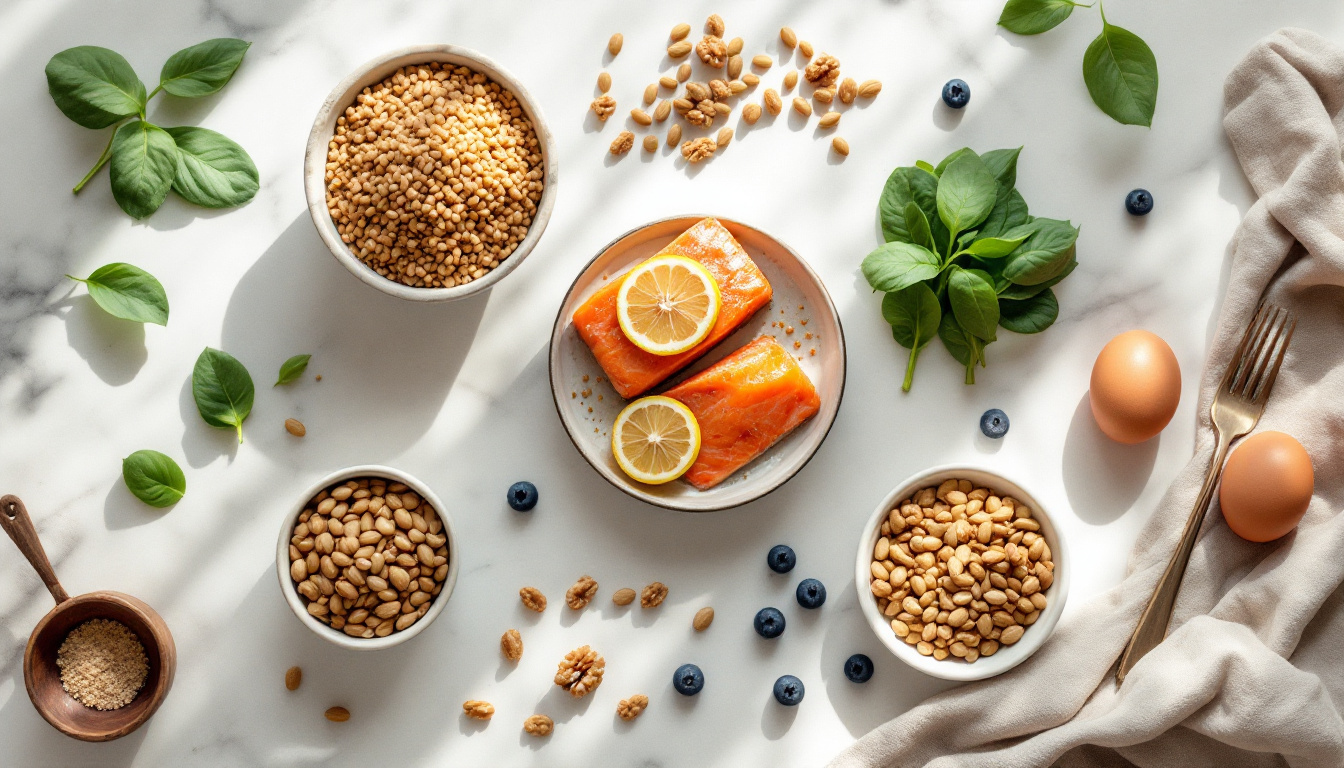
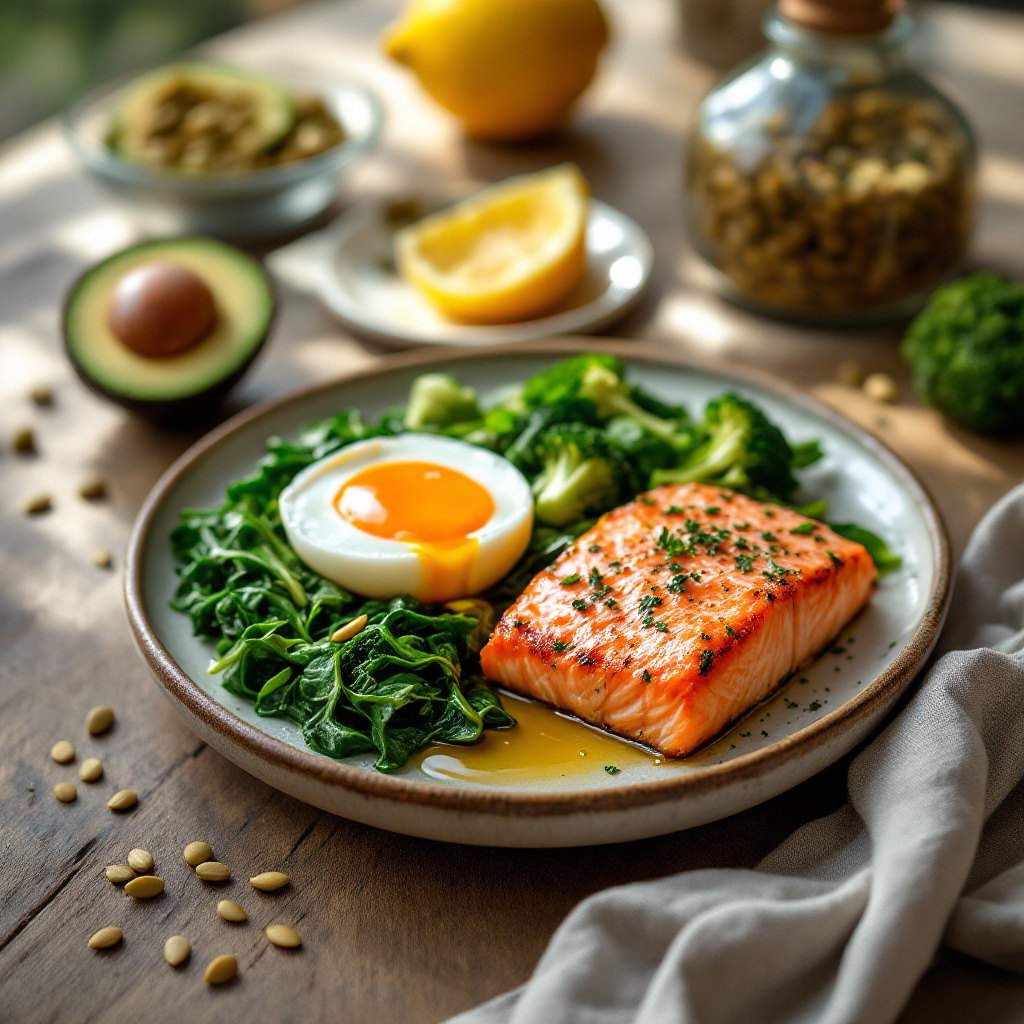
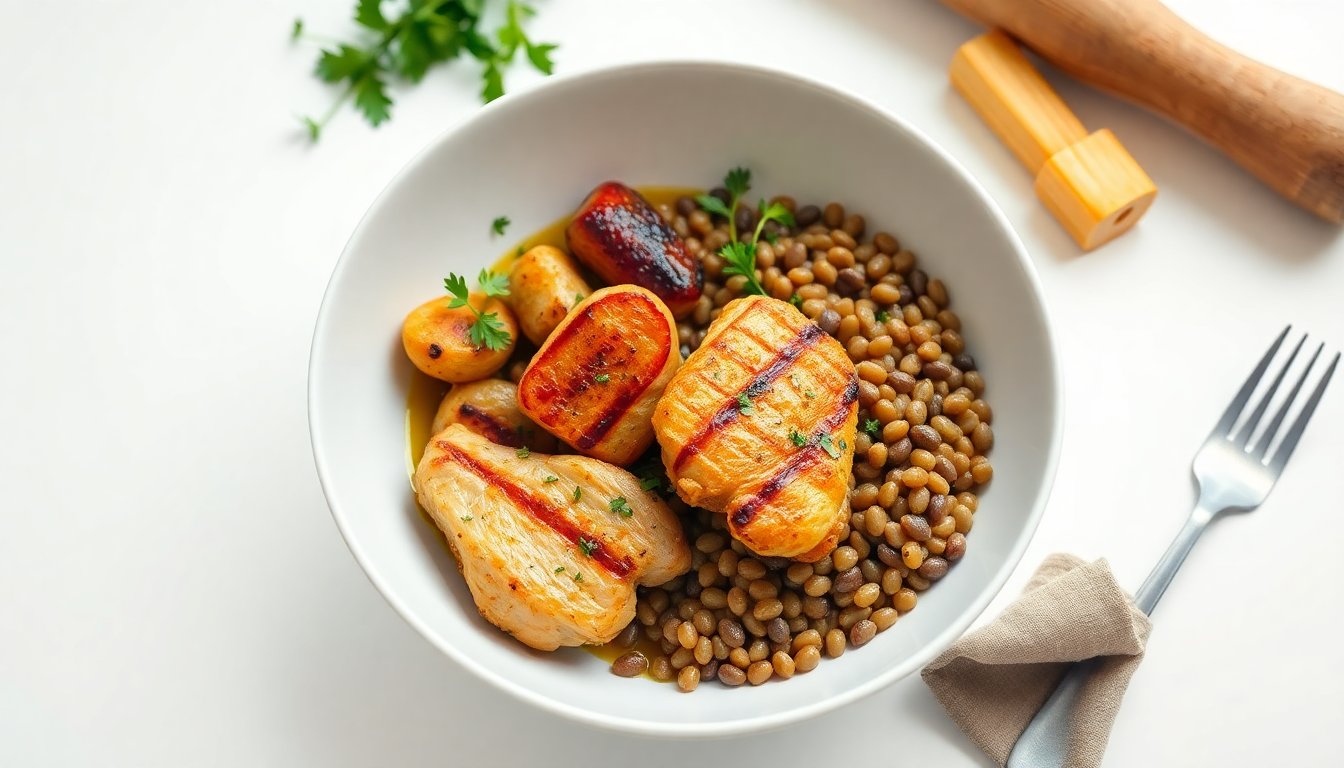
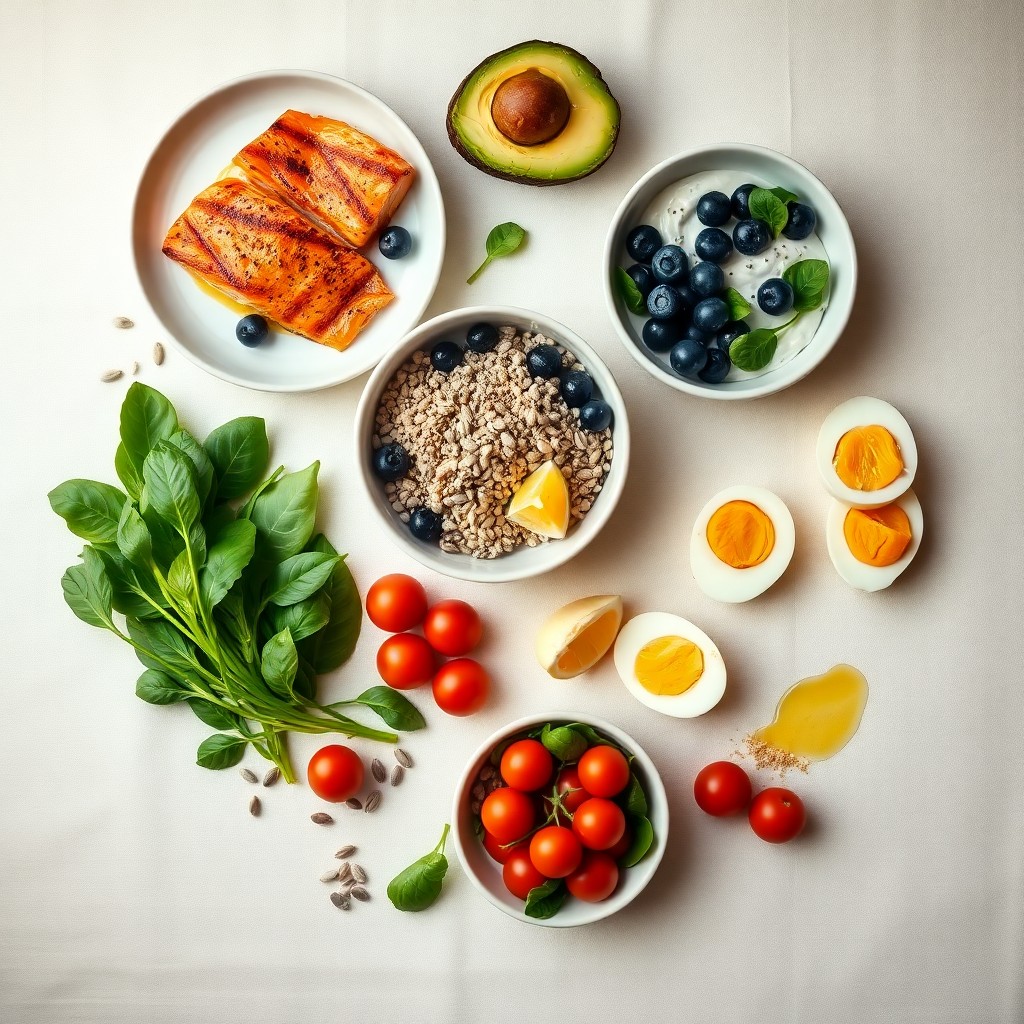
Fertility-supporting PCOS foods: salmon, lentils, eggs, leafy greens, walnuts and pumpkin seeds

How to eat to restore ovulation, improve egg quality, and maximise your chances of conceiving naturally with PCOS.

PCOS is the most common cause of anovulatory infertility — infertility caused by irregular or absent ovulation. But it is also one of the most diet-responsive. The same insulin-androgen cycle that disrupts your cycles, drives your acne, and makes weight loss feel impossible is also what's preventing ovulation. And that cycle is substantially modifiable through what you eat. This is not a promise that diet alone will get you pregnant. It is evidence that diet is your most powerful lever — and that most women with PCOS who are trying to conceive are not yet using it at its full potential.

Key takeaways

Contents

  1. How PCOS disrupts ovulation
  2. How diet restores ovulation
  3. The PCOS fertility nutrition framework
  4. Foods that support ovulation and egg quality
  5. Foods to avoid when TTC with PCOS
  6. Supplements for PCOS fertility
  7. The full-fat dairy finding
  8. Cycle tracking with PCOS
  9. What to expect and how long it takes
  10. Frequently asked questions

How PCOS disrupts ovulation

To understand why diet helps, you need to understand the mechanism by which PCOS prevents ovulation. The pathway is direct:

  1. Insulin resistance → hyperinsulinaemia — the pancreas produces excess insulin to compensate for cells' reduced sensitivity to it
  2. Excess insulin stimulates androgen production — elevated insulin signals the ovaries and adrenal glands to produce more testosterone and DHEA; it also suppresses sex hormone-binding globulin (SHBG), making more of that testosterone biologically active
  3. Elevated androgens disrupt LH pulsatility — the hypothalamus releases GnRH in pulses that control LH release; excess androgens increase the frequency of these pulses, shifting the LH:FSH ratio and preventing the mid-cycle LH surge that triggers ovulation
  4. Follicles arrest in development — without the correct LH:FSH ratio, follicles stimulate partially and then stall, never reaching ovulatory maturity; these arrested follicles accumulate, creating the polycystic appearance on ultrasound

The result is irregular or absent ovulation — and without ovulation, conception is not possible naturally. The key point is that this entire cascade begins with insulin resistance. Address insulin resistance through diet, and the chain of hormonal disruption begins to unwind.

🔬
Why this mattersAnovulatory infertility responds to insulin-sensitising interventions — both dietary and pharmaceutical — because it has a metabolic root. This is fundamentally different from tubal factor infertility or diminished ovarian reserve, which are structural problems that diet cannot address. PCOS-related infertility is among the most treatable forms of infertility.

How diet restores ovulation

The mechanism runs in reverse. When insulin resistance improves through dietary change:

Studies in insulin-resistant women with PCOS consistently show that dietary interventions producing 5–10% body weight loss significantly improve ovulatory frequency — in some studies, moving women from no ovulation to regular ovulation without any medication. Even women who don't lose significant weight often see improved cycle regularity when dietary composition is changed to reduce insulin spikes, because the improvement in insulin signalling is partly independent of weight.

The dietary changes that matter most for ovulation restoration are not calorie restriction — they are macronutrient composition changes: specifically, higher protein, lower glycaemic carbohydrates, and adequate anti-inflammatory fat.

The PCOS fertility nutrition framework

The PCOS fertility diet is built on the same foundation as the general PCOS diet — high protein, low-GI carbs, anti-inflammatory fats — with additional emphasis on micronutrients critical for egg quality, embryo development, and hormonal signalling during the follicular phase.

Protein: 130–140g per day, 35–45g per meal

Protein is the cornerstone because it is the most effective dietary tool for reducing post-meal insulin spikes. Protein slows gastric emptying and triggers GLP-1 and PYY — satiety hormones that independently blunt glucose response. At 130–140g/day, most women with PCOS experience significantly improved blood glucose stability within 2–4 weeks. The specific protein sources matter as well — fatty fish provides fertility-relevant omega-3s; eggs provide choline and vitamin D; legumes provide myo-inositol and folate.

Low-GI carbohydrates: quality over restriction

The goal is not zero carbohydrates — it is carbohydrates that do not trigger large insulin responses. Lentils, chickpeas, sweet potato, berries, oats (whole-rolled), and non-starchy vegetables are all appropriate. They provide fibre, folate, and micronutrients essential for early embryo development without the insulin spike of refined carbohydrates. Aim for under 100g total carbohydrates per day, all from low-GI sources, paired with protein at every sitting.

Anti-inflammatory fats: prioritise omega-3

For fertility specifically, omega-3 fatty acids (EPA and DHA from fatty fish, or algae-based supplementation) are the priority. Omega-3s are incorporated into egg cell membranes, improving membrane fluidity and the egg's ability to be fertilised. They also reduce the chronic low-grade inflammation present in PCOS that impairs both follicle development and implantation. Three to four servings of fatty fish per week combined with supplemental omega-3 is the fertility-focused target.

Want a fertility-focused PCOS meal plan built around these principles? Generate your personalised plan free in under 2 minutes →

Foods that support ovulation and egg quality

Beyond the macro framework, specific foods have evidence supporting fertility outcomes in PCOS:

FoodKey nutrientsFertility benefitTarget intake
Fatty fish (salmon, sardines, mackerel) EPA, DHA, vitamin D, B12 Improves egg membrane quality; reduces inflammation; supports progesterone production 3–4 servings/week
Lentils and chickpeas Folate, myo-inositol, fibre, iron, plant protein Folate is critical for neural tube closure in early embryo; myo-inositol improves insulin signalling and ovulation rates; iron reduces anovulatory infertility risk 4–5 servings/week
Eggs (whole) Choline, vitamin D, B12, selenium, complete protein Choline is essential for methylation and embryo neural development; vitamin D improves ovarian response and implantation; selenium protects developing eggs from oxidative damage 1–2 daily
Full-fat plain Greek yogurt Protein, calcium, probiotics, fat-soluble vitamins Full-fat dairy reduces anovulatory infertility risk vs low-fat dairy (Nurses' Health Study II); probiotics support gut microbiome → improved oestrogen metabolism 1 serving daily
Leafy greens (spinach, kale, rocket) Folate, iron, magnesium, vitamin K, antioxidants Folate (natural form, more bioavailable than folic acid) directly supports early embryo; iron from plant sources alongside vitamin C improves ovulatory function 2+ cups daily
Walnuts ALA omega-3, selenium, vitamin E, manganese ALA provides precursor to EPA/DHA; selenium and vitamin E protect egg mitochondria from oxidative stress 30g daily
Pumpkin seeds Zinc, magnesium, iron, myo-inositol Zinc is essential for follicle maturation and progesterone production in the luteal phase; magnesium supports LH receptor sensitivity 30g daily
Ground flaxseed SDG lignans, ALA, fibre Lignans modulate oestrogen activity; improve LH:FSH ratio in some studies; also provides omega-3 ALA 1 tbsp daily
💡
Folate vs folic acidWomen with PCOS have a higher prevalence of MTHFR gene variants that impair the conversion of synthetic folic acid to its active form (methylfolate). Look for supplements labelled "methylfolate" or "5-MTHF" rather than "folic acid" — especially if you know you carry an MTHFR variant. Food-based folate (from lentils, leafy greens, eggs) is already in the active form.

Foods to avoid when trying to conceive with PCOS

Trans fats

Trans fats are the single most fertility-damaging dietary fat identified in research. The Nurses' Health Study II found that each 2% increase in trans fat calories (replacing carbohydrate or other fat) was associated with a 73% higher risk of ovulatory infertility. Trans fats impair cellular insulin signalling and disrupt the lipid composition of egg cell membranes. They are found in hydrogenated vegetable oils, commercial fried foods, margarine, and many packaged baked goods. Read ingredient labels — "partially hydrogenated" means trans fat regardless of what the front of the package says.

Alcohol

Alcohol disrupts LH pulsatility and reduces progesterone production in the luteal phase — both directly relevant to PCOS fertility. It also impairs liver function (the liver is responsible for clearing excess oestrogen and androgens), and at higher intakes, significantly reduces the chance of a successful IVF cycle. There is no established safe level of alcohol when trying to conceive. Eliminate it entirely, or reduce to the absolute minimum while working on dietary changes.

High-mercury fish

Methylmercury accumulates in large predatory fish and is neurotoxic to developing embryos. Fish to avoid or strictly limit when trying to conceive: shark, swordfish, king mackerel, tilefish, and bigeye tuna (canned light tuna is fine). Salmon, sardines, anchovies, trout, and cod are low-mercury options with high omega-3 content — eat these freely.

Refined carbohydrates and added sugar

Every blood sugar spike drives an insulin spike, which drives androgen production, which disrupts LH pulsatility. Refined carbohydrates are not just weight-gain foods — they are androgen-stimulating foods in the specific context of insulin-resistant PCOS. White bread, pasta, rice, breakfast cereals, flavoured yogurts, and anything with added sugar all fall into this category. Replace them with low-GI equivalents, not just reduce them.

Excess soy

Soy contains phytoestrogens (isoflavones) that weakly bind oestrogen receptors. At moderate dietary amounts — tofu a few times per week, edamame as a snack — the effect is negligible. At high intake — soy protein isolate shakes, soy milk as the primary milk source daily, concentrated soy supplements — there is a theoretical risk of disrupting the HPO axis, particularly the LH surge timing. This is precautionary: the evidence is not definitive, but when actively trying to conceive, it is sensible to avoid concentrated soy protein supplements and keep soy food intake moderate.

⚠️
Berberine and TTCBerberine is an effective insulin sensitiser for PCOS, but there is insufficient safety data for use during pregnancy or active conception attempts. Animal studies show potential concern. If you're taking berberine for PCOS and are now trying to conceive, switch to myo-inositol — comparable insulin-sensitising effect with a much cleaner safety profile around pregnancy.

Supplements for PCOS fertility

The following supplements have specific evidence for fertility outcomes in PCOS, and are safely used when trying to conceive:

Myo-inositol (2–4g per day)

The most studied supplement for PCOS fertility specifically. Multiple RCTs show improved ovulation rates (one study: 62% ovulated in the myo-inositol group vs 25% in placebo over 12 weeks), improved LH:FSH ratio, reduced testosterone, and — in women undergoing IVF — improved oocyte quality and fertilisation rates. Safe during pregnancy (emerging evidence suggests it may reduce gestational diabetes risk in high-risk women). Take 2g with breakfast and 2g with dinner. The 40:1 myo:D-chiro-inositol formulation is preferable to pure myo-inositol or pure D-chiro-inositol alone.

Methylfolate (400–800mcg per day)

Folate is the single most important preconception supplement — it reduces the risk of neural tube defects by up to 70% when taken before conception and through the first trimester. For women with PCOS, where MTHFR variants are more prevalent, methylfolate (5-MTHF) is better absorbed and utilised than synthetic folic acid. Start 3 months before trying to conceive to build adequate tissue levels. Most prenatal vitamins contain folic acid — check for "methylfolate" or "5-MTHF" if you know you have an MTHFR variant.

Vitamin D (2,000–4,000 IU per day)

Vitamin D receptors are present in ovarian tissue, and vitamin D deficiency (near-universal in PCOS) impairs both follicle development and uterine receptivity for implantation. Supplementation improves menstrual regularity, LH:FSH ratio, and AMH levels in PCOS. Get your 25-OH vitamin D tested — if below 75 nmol/L, take 4,000 IU daily with vitamin K2 (100mcg). Safe during pregnancy at these doses.

CoQ10 (200–600mg per day)

Coenzyme Q10 is an antioxidant involved in mitochondrial energy production. Egg cells are the largest cells in the body and are mitochondria-dense — they require enormous amounts of ATP to support fertilisation and early cell division. CoQ10 supplementation improves mitochondrial function in egg cells, particularly important for women over 35 or those with poor egg quality history. Take the ubiquinol form (pre-converted, more bioavailable) rather than ubiquinone. Studies in PCOS specifically show improved oocyte quality in IVF cycles.

Omega-3 fatty acids (2–4g EPA+DHA per day)

Beyond their role in egg membrane quality, omega-3s reduce the inflammatory markers (CRP, IL-6) that impair implantation, and improve adiponectin — a hormone that enhances insulin sensitivity and is chronically low in PCOS. Choose a fish oil or algae-based supplement with at least 500mg EPA + 300mg DHA per capsule. Algae-based omega-3 is appropriate for vegetarians and avoids any mercury concerns. Safe during pregnancy — in fact, DHA is a recommended supplement during pregnancy for fetal brain development.

SupplementDosePrimary fertility benefitSafe TTC/pregnancy?
Myo-inositol (40:1)2g twice dailyRestores ovulation, improves egg qualityYes
Methylfolate400–800mcg/dayNeural tube prevention, methylationEssential
Vitamin D3 + K22,000–4,000 IU D3Follicle development, implantationYes
CoQ10 (ubiquinol)200–600mg/dayEgg mitochondrial functionYes (likely safe)
Omega-3 (EPA+DHA)2–4g/dayEgg membrane quality, anti-inflammatoryYes — recommended in pregnancy
BerberineInsulin sensitiser (non-TTC use)No — avoid when TTC

The full-fat dairy finding

The Nurses' Health Study II — a large prospective cohort of over 18,000 women followed for 8 years — produced one of the most counterintuitive fertility nutrition findings: women who consumed one or more servings of full-fat dairy per day had a 27% lower risk of anovulatory infertility compared to women who rarely consumed full-fat dairy. Conversely, higher low-fat dairy intake was associated with increased risk of anovulatory infertility.

The proposed mechanisms involve the fat fraction of dairy: fat-soluble hormones (including oestrogen precursors and IGF-1) are concentrated in the fat, and removing the fat alters the hormonal signalling profile of the food. Low-fat dairy also typically has more added sugar or lactose proportionally, raising its glycaemic impact. Full-fat plain Greek yogurt (200g providing 20g protein, 5–8g fat, and active probiotic cultures) is the most PCOS-appropriate dairy source: high protein, low-GI, full-fat, and rich in calcium and probiotics.

🔬
The practical takeawaySwitch from low-fat or flavoured yogurt to full-fat plain Greek yogurt or full-fat plain kefir. Switch from skim milk to whole milk if you use dairy in cooking. This is one of the few fertility nutrition changes that is counterintuitive relative to mainstream dietary advice — and the evidence supporting it is robust.

Cycle tracking with PCOS

Cycle tracking with PCOS requires a different approach to standard methods because irregular cycles make most conventional tools unreliable:

Ovulation predictor kits (OPKs) — use with caution

OPKs detect the LH surge that precedes ovulation by 24–36 hours. The problem in PCOS: elevated baseline LH and frequent LH surges that don't result in ovulation (anovulatory LH surges) cause frequent false positives. Digital OPKs that also measure oestrogen (like Clearblue Advanced) are more accurate because they track the oestrogen rise that precedes the LH surge — a double confirmation. If using standard OPKs, test twice daily during the expected fertile window and look for a peak that is clearly darker than previous days, not just any faint second line.

Basal body temperature (BBT) charting

BBT rises 0.2–0.4°C after ovulation due to progesterone. Charting daily waking temperature confirms whether ovulation actually occurred — it won't predict ovulation in advance, but it confirms it retrospectively. This is valuable for PCOS women because it distinguishes true ovulation from anovulatory LH surges. If your temperature rises and stays elevated for 12–16 days, you ovulated. Apps like Natural Cycles, Kindara, or Femometer can help chart and detect the biphasic pattern.

Cycle length expectations

With PCOS, cycles may be 35–90+ days. As insulin resistance improves and androgens reduce through dietary change, cycle length typically shortens toward the 28–35 day range. This is one of the most reliable signs that the dietary approach is working — earlier ovulation (e.g., day 18 vs day 35) indicates improved LH pulsatility. Track the trend over 3–6 months rather than assessing single cycles.

What to expect and how long it takes

Be realistic about timelines — the hormonal shifts involved take months, not weeks:

💡
When to involve a specialistIf you have been trying to conceive for 12 months (or 6 months if over 35) with no success, see a reproductive endocrinologist regardless of your dietary progress. Diet is the foundation — but ovulation induction medications (letrozole is first-line in PCOS), IUI, or IVF may be the appropriate next step depending on your specific situation and partner factors. Diet and medical treatment are complementary, not alternatives.

This article is for educational purposes and does not constitute medical or fertility advice. If you are trying to conceive with PCOS, work with a GP, gynaecologist, or reproductive endocrinologist for personalised guidance.

References

  1. Chavarro JE, et al. (2007). Diet and lifestyle in the prevention of ovulatory disorder infertility. Obstet Gynecol. PubMed ↗
  2. Chavarro JE, et al. (2007). A prospective study of dairy foods intake and anovulatory infertility. Hum Reprod. PubMed ↗
  3. Nestler JE, et al. (1999). Ovulatory and metabolic effects of D-chiro-inositol. NEJM. PubMed ↗
  4. Bentov Y, et al. (2010). The use of mitochondrial nutrients to improve the outcome of infertility treatment. Reprod Biomed Online. PubMed ↗
  5. Moran LJ, et al. (2011). Lifestyle changes in women with polycystic ovary syndrome. Cochrane Database Syst Rev. PubMed ↗

Get your PCOS fertility meal plan

HerMeal builds a complete 5-day fertility-focused PCOS meal plan — high protein, low-GI, rich in the nutrients that support ovulation and egg quality. Personalised to your dietary restrictions and calorie target in under 2 minutes.

Start free →

Frequently asked questions

Can I get pregnant naturally with PCOS?
Yes — many women with PCOS conceive naturally, especially when insulin resistance is addressed through diet and lifestyle. PCOS causes anovulatory infertility (failure to ovulate regularly), but ovulation is often restorable through dietary changes that reduce insulin resistance. Some women restore regular ovulation within 3–6 months of consistent dietary change without any medical intervention. Others need ovulation-induction medications alongside lifestyle changes. The majority of women with PCOS who want to conceive eventually do so with appropriate support.
What is the best diet for PCOS fertility?
The best fertility diet for PCOS targets the root cause of anovulation: insulin resistance. Key principles are high protein (130–140g/day), low-GI carbohydrates, anti-inflammatory fats (especially omega-3s for egg quality), and foods rich in folate, zinc, and myo-inositol. Specific fertility-supporting foods include fatty fish, lentils, eggs, full-fat dairy, leafy greens, walnuts, and pumpkin seeds. Avoid trans fats, alcohol, and high-mercury fish when trying to conceive.
What supplements should I take for PCOS fertility?
The most evidence-backed supplements for PCOS fertility are: myo-inositol (2–4g/day) for restoring ovulation; methylfolate (400–800mcg/day) for neural tube prevention; vitamin D (2,000–4,000 IU/day) for follicle development and implantation; CoQ10 ubiquinol (200–600mg/day) for egg mitochondrial function; and omega-3 fatty acids (2–4g EPA+DHA/day) for egg membrane quality and inflammation reduction. Avoid berberine when actively trying to conceive — insufficient pregnancy safety data exists.
How long does it take to get pregnant with PCOS through diet?
Dietary changes begin improving hormonal markers within 8–12 weeks. Cycle regularity often begins improving at 3–6 months of consistent dietary change. Many women with PCOS who commit fully to a high-protein, low-GI diet see restored or more regular ovulation by 6 months. Natural conception after cycle restoration depends on timing and individual factors. If you've been trying for 12 months without success (or 6 months if over 35), see a reproductive endocrinologist regardless of dietary progress.
Is full-fat dairy good for PCOS fertility?
Yes — the Nurses' Health Study II found that women consuming full-fat dairy had significantly lower risk of anovulatory infertility compared to women consuming low-fat dairy. The fat fraction of dairy contains hormonal signalling compounds that appear to support ovulatory function. Low-fat dairy is also typically higher in added sugar to compensate for lost flavour. Full-fat plain Greek yogurt and full-fat cottage cheese are the most PCOS-appropriate choices — high protein, full-fat, low-GI.
Should I lose weight before trying to conceive with PCOS?
For women with insulin-resistant PCOS who are overweight, even 5–10% body weight loss significantly improves ovulatory function and pregnancy outcomes. However, aggressive calorie restriction when actively trying to conceive is not advisable — it raises cortisol and can worsen hormonal balance. The better approach is the PCOS fertility diet: high protein, low-GI, anti-inflammatory, which produces gradual fat loss while simultaneously improving hormonal markers. Fertility and weight improvements tend to happen together with this approach.
Can diet alone restore ovulation in PCOS?
For some women, yes. Women with mild-to-moderate insulin resistance who commit to a high-protein, low-GI diet often see ovulation restored within 3–6 months without medication. The evidence is clearest in women who have irregular but not absent cycles. Women with very long cycles (over 60 days) or absent cycles may need dietary changes combined with ovulation-induction medication. Diet is always the foundation — whether used alone or alongside medical treatment.
What foods should I avoid when trying to conceive with PCOS?
Avoid trans fats (in hydrogenated oils, fried foods, packaged baked goods — the most fertility-damaging dietary fat identified in research), alcohol (disrupts LH pulsatility and progesterone), high-mercury fish (shark, swordfish, king mackerel), refined carbohydrates and added sugar (worsen insulin resistance and androgen drive), and excess soy at high concentrations (may disrupt LH timing). Also avoid berberine supplements when actively trying to conceive.
Does intermittent fasting affect fertility in PCOS?
Intermittent fasting can improve insulin resistance in PCOS, but extended fasting windows (16:8 or longer) raise cortisol, which can disrupt LH pulsatility — the hormonal signal that triggers ovulation. When actively trying to conceive, a moderate eating window (12:12 or 14:10) is safer than aggressive fasting. Breaking the fast with a high-protein meal is more important than the length of the fasting window. Many fertility specialists recommend against extended fasting when actively trying to conceive.
📚
Complete guide
The Ultimate PCOS Nutrition Guide: What to Eat, Avoid & What the Science Says →