What to Eat with PCOS: The Best Foods — and What to Avoid
Evidence-based nutrition for PCOS — specific foods, the three-part meal rule, and what to cut first for the fastest reduction in insulin resistance.
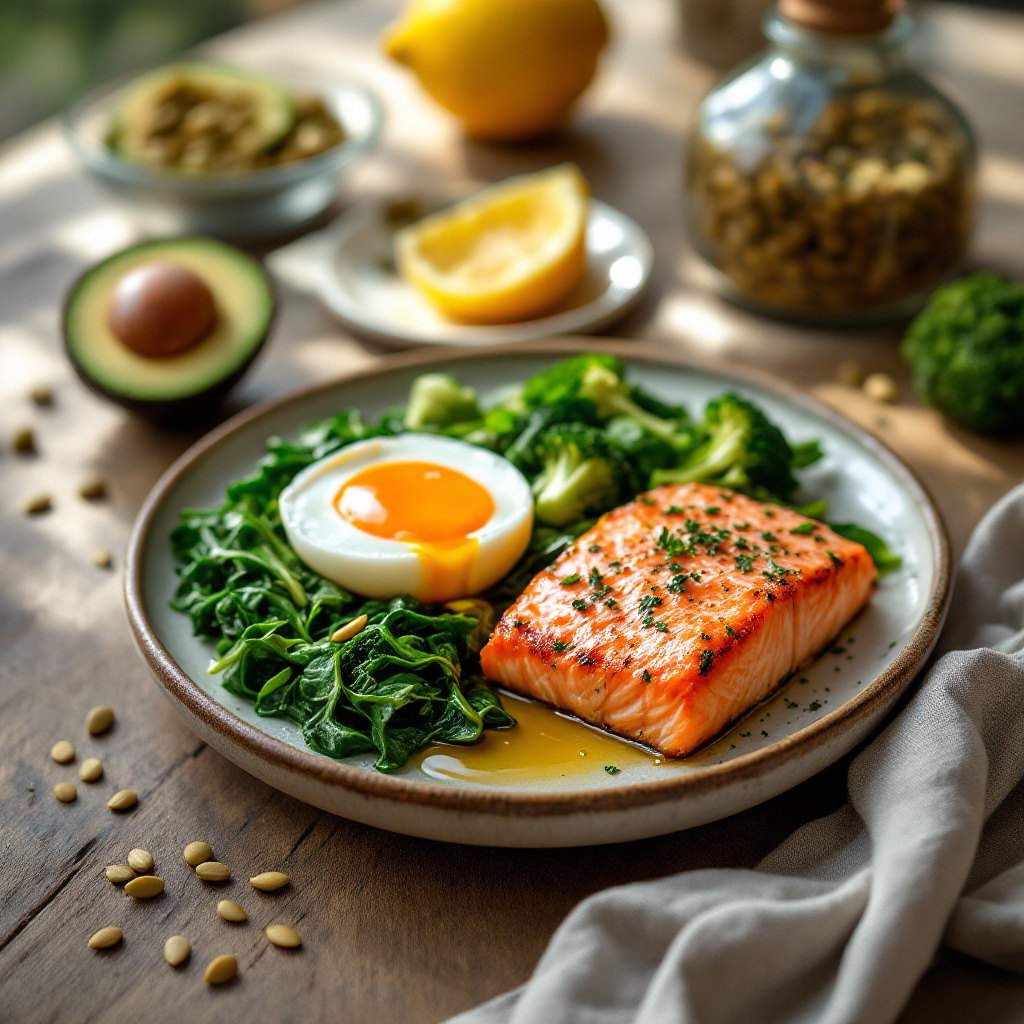
PCOS is a hormonal condition, but diet is one of the most powerful tools you have to manage it. The right foods can reduce insulin resistance, lower androgen levels, support a regular cycle, and reduce the fatigue, cravings, and inflammation that most PCOS women deal with daily. This guide covers exactly what to eat with PCOS — and what to cut — based on what the evidence actually supports.
🔑 Key takeaways
- PCOS is driven by insulin resistance and elevated androgens — diet directly influences both sides of this cycle
- Every PCOS meal needs high protein (30–45g), low-GI carbohydrates, and healthy fat — the PFF rule
- Specific foods (spearmint tea, ground flaxseed, lentils) have direct research evidence for PCOS symptom reduction
- Eating protein and vegetables first, carbs last reduces the post-meal glucose spike by up to 30%
Contents
- Why food matters so much in PCOS
- Three things every PCOS meal needs
- The best foods to eat with PCOS
- Foods with specific PCOS evidence
- Understanding the glycaemic index for PCOS
- What to avoid with PCOS
- Can you eat fruit with PCOS?
- Dairy and PCOS: what the evidence says
- How to put this into practice
- A sample week of PCOS-friendly eating
- Supplements to support a PCOS diet
- Frequently asked questions
Why food matters so much in PCOS
PCOS — now also referred to as PMOS (Polycystic Metabolic-Ovarian Syndrome) — is driven by two intersecting problems: elevated androgens (male sex hormones) and insulin resistance. These two issues feed each other in a cycle: excess insulin signals the ovaries to produce more testosterone, and elevated androgens worsen insulin sensitivity further.
Diet directly influences both sides of this cycle. Certain foods spike insulin sharply and repeatedly, keeping the cycle running. Others stabilise blood glucose, reduce inflammation, and actively support the hormonal environment. Choosing the right foods doesn't mean perfection — it means consistently shifting the conditions in your body towards balance rather than disruption.
Three things every PCOS meal needs
1. High protein at every meal
Protein is the most important macronutrient for PCOS. It stabilises blood sugar after meals, keeps you full far longer than carbohydrates do, supports the muscle mass that makes your cells more insulin-sensitive, and reduces the hormonal hunger signals that drive overeating in PCOS women. As a general guide, research suggests aiming for 30–45g of protein per meal — ideally 120–160g across the day. The best sources: chicken breast, turkey, lean beef, eggs, Greek yogurt (plain), cottage cheese, salmon, sardines, and lentils.
2. Low-GI carbohydrates in controlled amounts
Carbohydrates aren't the enemy — but the type and quantity matter enormously. High-GI foods cause rapid blood glucose spikes, triggering the high insulin response that drives PCOS symptoms. Low-GI carbohydrates — lentils, chickpeas, non-starchy vegetables, small amounts of quinoa and sweet potato — provide sustained energy without the spike. Significantly reducing refined carbs is key — many women with PCOS find aiming for under 50–100g net carbs works well, though the right level varies by individual.
3. Healthy fats at every meal
Fat doesn't cause fat gain — it slows digestion, blunts glucose absorption, and helps you absorb the fat-soluble vitamins (A, D, E, K) that are often depleted in PCOS. Avocado, olive oil, eggs, fatty fish, almonds, and pumpkin seeds should appear in some form at every meal. Olive oil in particular has anti-inflammatory properties that are directly relevant to the chronic low-grade inflammation that characterises PCOS.
The best foods to eat with PCOS
These are the foods that consistently appear in the research on PCOS nutrition, and the ones that form the core of a well-designed PCOS meal plan:
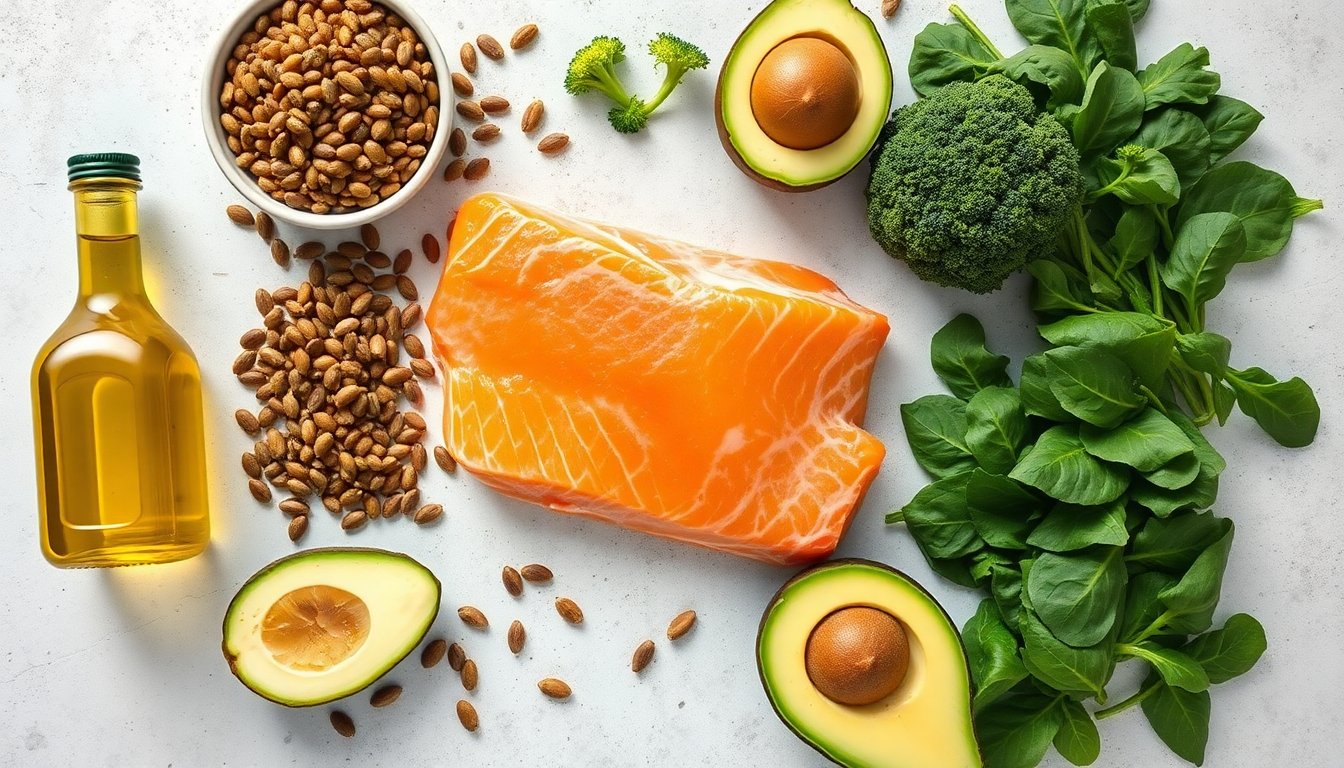
| Food | How it helps PCOS & PMOS | Key nutrients |
|---|---|---|
| Eggs | Complete protein, vitamin D; supports insulin signalling | Protein, Vitamin D, Choline |
| Salmon / sardines | Reduces inflammation, improves adiponectin | Omega-3, Protein, Vitamin D |
| Lentils / chickpeas | Myo-inositol improves insulin receptor sensitivity | Myo-inositol, Fibre, Protein |
| Leafy greens | Magnesium supports insulin signalling | Magnesium, Folate, Iron |
| Ground flaxseed | Lignans bind androgen receptors; reduces testosterone impact | SDG Lignans, Omega-3, Fibre |
| Pumpkin seeds | Zinc reduces 5-alpha reductase; lowers DHT conversion | Zinc, Magnesium, Protein |
| Broccoli / cauliflower | DIM supports androgen clearance through the liver | DIM, Sulforaphane, Fibre |
Eggs
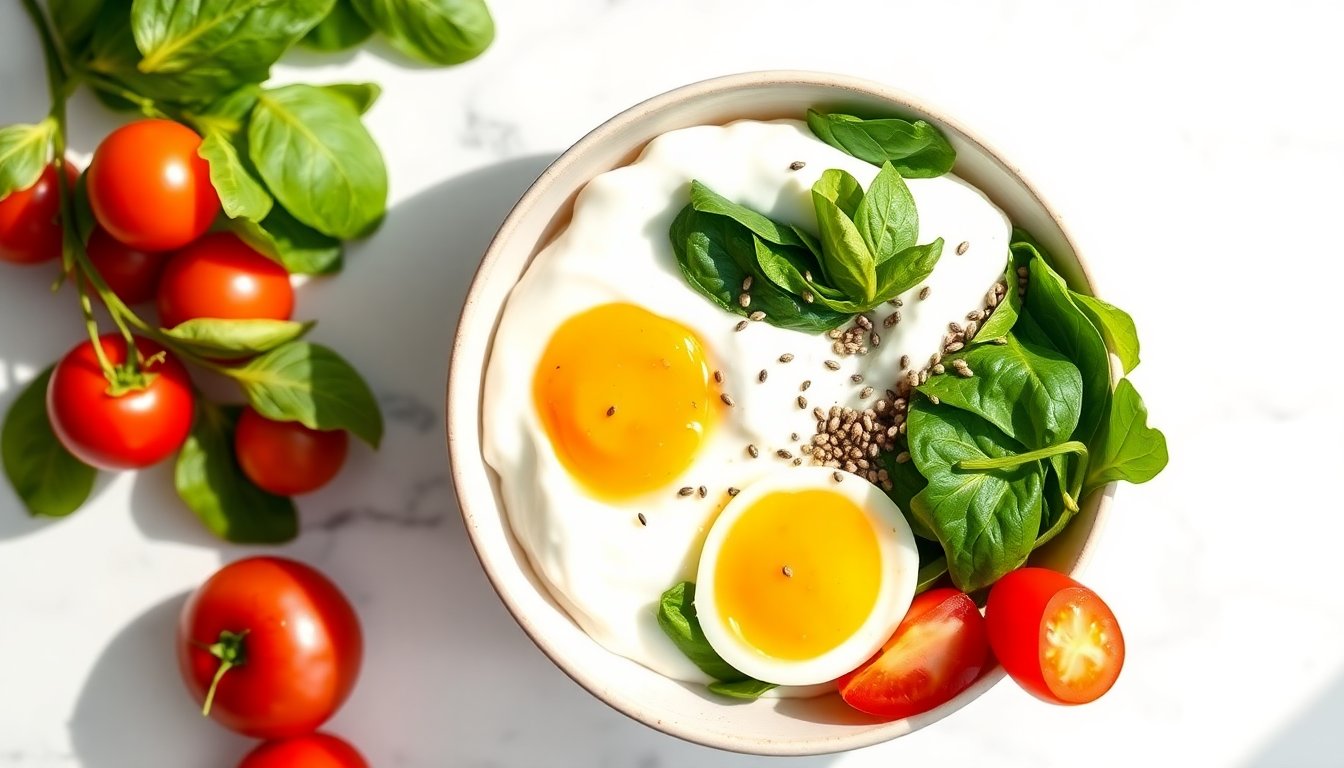
One of the most complete foods for PCOS. High in protein, rich in choline (essential for liver function), and a source of vitamin D — which is commonly deficient in PCOS. The yolk is important; don't skip it. Eggs appear in 4 of 5 days in most PCOS meal plans for good reason.
Salmon and sardines
Omega-3 fatty acids from fatty fish suppress the inflammatory cytokines chronically elevated in PCOS (TNF-alpha, IL-6), improve adiponectin levels (a fat-burning hormone typically low in PCOS women), and support healthy ovarian function. Aim for fatty fish 3–4 times per week.
Lentils and chickpeas
Legumes are uniquely valuable for PCOS. They contain myo-inositol — one of the most researched nutrients for improving insulin receptor sensitivity in PCOS — alongside soluble fibre that slows glucose absorption, and enough protein to contribute meaningfully to daily targets. Eating them cooled (in salads or meal-prepped the day before) increases their resistant starch content, further blunting the glucose response.
Leafy greens (spinach, kale, rocket)
Dark leafy greens provide magnesium — a mineral that is deficient in the majority of PCOS women and plays a direct role in insulin signalling. They also provide folate, iron, and fibre with virtually no glucose impact. Include them at every meal if possible.
Ground flaxseed
One tablespoon per day provides SDG lignans that compete with testosterone at the androgen receptor — effectively reducing the impact of the elevated androgens that cause many PCOS symptoms. It's also a practical source of omega-3s and soluble fibre. Add it to Greek yogurt, smoothies, or sprinkled over meals.
Pumpkin seeds
One of the best food sources of zinc, which is commonly low in PCOS women. Zinc plays a role in reducing 5-alpha reductase activity — the enzyme that converts testosterone to its more potent form, DHT. A small handful (30g) as a snack or added to meals is enough to make a difference.
Cruciferous vegetables (broccoli, cauliflower, Brussels sprouts)
Contain DIM (diindolylmethane), a compound that supports oestrogen metabolism and androgen clearance through the liver. Lightly cooked (not overcooked) maximises sulforaphane content. Include them in at least one meal daily.
✅ PCOS & PMOS-friendly foods
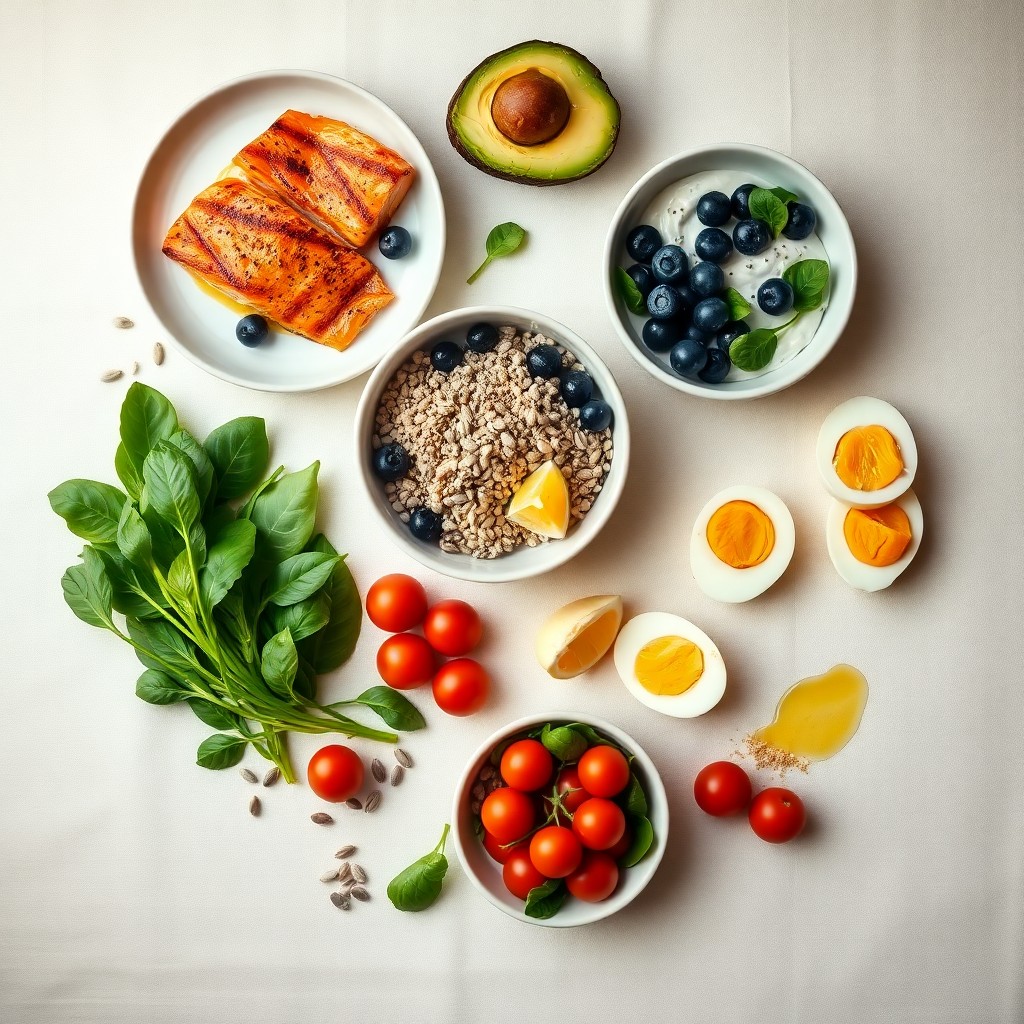
- Eggs (whole, with yolk)
- Chicken breast, turkey, lean beef
- Salmon, sardines, mackerel
- Plain Greek yogurt (2%)
- Lentils, chickpeas, black beans
- Spinach, kale, broccoli
- Avocado, olive oil, almonds
- Ground flaxseed, pumpkin seeds
- Sweet potato (small portions), quinoa
- Berries (blueberries, strawberries)
❌ Foods that worsen PCOS & PMOS
- White rice, white bread, pasta
- Breakfast cereals and granola
- Fruit juice and smoothies
- Added sugar in any form
- Low-fat flavoured yogurts
- Corn, potato (in quantity)
- Soda and sports drinks
- Deep-fried foods and packaged snacks
- Processed meats
- Alcohol (disrupts oestrogen clearance)
Foods with specific PCOS evidence worth knowing about
Cinnamon — some research suggests cinnamon may help improve insulin sensitivity, though the evidence is still emerging.1 Use it generously wherever the flavour works: yogurt, overnight oats, curries, roasted vegetables.
Apple cider vinegar — acetic acid slows gastric emptying and reduces post-meal glucose spikes measurably.2 Use it as a salad dressing base with olive oil. One to two tablespoons before or during a meal is the typical approach in the research.
Spearmint tea — two cups per day has shown meaningful reductions in free testosterone in two randomised controlled trials.34 The mechanism appears to be anti-androgenic. It won't replace dietary changes, but it's a low-effort addition with real evidence behind it.
Green tea (EGCG) — epigallocatechin gallate improves insulin sensitivity and has mild anti-androgenic effects. Two to three cups per day is the typical therapeutic range seen in studies.
Understanding the glycaemic index for PCOS
The glycaemic index (GI) is a 0–100 scale that rates how quickly a carbohydrate food raises blood glucose relative to pure glucose. For PCOS, keeping the overall GI of your meals low is one of the most reliable ways to reduce insulin spikes. But GI alone is incomplete — glycaemic load (GL) accounts for portion size and is more practically useful. A food can have a high GI but a low GL if a typical serving contains little actual carbohydrate. For PCOS, the practical rule is: base your diet on low-GI foods, eat moderate portions of medium-GI foods alongside protein and fat, and avoid high-GI foods as your primary carbohydrate source.
| Food | GI (approx.) | PCOS verdict |
|---|---|---|
| White bread | 75 | Avoid — causes rapid spike |
| White rice | 72 | Avoid — causes rapid spike |
| Boiled potato | 78 | Avoid or strictly limit |
| Oats (rolled) | 55 | OK in small amounts — always with protein |
| Quinoa | 53 | Good — higher protein than most grains |
| Pasta (al dente) | 49 | Better than bread/rice, still limit |
| Sweet potato | 44 | Excellent — high fibre, low-GI carb |
| Lentils | 32 | Ideal — protein + fibre + myo-inositol |
| Chickpeas | 28 | Ideal — protein + fibre + myo-inositol |
| Berries | 25–40 | Ideal fruit choice for PCOS |
What to avoid with PCOS
The foods that most consistently worsen PCOS symptoms are those that cause rapid, repeated spikes in blood glucose and insulin:
Refined carbohydrates — white bread, white rice, pasta, crackers, and most breakfast cereals digest almost immediately into glucose. The resulting insulin surge drives androgen production and fat storage. These aren't occasional treats to limit — they're the core driver of the insulin-PCOS cycle and worth removing from everyday eating.
Added sugars — sugar in any form (honey, maple syrup, agave, coconut sugar, brown sugar) causes the same insulin response as white sugar. Low-sugar doesn't mean PCOS-friendly; the glucose response is what matters, not the label.
Fruit juice and smoothies — fruit juice can spike blood sugar almost as quickly as a soft drink, with little of the fibre that slows digestion in whole fruit. Whole fruit in small quantities is fine; liquid sugar is not.
Ultra-processed seed oil products — deep-fried foods and packaged snacks made with hydrogenated oils are high in omega-6 fatty acids, which compete with the omega-3s your body needs for anti-inflammatory signalling. Use olive oil as your primary cooking fat. For high-heat cooking, avocado oil is a stable alternative.
Low-fat dairy — full-fat dairy has a lower glycaemic impact than low-fat versions (which often have sugar added to compensate for flavour), and the fat-soluble vitamins in dairy require fat for absorption. Plain full-fat Greek yogurt is genuinely one of the best foods for PCOS. The low-fat, flavoured version is one of the worst.
Can you eat fruit with PCOS?
Fruit is frequently misunderstood in PCOS nutrition. Whole fruit is not the same as fruit juice — whole fruit contains fibre that slows glucose absorption, water that reduces caloric density, and polyphenols with anti-inflammatory properties. The issue with fruit for PCOS isn't the fruit itself; it's the quantity and what you eat it with.
The best fruits for PCOS are low-GI, polyphenol-rich varieties: blueberries, raspberries, strawberries, kiwi, green apple, and pomegranate. Berries in particular contain anthocyanins — polyphenols that improve insulin sensitivity and reduce inflammatory markers elevated in PCOS. A bowl of mixed berries with Greek yogurt is a genuinely PCOS-supportive breakfast or snack, not something to avoid.
Fruits to limit include tropical varieties (mango, pineapple, papaya) in large quantities, overripe banana eaten alone, and all dried fruit. The concern isn't toxicity — it's that these contain enough fast-digesting fructose and glucose to trigger a meaningful insulin response when eaten without protein alongside them.
The practical rule: 1–2 servings of low-GI fruit per day, always alongside a protein source. Fruit with a meal — yes. Fruit by itself as a standalone snack — for most women with PCOS, this is worth avoiding.
Dairy and PCOS: what the evidence actually says
The dairy question in PCOS is more nuanced than a simple yes or no. Here's what the evidence actually supports:
Full-fat plain dairy appears neutral to beneficial in most PCOS studies. Plain Greek yogurt (2–5% fat) and cottage cheese are among the most protein-dense, lowest-GI foods available. The fat slows glucose absorption, the protein contributes directly to per-meal protein targets, and calcium supports hormonal health. Full-fat plain Greek yogurt is genuinely one of the best foods for PCOS — despite decades of "low-fat is better" messaging that does not apply here.
Low-fat and flavoured dairy is consistently problematic. When fat is removed, sugar is added to compensate for flavour. Flavoured Greek yogurts often contain 20–30g of added sugar per serving. Read ingredient labels carefully: if sugar, honey, or any syrup is listed among the first five ingredients, it belongs in the "avoid" column regardless of how healthy the branding looks.
The IGF-1 and acne concern: conventional dairy contains trace IGF-1 (insulin-like growth factor 1) and bovine hormones. Some practitioners suggest these may contribute to acne and skin oiliness in certain PCOS women. The evidence for this is less robust than the insulin-GI connection, but if you're experiencing significant hormonal acne alongside PCOS, a 4-week dairy-free trial can clarify whether it's a personal trigger.
If you avoid dairy, the most nutritionally equivalent substitutes are: unsweetened soy milk (similar protein content), unsweetened almond milk (low in protein — supplement elsewhere), or coconut-based yogurt (high in fat, low in protein). Oat milk, rice milk, and most commercial plant milks are high in carbohydrates and low in protein — not ideal primary substitutes for PCOS.
How to put this into practice
You don't need to change everything at once. The two changes that produce the largest early impact are: aiming for 30–45g of protein at every meal (as a general guide), and removing the highest-GI foods (white bread, white rice, juice, added sugar). Most women notice a meaningful reduction in cravings, hunger, and energy crashes within 1–2 weeks of these two changes alone.
From there, the progression is straightforward: add more of the specific PCOS foods listed above, structure each meal around protein first, and gradually replace refined carbohydrates with legumes and non-starchy vegetables. You don't need to count every gram — the structure matters more than precision.
For a more complete approach, our guide to eating for PCOS insulin resistance covers the mechanisms in more depth. Our high-protein PCOS breakfast guide gives you practical first-meal ideas. And if you're considering time-restricted eating, our intermittent fasting for PCOS guide covers which windows work best and where most people go wrong.
A sample week of PCOS-friendly eating
Rather than a rigid meal plan, the following framework shows what a PCOS-supportive week looks like structurally. The specific recipes matter less than the pattern:
Daily non-negotiables
- 30–45g protein per meal — always the first priority at every sitting, before choosing carbs
- No carbohydrates alone — always paired with protein and fat to prevent glucose spikes
- Leafy greens at least once daily — spinach, kale, rocket, or similar
- 1 tablespoon ground flaxseed — add to yogurt, a smoothie, or stir into a meal
- 2 litres+ water — dehydration independently worsens insulin resistance
- 1–2 cups of spearmint or green tea — both have anti-androgenic evidence and are easy to include daily
Weekly protein rotation
- Eggs (4–5 days) — with the yolk; skip the egg-white-only trend, the yolk contains the choline and vitamin D that matter for PCOS
- Salmon or sardines (3–4 days) — omega-3, vitamin D, and anti-inflammatory EPA/DHA
- Chicken breast or turkey (4–5 days) — lean, versatile, high-protein base for most meals
- Lentils or chickpeas (3–4 days) — double duty: significant protein and myo-inositol and fibre
- Greek yogurt (daily) — as a snack base, in dressings, or at breakfast
Weekly carbohydrate rotation (small portions, always with protein)
- Sweet potato (2–3 days) — roasted as a side, not a centrepiece; 100–150g serving
- Quinoa (2–3 days) — counts as a protein-carb hybrid, unlike white rice or bread
- Lentils and chickpeas — serve as both protein and carbohydrate simultaneously
- Berries (daily) — with Greek yogurt, as dessert, or added to a smoothie
Supplements to support a PCOS diet
Diet does the heavy lifting, but several supplements have enough evidence for PCOS to be worth considering alongside your dietary changes. These are additions to good nutrition — not substitutes for it. Always discuss with your GP or dietitian before starting, particularly if you're taking medication.
Myo-inositol (2–4g per day)
The most researched supplement for PCOS. Myo-inositol is a naturally occurring compound found in lentils and chickpeas, but therapeutic doses require supplementation. Multiple randomised controlled trials show it directly improves insulin receptor signalling, reduces fasting insulin, and improves cycle regularity. Often sold in a 40:1 ratio with D-chiro-inositol, which appears to be the most effective combination.
Magnesium (300–400mg per day)
Deficient in the majority of PCOS women. Magnesium plays a direct role in insulin signalling (over 300 enzymatic reactions require it), sleep quality, and cortisol regulation — elevated cortisol worsens insulin resistance. Magnesium glycinate and malate are far better absorbed than the cheap oxide form in most mass-market products. See our full guide to magnesium for PCOS for specific dosing and timing.
Vitamin D (2,000–4,000 IU per day)
Vitamin D deficiency is extremely common in PCOS and directly linked to insulin resistance severity, androgen levels, and ovarian function. Test your blood level first — a simple test through your GP shows where you stand. Supplement at the dose that brings you into the optimal range (75–100 nmol/L). Take it with food containing fat, and ideally pair it with vitamin K2 to support calcium metabolism.
Omega-3 (2–4g EPA+DHA per day)
If you're not eating fatty fish 3–4 times per week, fish oil supplementation addresses the inflammatory cytokines (TNF-alpha, IL-6, CRP) chronically elevated in PCOS and improves adiponectin — a fat-metabolism hormone typically low in PCOS women. Choose a product with measurable EPA and DHA content listed on the label, not just "fish oil" — the EPA:DHA ratio matters.
Berberine (500mg two to three times per day with meals)
A plant-derived compound that activates AMPK, a key regulator of insulin sensitivity — the same pathway targeted by metformin. Several trials show it improves HOMA-IR and reduces fasting glucose in PCOS comparably to metformin in some studies. Not appropriate for everyone: consult your doctor before use, especially if you're taking diabetes medication, blood pressure medication, or anticoagulants.
This article is for general educational purposes and does not constitute medical advice. If you have PCOS, work with a registered dietitian or your GP to develop a plan suited to your individual health history and any medications you're taking. If you're trying to conceive, consult your doctor before following restrictive eating patterns, as these may affect fertility.
References
- Wang JG, Anderson RA, Graham GM 3rd, et al. (2007). The effect of cinnamon extract on insulin resistance parameters in polycystic ovary syndrome: a pilot study. Fertility and Sterility, 88(1):240–243. PubMed ↗
- Liljeberg H, Björck I. (1998). Delayed gastric emptying rate may explain improved glycaemia in healthy subjects to a starchy meal with added vinegar. European Journal of Clinical Nutrition, 52(5):368–371. PubMed ↗
- Akdoğan M, et al. (2007). Effect of spearmint (Mentha spicata Labiatae) teas on androgen levels in women with hirsutism. Phytotherapy Research, 21(5):444–447. PubMed ↗
- Grant P. (2010). Spearmint herbal tea has significant anti-androgen effects in polycystic ovarian syndrome. Phytotherapy Research, 24(2):186–188. PubMed ↗
- Shukla AP, et al. (2017). Food order has a significant impact on postprandial glucose and insulin levels. BMJ Open Diabetes Research & Care, 5(1):e000440. PubMed ↗
Frequently asked questions
Get a meal plan built around this
Generate your personalised 5-day PCOS & PMOS meal plan free — high protein, low-GI, hormone-balancing, built around your specific profile and fasting window.
Start free trial →