High-Protein PCOS Breakfast Ideas to Keep You Full All Morning
Seven breakfast options with 35–45g protein each — what they look like on a plate, why standard breakfasts fail PCOS, and how to make them sustainable.
If you have PCOS, you've probably noticed that a "normal" breakfast — toast, cereal, fruit, even oats — leaves you hungry within two hours and craving something sweet by mid-morning. That's not a willpower problem. It's biology. A high-protein PCOS breakfast changes that equation completely, and once you start eating this way, the difference in energy, hunger, and cravings is hard to miss.
🔑 Key takeaways
- Two eggs alone (12g protein) is not enough — PCOS needs 30–45g at the first meal
- High-protein breakfasts prevent the 10am crash by keeping blood sugar stable for 4–5 hours
- Greek yogurt, cottage cheese, and egg whites are the most practical high-protein breakfast bases
- Batch cooking on Sundays makes high-protein breakfasts quick enough to maintain daily
Contents
Why protein at breakfast matters so much for PCOS
Most PCOS women have some degree of insulin resistance. When you eat a carbohydrate-heavy breakfast with little protein, blood glucose spikes, insulin surges in response, and then comes the crash — which triggers cortisol, increases hunger, and drives the craving cycle that makes PCOS so exhausting to manage.
Protein changes this at a biological level. It slows gastric emptying, blunting the glucose rise after a meal. It triggers the release of GLP-1 and PYY — two hormones that signal fullness and keep you satisfied for hours. And because protein has a high thermic effect (your body burns 25–30% of its calories during digestion), it's metabolically advantageous in a way carbs simply aren't.
As a general guide, research suggests aiming for 30–45g of protein at your first meal. That might sound like a lot, but once you see what it actually looks like on a plate, it's more achievable than you'd think.
10 high-protein PCOS breakfast ideas worth eating
1. Greek yogurt power bowl (42g protein)
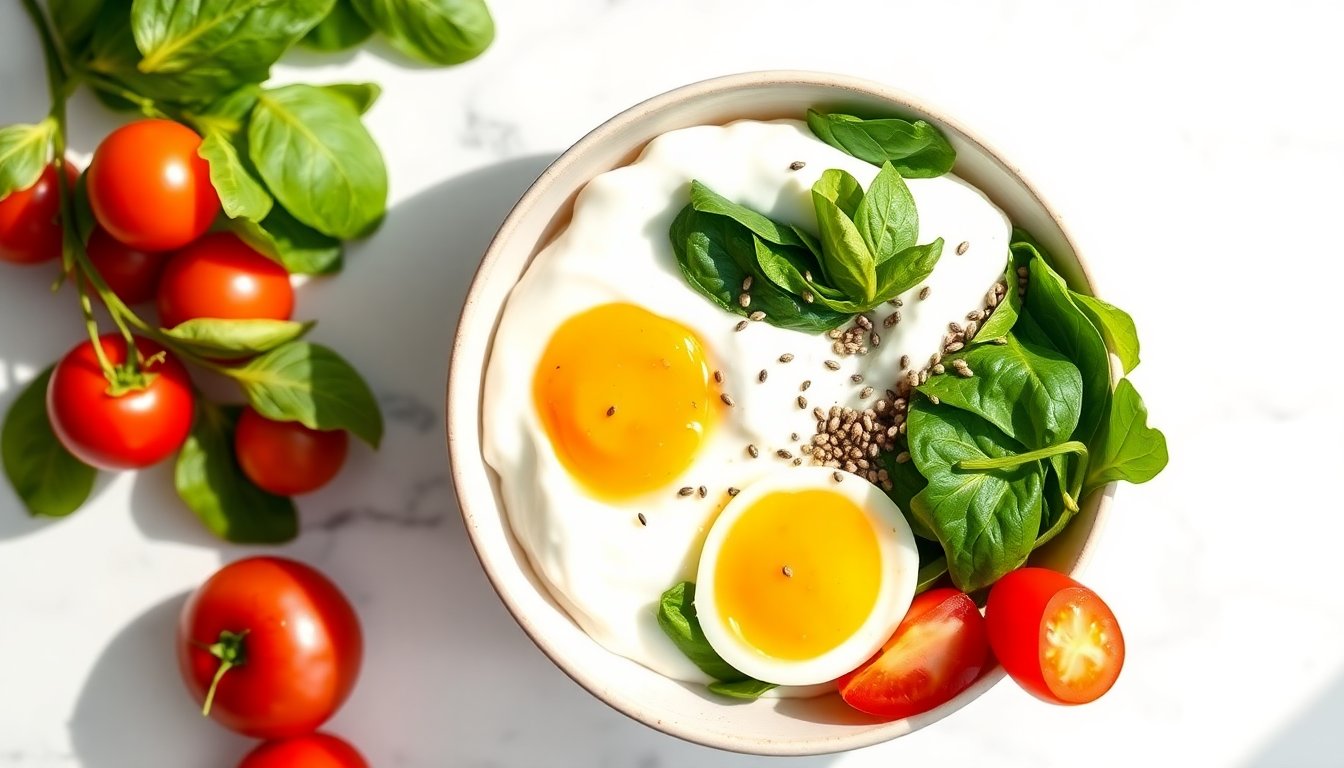
Start with 300g of plain 2% Greek yogurt — not low-fat, which strips out the satiating fats. Add 100g of liquid egg whites (about 11g protein on their own), scrambled separately and layered on top. Add 2 tablespoons of chia seeds, a small handful of blueberries, and a drizzle of almond butter. The combination of complete proteins from yogurt and egg whites with the fat from almond butter makes this genuinely filling for 4–5 hours.
2. Smoked salmon and egg scramble (38g protein)
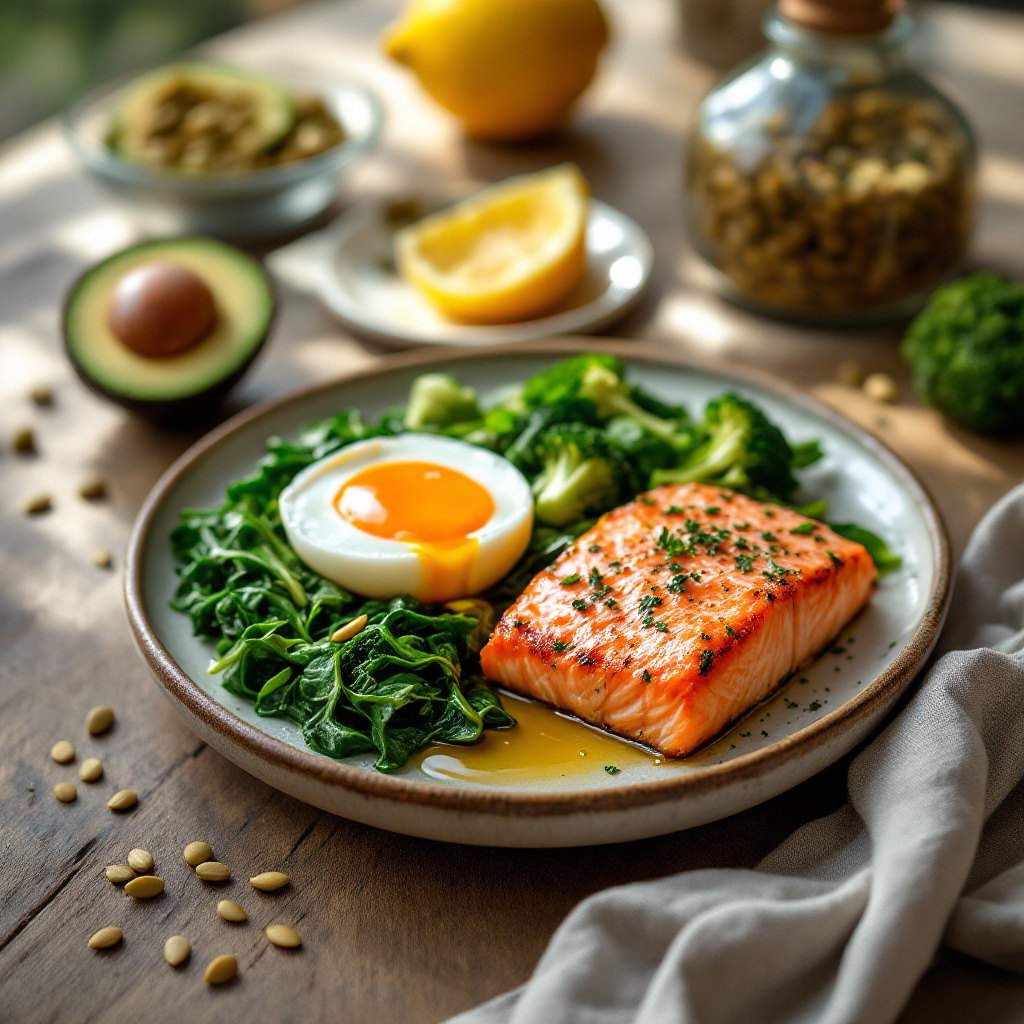
Two whole eggs plus 3 egg whites, scrambled with 80g smoked salmon, wilted spinach, and half an avocado on the side. Smoked salmon is one of the best PCOS breakfast ingredients — it provides protein, omega-3 fatty acids (which reduce inflammation and improve insulin sensitivity), and vitamin D, all of which are commonly deficient in PCOS women. The avocado adds the healthy fat that slows digestion and keeps blood sugar stable.
3. Cottage cheese and turkey bowl (45g protein)
200g full-fat cottage cheese (~22g protein), 80g diced turkey breast (about 18g protein), cherry tomatoes, cucumber, fresh dill, and a squeeze of lemon. Cold, fresh, takes five minutes. The leucine content in cottage cheese is among the highest of any dairy food — and leucine is the amino acid that most strongly stimulates muscle protein synthesis through the mTOR pathway and supports insulin sensitivity.
4. Turkey and egg breakfast skillet (40g protein)
Brown 150g ground turkey in a pan with garlic and cumin, push to one side, and crack in 2–3 eggs. Add a large handful of baby spinach and let it wilt. Serve with sliced avocado. This is the PCOS equivalent of a full breakfast — filling, deeply savoury, and built around the Protein-Fat-Fibre rule that helps prevent post-meal glucose spikes.
5. Protein overnight oats — done right (35g protein)
Most overnight oat recipes are high-carb and low-protein. Here's the fix: 40g rolled oats, 200g plain Greek yogurt (instead of milk), 1 scoop of unflavoured protein powder, 2 tablespoons chia seeds, and a sprinkle of cinnamon. The yogurt replaces liquid and more than doubles the protein. The cinnamon is more than flavour — some research suggests cinnamon may help improve insulin sensitivity, though the evidence is still emerging.1 Make it the night before and it's ready in the morning with no effort.
6. Egg white omelette with feta and spinach (36g protein)
Six egg whites (21g protein), 40g feta, a large handful of baby spinach, half a red onion, and fresh oregano. Egg whites give you complete protein without the additional fat of yolks — useful if you're earlier in your eating window and want a lighter option. The red onion is worth including regularly: it's one of the highest dietary sources of quercetin, a flavonoid that directly reduces the inflammatory markers elevated in PCOS.
7. Chicken and avocado morning bowl (44g protein)
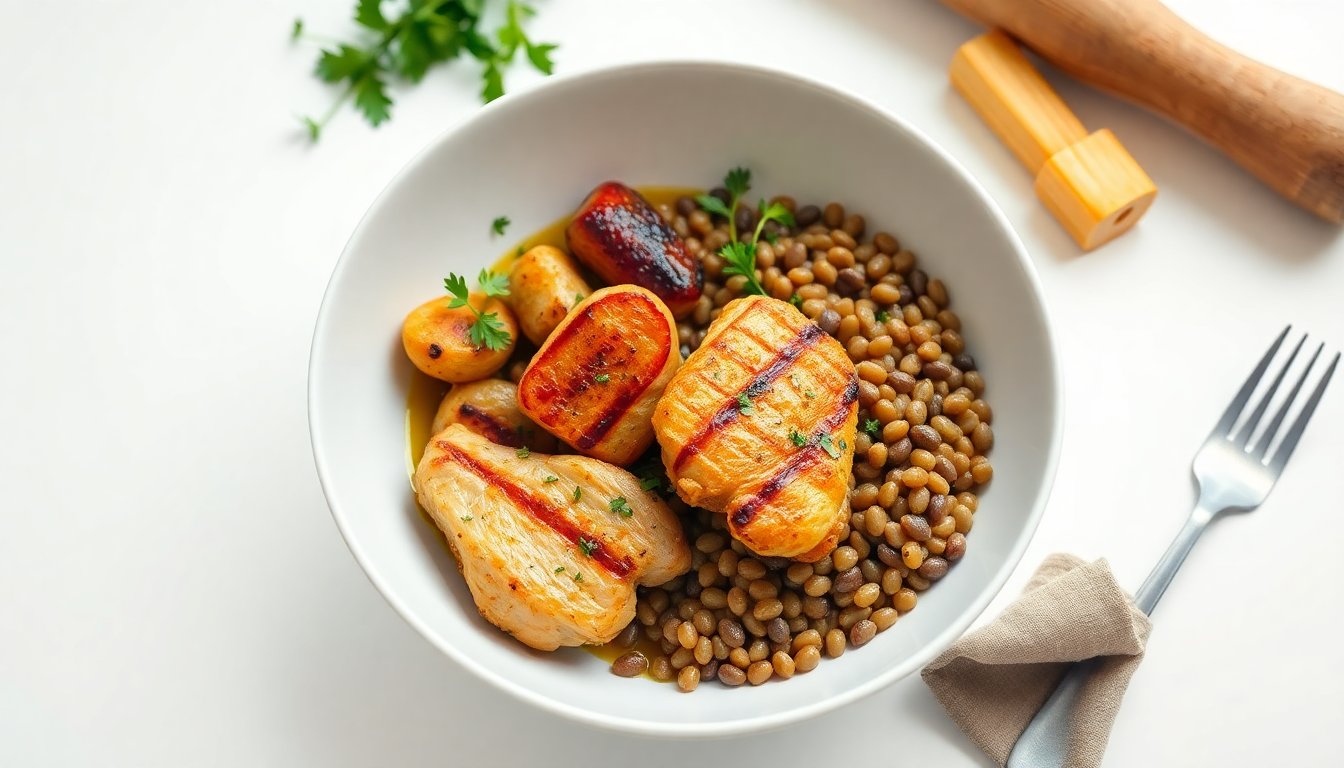
If you can get past the idea that chicken is a dinner food, this becomes one of the most powerful PCOS breakfasts you can eat. 180g pre-cooked chicken breast (about 40g protein), half an avocado, cherry tomatoes, a drizzle of olive oil, and sea salt. That's it. Batch cook chicken on Sundays and this takes two minutes to assemble. The simplicity is the point — no glucose spike, no insulin surge, hours of satiety.
8. Tuna and avocado bowl (43g protein)
One can of tuna in water (25g protein) mixed with half an avocado, diced cucumber, red onion, lemon juice, and fresh herbs — served over a bed of baby spinach. Tuna is frequently overlooked in PCOS breakfast lists because it doesn't feel like a "breakfast food", but it's one of the most protein-dense, budget-friendly options available. The omega-3 content in tuna (particularly EPA and DHA) works alongside the anti-inflammatory fats in avocado to suppress the inflammatory markers chronically elevated in PCOS. Add 2 hard-boiled eggs on the side and you're at 43g protein with almost zero glucose impact.
9. Cottage cheese pancakes (37g protein)
Blend 200g full-fat cottage cheese, 2 whole eggs, 30g oat flour, and a pinch of cinnamon until smooth. Cook on a non-stick pan in small rounds — they behave like pancakes but have a completely different nutritional profile. Serve with a handful of berries and a drizzle of almond butter. The oat flour contributes a small amount of low-GI carbohydrate, but the dominant macronutrient is protein (from cottage cheese and eggs). These are genuinely enjoyable, and work equally well made in batches and reheated. The cinnamon does more than flavour — some research suggests it may help improve insulin sensitivity, though the evidence is still emerging.
10. Sardine and egg open bowl (40g protein)
Two whole eggs scrambled with a tin of sardines in olive oil (about 20g protein), wilted rocket, capers, and lemon zest. Sardines might sound unusual at breakfast, but they're one of the most nutritionally complete foods for PCOS: loaded with omega-3s, calcium, vitamin D, vitamin B12, and selenium — most of which are commonly deficient in PCOS women. The flavour is strong; if you're new to sardines, start with a milder brand in spring water and build up. A 90g tin delivers around 1.4g of EPA+DHA omega-3 — a meaningful therapeutic dose for PCOS.
Why the specific ingredients matter for PCOS
Every ingredient in the breakfasts above was chosen for a reason beyond protein content. Understanding why makes it easier to build your own variations.
Eggs (with yolk)
One of the most complete PCOS foods. The yolk contains choline — critical for liver function and oestrogen metabolism — and vitamin D, which is deficient in the majority of PCOS women and directly linked to insulin sensitivity. Egg whites alone miss most of the PCOS-specific benefit. The fat in the yolk also slows gastric emptying, contributing to the extended satiety that high-protein PCOS breakfasts provide.
Smoked salmon and sardines
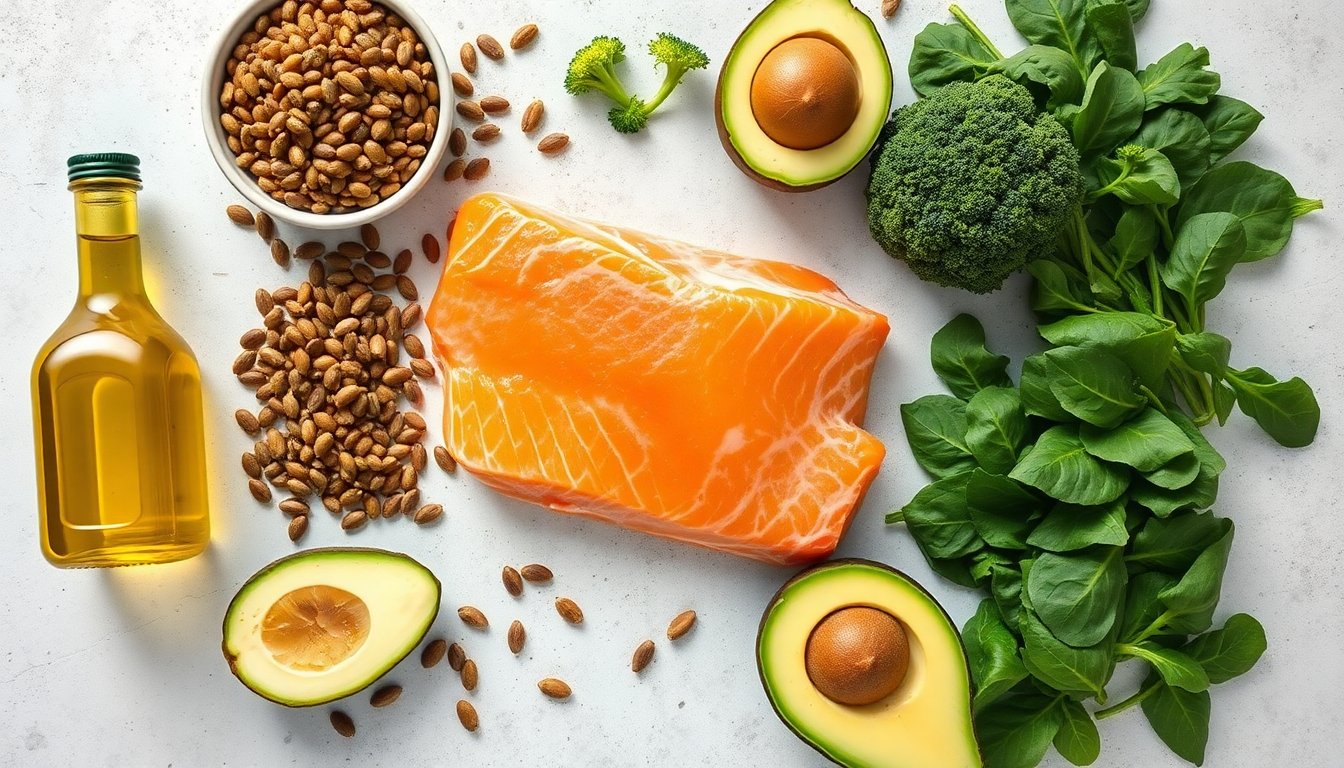
Fatty fish are the richest food source of EPA and DHA omega-3 fatty acids. These suppress TNF-alpha and IL-6 — the inflammatory cytokines chronically elevated in PCOS — and improve adiponectin, a fat-metabolism hormone typically low in PCOS women. Fatty fish also provide vitamin D, which improves insulin receptor sensitivity and reduces androgen levels in deficient PCOS women.
Plain Greek yogurt (2% fat)
Provides 17–20g protein per 200g serving, contains probiotics that support the gut microbiome (which independently influences oestrogen clearance and inflammation in PCOS), and has a low glycaemic impact. The 2% fat version is preferable to full-fat for volume eating, but full-fat works equally well. The key requirement: plain, unsweetened. Flavoured and low-fat versions contain 20–30g of added sugar per serving.
Cottage cheese
Among the highest leucine-content dairy foods available. Leucine is the amino acid that most strongly stimulates muscle protein synthesis through the mTOR pathway — which matters in an insulin-resistant PCOS context where muscle glucose uptake is impaired. 200g of full-fat cottage cheese provides around 22g of protein at roughly 200 kcal, making it one of the most protein-efficient foods in a PCOS breakfast plan.
Avocado
The oleic acid in avocado is the same anti-inflammatory monounsaturated fat in olive oil. It slows gastric emptying (blunting glucose absorption from any carbohydrates in the meal), reduces LDL oxidation, and provides fat-soluble vitamins required for hormone synthesis. The fibre content in a half avocado (4–5g) contributes to the fibre target that supports oestrogen clearance and gut health in PCOS.
Chia seeds and ground flaxseed
Both provide soluble fibre (which slows glucose absorption and feeds beneficial gut bacteria), omega-3 ALA, and — in the case of flaxseed — SDG lignans that increase SHBG and inhibit 5α-reductase, reducing the biological activity of excess testosterone. One tablespoon of ground flaxseed per day is the target. The word "ground" matters: whole flaxseeds pass through undigested. Add either to Greek yogurt, protein overnight oats, or smoothies.
What to eat with your high-protein PCOS breakfast
Every PCOS breakfast should follow what nutrition researchers call the Protein-Fat-Fibre rule: lead with protein, include a healthy fat (avocado, olive oil, nuts, or eggs), and pair with fibre-rich vegetables or seeds. This combination does three things: it blunts the post-meal glucose rise, triggers satiety hormones, and slows gastric emptying so energy is released gradually over hours rather than in one spike.
What to avoid: fruit juice can spike blood sugar almost as quickly as a soft drink, with little of the fibre that slows digestion in whole fruit. Whole fruit in small amounts is fine alongside protein. Toast on its own, low-protein smoothies, granola, and most yogurts marketed as "healthy" tend to be high in carbs and low in protein — the opposite of what PCOS needs.
What if you fast and skip breakfast entirely?
Many women with PCOS practise intermittent fasting — typically 16:8, eating from noon to 8pm. If you're in this category, you don't eat breakfast in the traditional sense. But everything described in this article still applies to your first meal, regardless of timing.
Your noon "breakfast" (first meal of the day) should follow the same Protein-Fat-Fibre structure as the ideas above. The same protein targets apply — 35–45g of protein at your first meal is critical for blood sugar stability throughout your eating window and for hitting your daily target. A smoked salmon and egg scramble at noon is a breakfast by metabolic definition, even if the clock says lunchtime.
One adjustment worth making if you fast: your first meal should be eaten within 30–60 minutes of breaking the fast rather than grazing. A large, structured first meal breaks the fast more cleanly and sets a better hormonal baseline for the rest of the eating window than nibbling slowly into food.
Practical tips for making high-protein breakfasts sustainable
Making high-protein breakfasts consistent comes down to preparation. What actually works at 7am (or noon for those who fast):
Sunday batch prep (30–45 minutes, feeds the whole week)
- Hard-boil 8–10 eggs — store in the fridge, peel as needed. Instant protein for 5 days.
- Roast or poach a full tray of chicken — slice and refrigerate. Chicken and avocado bowl takes 2 minutes to assemble.
- Make 5 portions of protein overnight oats — prep on Sunday, eat through Friday with no morning effort.
- Portion Greek yogurt and toppings into small containers — grab and mix in the morning.
Weekly staples to keep in stock
- Plain 2% Greek yogurt (1–2 large tubs)
- Full-fat cottage cheese (500g–1kg)
- Smoked salmon (kept in the freezer, thaw overnight)
- Eggs (12–18 per week for most PCOS breakfast plans)
- Canned sardines and tuna (shelf-stable, zero prep)
- Avocados (keep unripe ones on the counter, ripe ones in the fridge)
- Chia seeds and ground flaxseed (add to anything)
- Blueberries (frozen works equally well and is cheaper)
References
- Wang JG, Anderson RA, Graham GM 3rd, et al. (2007). The effect of cinnamon extract on insulin resistance parameters in polycystic ovary syndrome: a pilot study. Fertility and Sterility, 88(1):240–243. PubMed ↗
If you have PCOS or PMOS (Premenstrual Ovulatory Syndrome, a related hormonal condition) and are making dietary changes, it's always worth talking to a registered dietitian or your doctor, particularly if you're managing other conditions alongside it. The guidance here is general — individual needs vary. If you're trying to conceive, consult your doctor before following restrictive eating patterns, as these may affect fertility.
What a high-protein PCOS breakfast actually changes
Starting the day with 35–45g of protein gives your hormonal system a different baseline — blood sugar stays stable, insulin doesn't spike, and hunger shows up at predictable times instead of crashing at 10am. Standard supermarket ingredients, no supplements.
If you're not sure how to build a full week of meals around these principles — with the right macros, fasting window, and your specific PCOS profile — that's exactly what HerMeal does.
Frequently asked questions
Get a meal plan built around this
Generate your personalised 5-day PCOS & PMOS plan free — high protein, hormone-balancing, built around your fasting window and profile.
Start free trial