PCOS Hair Loss: The Diet Strategy That Actually Helps
PCOS-related hair thinning has two separate causes that most advice only partially addresses. Fixing both through diet is possible — but requires understanding what you're actually treating.
Hair loss in PCOS is one of the most emotionally distressing symptoms — and also one of the most misunderstood. The standard advice to "check your iron" is correct but incomplete. PCOS hair loss is primarily androgenic: elevated DHT (dihydrotestosterone) miniaturises scalp follicles over months and years, producing the characteristic pattern of thinning across the crown and temples. Iron deficiency accelerates this and creates its own diffuse shedding on top of the androgenic component. Addressing only one without the other — as most guides do — explains why so many women with PCOS try iron supplements for months without seeing meaningful improvement. This guide covers the full dietary strategy for both mechanisms.
Key Takeaways
- PCOS hair loss is primarily driven by DHT (elevated androgens), not just iron deficiency
- Ferritin (stored iron) below 70 mcg/L impairs hair growth even when haemoglobin is normal
- A low-GI, high-protein diet reduces the insulin-androgen cycle driving DHT production
- 5-alpha-reductase inhibiting foods (pumpkin seeds, green tea, spearmint) reduce DHT at the follicle level
- Adequate zinc (≥8mg/day from food) supports both androgen balance and follicle repair
- Biotin supplements do not help unless you are genuinely biotin-deficient — and they interfere with hormone blood tests
- Dietary changes take 3–6 months to show visible hair results — realistic timelines matter
In this article
Why PCOS causes hair loss
The hair loss pattern most common in PCOS is female androgenic alopecia (FPHL) — diffuse thinning across the crown and parting, sometimes with frontal recession, that follows a distinct androgen-sensitive distribution. It is caused by dihydrotestosterone (DHT) binding to androgen receptors in genetically susceptible scalp hair follicles and triggering follicular miniaturisation.
Here is how this process works:
- The enzyme 5-alpha-reductase (present in scalp skin) converts circulating testosterone to DHT
- DHT binds to androgen receptors in susceptible follicles (typically those on the crown and frontal scalp)
- Over successive hair cycles, DHT shortens the anagen (growth) phase and extends the telogen (resting) phase
- Each new hair grows shorter and finer than the previous one — this is miniaturisation
- Eventually, the follicle produces only fine vellus (peach fuzz) hair, then becomes dormant
In PCOS, elevated free testosterone and elevated 5-alpha-reductase activity in the scalp both contribute to this process. The androgen sensitivity of individual follicles is genetic — which is why not all women with PCOS experience severe hair loss, and why two women with the same testosterone levels can have very different hair outcomes.
A second mechanism — telogen effluvium — is also common in PCOS and looks different from androgenic alopecia. Telogen effluvium is diffuse, global shedding triggered by physiological stress: iron deficiency, extreme calorie restriction, illness, or crash dieting. It produces handfuls of shed hair (usually with a white telogen bulb at the root) rather than the gradual thinning pattern of androgenic alopecia. Both can occur simultaneously in PCOS.
The iron and ferritin piece
PCOS and iron deficiency are frequently co-occurring for a specific reason: women with PCOS often have infrequent but extremely heavy periods, because the endometrium builds up over a longer cycle and sheds more blood when the period finally comes. This chronic blood loss depletes iron stores over time.
The critical test is serum ferritin — not haemoglobin. Ferritin measures stored iron; haemoglobin measures iron in circulation. Hair follicles are one of the first tissues to lose iron access when stores decline, because the body prioritises iron for red blood cell production. A woman can have a normal haemoglobin (not anaemic) but have ferritin at 15–20 mcg/L — technically "normal" by laboratory reference ranges — and this is insufficient to support healthy hair growth.
Dermatological consensus places the threshold for hair growth at ferritin ≥70 mcg/L — and ideally 80–100 mcg/L. If your GP says your ferritin is "normal," ask for the specific number. The difference between a ferritin of 18 and a ferritin of 80 is enormous for hair follicle function, even though both may be within the laboratory's reference range.
Dietary iron for PCOS hair loss
Dietary iron exists in two forms with very different absorption rates:
- Haem iron (animal sources): absorbed at 15–35% — found in red meat, liver, chicken thigh, fish
- Non-haem iron (plant sources): absorbed at 2–20%, highly variable — found in lentils, chickpeas, tofu, dark leafy greens, pumpkin seeds, fortified cereals
To build ferritin effectively through diet, prioritise haem iron sources (particularly lean red meat 2–3 times per week) and pair all plant-based iron sources with vitamin C — vitamin C converts non-haem iron from its ferric (Fe³⁺) to ferrous (Fe²⁺) form, which is the absorbable form, increasing non-haem absorption up to threefold. Squeeze lemon over lentils, add red pepper to spinach salads, or eat an orange with your iron-fortified oats.
Conversely, calcium, tannins (in tea and coffee), and polyphenols reduce non-haem iron absorption. Avoid drinking tea or coffee within an hour of iron-rich meals if ferritin is low.
The insulin-androgen connection
The dietary intervention most people miss for PCOS hair loss is insulin management. Hyperinsulinaemia — chronically elevated insulin from a high-glycaemic diet — is one of the primary drivers of ovarian androgen overproduction in PCOS. Here is the chain:
- High-GI meals spike blood glucose pancreas secretes excess insulin
- Elevated insulin stimulates ovarian theca cells to produce androstenedione and testosterone
- Elevated insulin also suppresses sex hormone-binding globulin (SHBG) production in the liver
- Less SHBG means more free testosterone available for conversion to DHT
- More DHT = faster follicle miniaturisation
This means that a low-GI, high-protein diet — the standard evidence-backed approach to PCOS insulin management — is simultaneously the most impactful dietary intervention for PCOS-related hair loss. Reducing postprandial insulin spikes lowers the substrate for DHT production at the source. This is why the dietary approach to PCOS hair loss is not really separate from the dietary approach to PCOS generally — they share the same upstream mechanism.
Foods that support PCOS hair health
High-protein foods
Hair follicles are among the most metabolically active tissues in the body. Hair itself is made primarily of keratin — a structural protein — and the cells at the follicle base (the matrix cells) divide rapidly and require a continuous supply of amino acids. Inadequate protein intake directly impairs the anagen growth phase and can trigger telogen effluvium. Women with PCOS who are also restricting calories frequently undereat protein.
Target: at least 1.2g of protein per kg of body weight daily. Best sources for PCOS hair health specifically include:
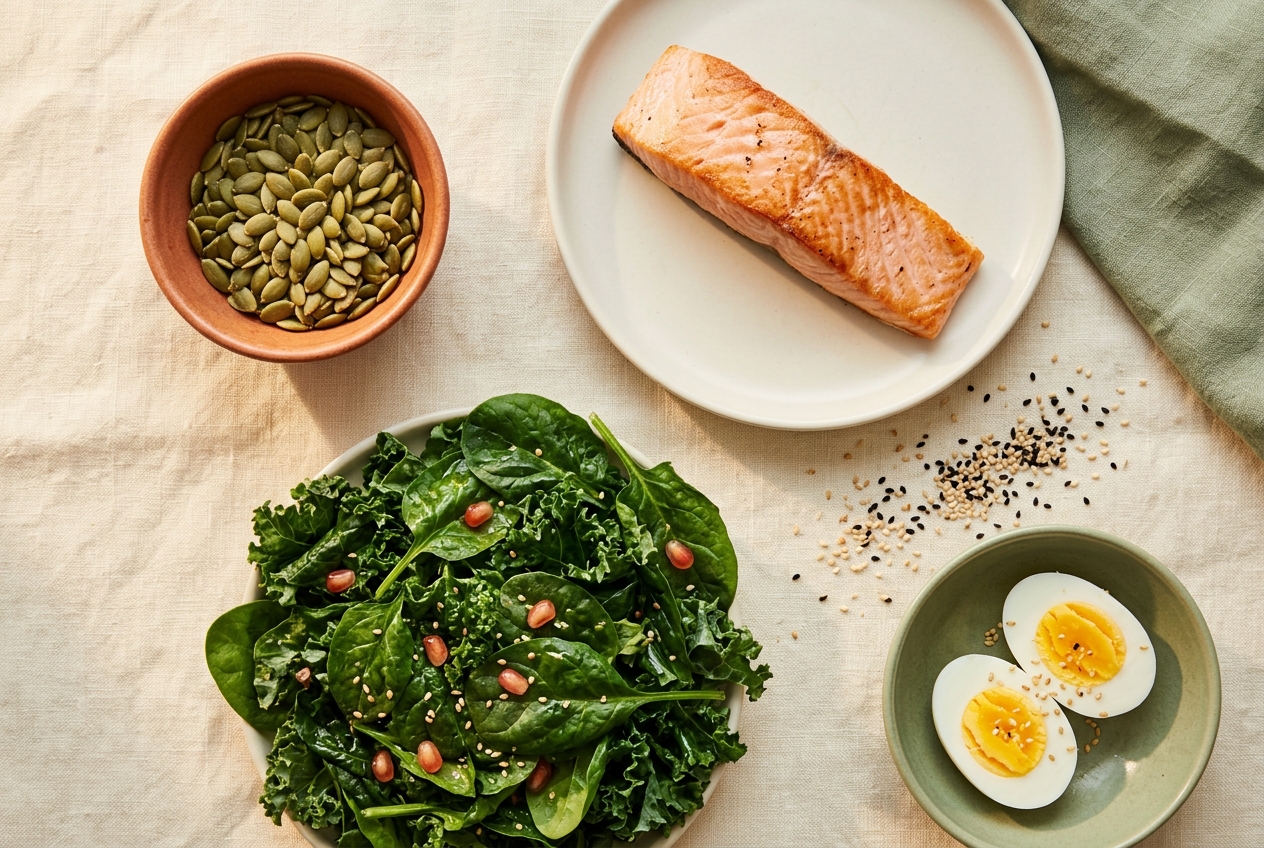
- Eggs — complete amino acid profile, contain biotin (from food, not supplements), sulphur amino acids essential for keratin synthesis
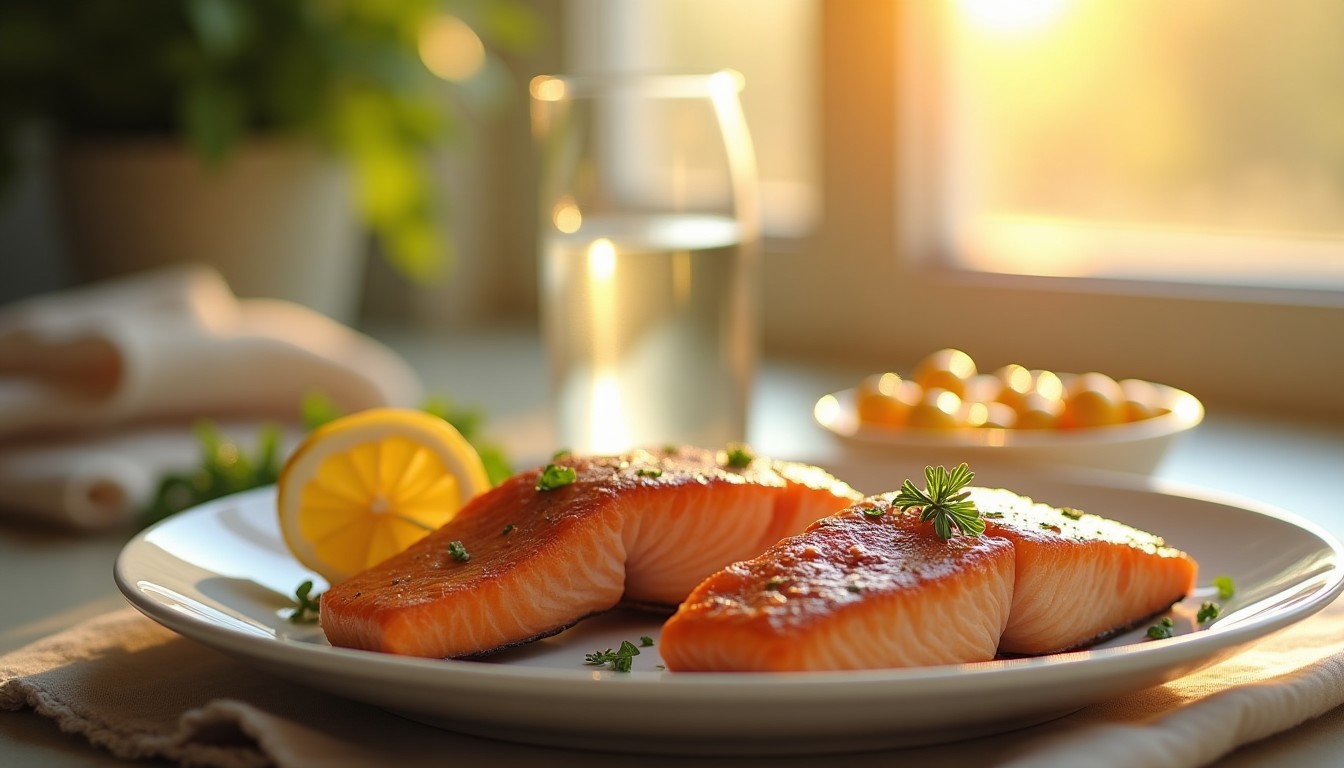
- Salmon and oily fish — protein + omega-3 fatty acids, which reduce scalp inflammation; omega-3 deficiency is associated with hair shedding
- Lean red meat — haem iron + zinc + protein, the combination most directly relevant to PCOS hair loss
- Greek yoghurt and cottage cheese — high protein, moderate GI, good source of cysteine (a key sulphur amino acid for keratin)
- Legumes — non-haem iron + protein + zinc + fibre; pair with vitamin C to optimise iron absorption
Omega-3 fatty acids
Omega-3 fatty acids (found in oily fish, walnuts, flaxseed, and chia seeds) reduce scalp inflammation and support sebum production — both relevant to follicle health. Chronic low-grade inflammation is now recognised as a component of PCOS pathophysiology, and scalp inflammation in particular is associated with accelerated androgenic alopecia. Omega-3s also improve insulin sensitivity, providing a secondary benefit for the androgen reduction pathway.
Foods that lower DHT
Several foods contain compounds that inhibit 5-alpha-reductase — the enzyme converting testosterone to DHT — and can modestly reduce DHT at the follicle level through dietary intake:
Pumpkin seed oil and pumpkin seeds
Pumpkin seeds are one of the most evidence-cited dietary 5-alpha-reductase inhibitors. They are rich in delta-7-sterols that compete with DHT at the androgen receptor and have demonstrated activity against type II 5-alpha-reductase in laboratory studies. One small RCT conducted exclusively in men with androgenetic alopecia found pumpkin seed oil significantly improved hair count versus placebo (Cho et al. 2014). No equivalent trial has been conducted in women, so any benefit in female PCOS-related hair loss is extrapolated from this male study — promising, but not yet directly proven. A daily portion of pumpkin seeds (about 30g) is an accessible addition to a PCOS hair loss diet.
Spearmint tea
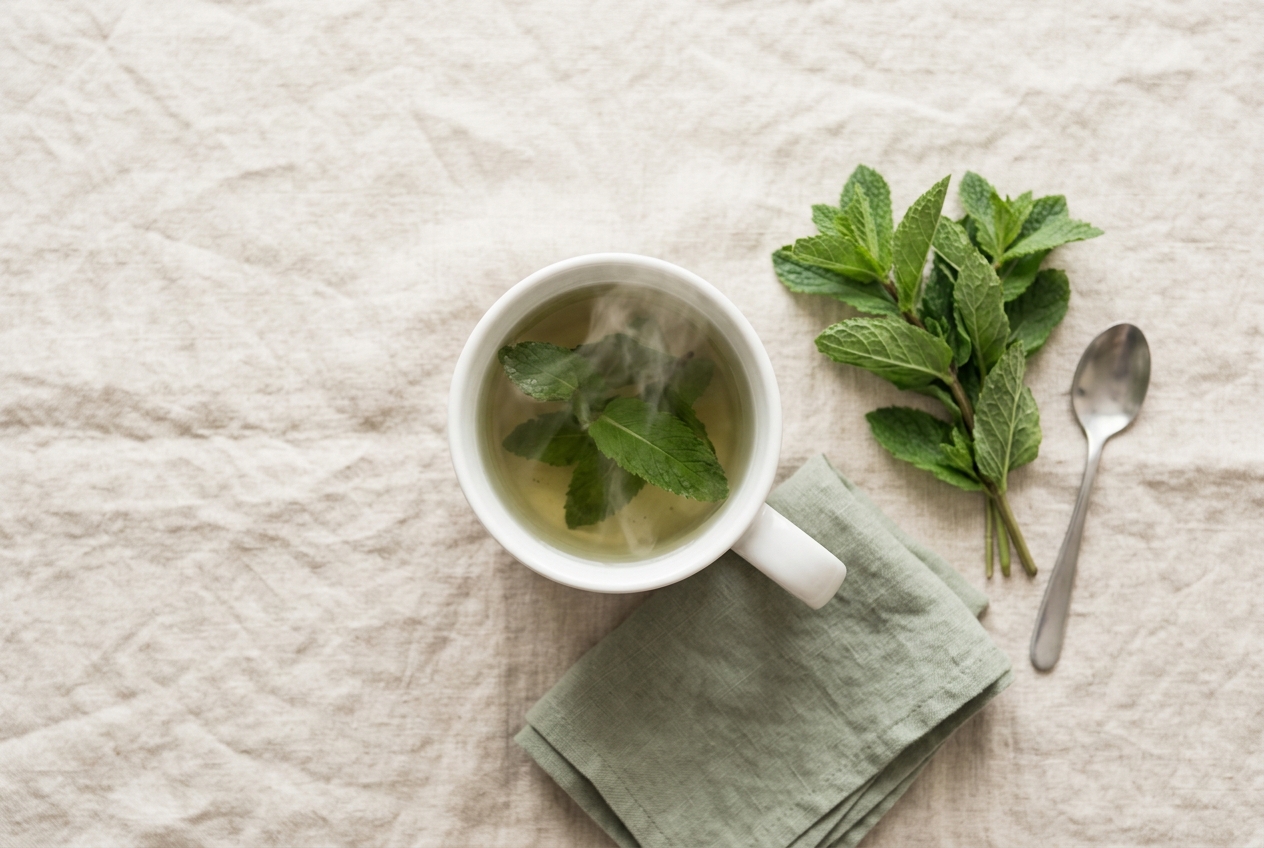
As covered in detail in our spearmint tea article, two cups of spearmint tea daily has demonstrated anti-androgenic effects in clinical trials — reducing free testosterone through rosmarinic acid and flavonoid-mediated inhibition of 5-alpha-reductase. While the clinical trials focused on hirsutism, the DHT reduction mechanism applies equally to scalp hair loss. Two cups of spearmint tea daily is a low-risk addition.
Green tea (EGCG)
Epigallocatechin gallate (EGCG), the primary catechin in green tea, has demonstrated 5-alpha-reductase inhibitory activity in in-vitro studies and anti-androgenic properties in animal models. Human clinical data for hair loss specifically is limited, but as a low-GI, low-risk addition to a PCOS diet, green tea has multiple relevant benefits: insulin sensitising, anti-inflammatory, and potentially anti-androgenic.
Lycopene-rich foods
Lycopene (found in tomatoes, watermelon, pink grapefruit) has shown 5-alpha-reductase inhibitory activity in cell studies and is associated with reduced DHT levels in some observational data. Cooking tomatoes increases lycopene bioavailability — tomato sauce and passata are better lycopene sources than raw tomatoes.
Key nutrients for hair follicles
| Nutrient | Role in hair health | Best dietary sources | PCOS relevance |
|---|---|---|---|
| Iron / Ferritin | Anagen phase support; follicle oxygenation | Red meat, chicken, lentils, dark leafy greens | Often depleted by heavy PCOS periods |
| Zinc | 5-alpha-reductase inhibitor; follicle repair; keratin synthesis | Oysters, red meat, pumpkin seeds, chickpeas | Often deficient in PCOS; supports androgen balance |
| Protein / Amino acids | Keratin building block; anagen phase support | Meat, fish, eggs, legumes, dairy | Undereating protein is common in PCOS with weight management |
| Vitamin D | Follicle cycling; receptor expression | Oily fish, fortified foods, sun exposure | Very commonly deficient in PCOS — see dedicated article |
| Omega-3 | Anti-inflammatory; scalp health; insulin sensitivity | Salmon, mackerel, walnuts, chia, flaxseed | Reduces PCOS inflammation and improves insulin sensitivity |
| Biotin | Keratin synthesis — but only if genuinely deficient | Eggs, liver, nuts, seeds | Supplements interfere with hormone blood tests; not useful unless deficient |
Zinc deserves special mention
Zinc is particularly relevant for PCOS hair loss for two reasons. First, it is a known inhibitor of 5-alpha-reductase — meaning adequate dietary zinc directly reduces DHT production at the tissue level. Second, zinc is commonly deficient in PCOS, and zinc deficiency independently causes hair loss through impaired follicle cell division and DNA repair. The dietary target is 8mg per day for women (the RDA), though therapeutic levels studied in hair loss research are higher (25–40mg/day from supplements). Getting zinc from food — oysters, red meat, pumpkin seeds, chickpeas — is preferable to supplements at these levels to avoid competing with copper absorption.
Foods that worsen PCOS hair loss
High-glycaemic foods
Refined sugars, white bread, sweetened drinks, pastries, and other high-GI foods drive insulin spikes that stimulate ovarian androgen production and suppress SHBG — directly worsening the DHT load on hair follicles. This is the most impactful category to address.
Skim and low-fat dairy in large portions
Skim milk has a higher insulinogenic effect than full-fat dairy and contains more IGF-1 (insulin-like growth factor), which stimulates sebum and androgen production. Full-fat dairy in moderate portions is a better choice for PCOS; large glasses of skim milk and low-fat fruit yoghurt are among the highest-GI dairy choices and should be limited.
Alcohol
Alcohol impairs liver clearance of oestrogen and androgens, disrupts sleep quality (which affects growth hormone and cortisol cycles), and directly suppresses zinc absorption. All three mechanisms worsen PCOS hair loss. Even moderate alcohol intake has a measurable effect on androgen clearance in women with PCOS.
Very low-calorie diets
Crash dieting and severe calorie restriction trigger telogen effluvium — rapid, diffuse hair shedding that occurs 2–4 months after a nutritional stress event. This is one of the most common causes of sudden hair loss in women with PCOS who are trying to lose weight quickly. The hair loss from crash dieting typically reverses within 6 months of resuming adequate eating, but the anxiety it causes is significant. A moderate caloric deficit (500 kcal/day below maintenance) paired with adequate protein is far safer for hair than a severe restriction.
Supplements worth considering for PCOS hair loss
These supplements have the strongest rationale for PCOS-related hair loss — but food sources should be prioritised first:
- Iron (with GP guidance only): If ferritin is below 70 mcg/L, supplemental iron may be needed alongside dietary iron — particularly ferrous sulphate or ferrous bisglycinate (better tolerated). Do not self-supplement iron without testing; excess iron is pro-oxidant and damaging.
- Zinc (up to 25mg/day): If dietary intake is insufficient, zinc gluconate or zinc picolinate are well-tolerated. Take with food to reduce nausea, and not within 2 hours of iron supplementation (they compete for absorption).
- Myo-inositol (2g twice daily): The strongest overall PCOS supplement — reduces insulin resistance and androgen levels via a mechanism that upstream reduces DHT substrate. Directly relevant to hair loss. See our full inositol guide.
- Vitamin D (1,000–2,000 IU/day): Most women with PCOS are deficient; vitamin D receptors in hair follicles are required for follicle cycling. Supplement if blood level is below 75 nmol/L. See our vitamin D article.
- Spearmint tea (2 cups/day): Anti-androgenic via 5-alpha-reductase inhibition; low risk; can be used alongside all other interventions.
Realistic timelines
This is the section most guides omit, and its omission causes enormous frustration. Hair operates on a slow biological clock:
- Blood markers (ferritin, testosterone, insulin): can show meaningful improvement within 4–12 weeks of consistent dietary and supplemental changes
- Shedding reduction: typically takes 3–4 months from the point when androgen levels actually drop — because shedding today reflects follicle signalling from 3–4 months ago
- New growth becoming visible: 4–6 months minimum from the point at which conditions improve; new hairs must grow from follicle base to visible length
- Miniaturised follicle regrowth: requires sustained androgen reduction over 6–12+ months; severely miniaturised follicles may not fully recover through diet alone and may benefit from topical minoxidil alongside dietary management
Set a 6-month horizon for assessment, not a 6-week one. Take a photograph of your parting under consistent lighting every month — it is very difficult to perceive gradual improvement without a visual record.
Get a PCOS meal plan tailored to your hair goals
HerMeal builds personalised 5-day PCOS meal plans that are high in protein, rich in hair-supportive nutrients, and low-GI — addressing the insulin-androgen cycle at the dietary level. Ready in minutes.
Start freeFrequently Asked Questions
What causes hair loss in PCOS? ▼
PCOS-related hair loss is primarily caused by elevated DHT — the potent androgen converted from testosterone by 5-alpha-reductase. DHT miniaturises scalp hair follicles over successive growth cycles, producing the characteristic crown-and-parting thinning pattern. Iron deficiency is a common compounding factor, as heavy PCOS periods deplete iron stores, and low ferritin impairs the hair growth cycle independently of androgens. Addressing both mechanisms is the most effective dietary approach.
What should I eat to stop PCOS hair loss? ▼
Focus on three dietary pillars: (1) Foods that reduce DHT — pumpkin seeds, spearmint tea, green tea, and lycopene-rich tomatoes; (2) Foods that restore iron and ferritin — lean red meat, eggs, lentils paired with vitamin C; (3) A low-glycaemic, high-protein diet that reduces hyperinsulinaemia, which drives ovarian DHT precursor production. Adequate protein (at least 1.2g per kg body weight) is also essential for hair follicle keratin synthesis.
What is the best iron level for PCOS hair loss? ▼
Serum ferritin is more relevant than haemoglobin for hair loss. Dermatological consensus recommends ferritin at least 70 mcg/L for optimal hair follicle function. Standard laboratory "normal" ranges often go as low as 12–15 mcg/L — sufficient to prevent anaemia, but insufficient for hair regrowth. If your GP says your ferritin is "normal," ask for the actual number.
Does reducing insulin help PCOS hair loss? ▼
Yes — improving insulin sensitivity is one of the most impactful dietary interventions for PCOS-related hair loss. Hyperinsulinaemia stimulates ovarian androgen production and suppresses SHBG, increasing free testosterone available for DHT conversion. A low-glycaemic, high-protein diet directly reduces this upstream driver of androgenic alopecia in PCOS.
Is protein important for PCOS hair loss? ▼
Yes — hair follicles are highly metabolically active and hair is made of keratin (a protein). Inadequate dietary protein directly impairs the anagen growth phase and can trigger telogen effluvium (diffuse shedding). A minimum of 1.2g of protein per kg of body weight daily is recommended, with adequate variety across animal and plant sources.
What foods make PCOS hair loss worse? ▼
High-glycaemic foods (refined sugar, white bread, sweetened drinks) drive insulin spikes that worsen androgen production. Large portions of skim dairy have a high insulinogenic effect. Alcohol impairs androgen clearance and zinc absorption. Very low-calorie diets trigger telogen effluvium — rapid diffuse shedding 2–4 months after the dietary stress event.
How long does it take for diet to help PCOS hair loss? ▼
Blood markers (ferritin, testosterone, insulin) can improve within 4–12 weeks. Shedding reduction typically takes 3–4 months from when androgen levels actually drop. Visible new growth takes 4–6 months minimum. Set a 6-month assessment horizon and take monthly reference photos to track progress — gradual improvement is very difficult to perceive without a visual record.
Does biotin help PCOS hair loss? ▼
Biotin supplements do not help PCOS hair loss unless you are genuinely biotin-deficient — which is uncommon in people eating a varied diet. More importantly, high-dose biotin supplements interfere with immunoassay-based laboratory tests including thyroid hormones and sex hormone panels. If you take biotin, stop it at least 48 hours before any blood tests. Get biotin from food (eggs, nuts, seeds) rather than supplements.
References
- Trost LB, Bergfeld WF, Calogeras E. (2006). The diagnosis and treatment of iron deficiency and its potential relationship to hair loss. Journal of the American Academy of Dermatology. pubmed.ncbi.nlm.nih.gov/16635664
- Rushton DH. (2002). Nutritional factors and hair loss. Clinical and Experimental Dermatology. pubmed.ncbi.nlm.nih.gov/12190640
- Cho YH, et al. (2014). Effect of pumpkin seed oil on hair growth in men with androgenetic alopecia: a randomized, double-blind, placebo-controlled trial. Evidence-Based Complementary and Alternative Medicine. pubmed.ncbi.nlm.nih.gov/25210332
- Grant P. (2010). Spearmint herbal tea has significant anti-androgen effects in polycystic ovarian syndrome. A randomized controlled trial. Phytotherapy Research. pubmed.ncbi.nlm.nih.gov/19585478
- Almohanna HM, et al. (2019). The role of vitamins and minerals in hair loss: a review. Dermatology and Therapy. pubmed.ncbi.nlm.nih.gov/30547302
- Teede HJ, et al. (2023). Recommendations from the 2023 international evidence-based guideline for the assessment and management of polycystic ovary syndrome. Human Reproduction. pubmed.ncbi.nlm.nih.gov/37580037