How to Lose Weight with PCOS: What Actually Works
Why calorie restriction consistently fails PCOS — and the macronutrient-first approach backed by the research.
Every PCOS weight loss article starts the same way: eat less, move more, be patient. And every woman with PCOS reading it thinks the same thing: I've tried that. It doesn't work. She's right. Standard calorie restriction fails PCOS for a specific biological reason — it doesn't address insulin resistance, which is the mechanism driving fat storage, hunger, and metabolic slowdown in the first place. This article is about what actually works: a framework that targets the root cause rather than the symptom.
Key Takeaways
- Insulin resistance — not willpower — is why standard dieting fails PCOS women
- High protein (130–140g/day) is the single most impactful dietary change for PCOS weight loss
- Resistance training builds insulin-sensitive muscle tissue; excessive cardio raises cortisol and can backfire
- A 5–10% reduction in body weight significantly restores hormonal balance, cycle regularity, and fertility
- Most women see meaningful changes in 8–12 weeks with the right approach — not 2–4 weeks like standard dieting promises
In This Article
- Why standard dieting fails with PCOS
- The insulin-weight gain cycle
- Protein: the cornerstone of PCOS weight loss
- Carbohydrates: quality over quantity
- Fat and fibre: your stabilisers
- Exercise: what works and what backfires
- Intermittent fasting and PCOS weight loss
- A sample week of eating
- How long it actually takes
- Frequently asked questions
Why standard dieting fails with PCOS
The conventional advice for weight loss — eat less, move more — is built on the calorie-in calorie-out (CICO) model. In theory, a calorie deficit forces the body to burn stored fat. In practice, CICO fails PCOS women consistently, and the reason is not lack of discipline. It is biology.
The central problem is insulin resistance. In a healthy metabolic state, insulin is released after eating to shuttle glucose into cells. In insulin resistance, cells stop responding to this signal, so the pancreas compensates by pumping out more insulin. Chronically elevated insulin — hyperinsulinaemia — is the dominant metabolic feature of PCOS, present in 50–70% of women with the condition regardless of body weight. And insulin is the primary fat-storage hormone. When insulin is elevated, fat mobilisation is suppressed: the body cannot access stored body fat for energy even when calorie intake is reduced.
There is a second, compounding mechanism. When you cut calories without addressing insulin, the body perceives the restriction as a physiological stressor. Cortisol rises in response. Elevated cortisol does two things that are particularly damaging in PCOS: it stimulates adrenal androgen production (the adrenal glands produce testosterone in response to cortisol), and it worsens insulin resistance directly by interfering with insulin receptor signalling. So calorie restriction without a strategy to lower insulin can actually accelerate the hormonal dysfunction it is trying to fix.
A third mechanism explains why low-fat, low-calorie diets are particularly ineffective. When fat is removed from the diet, carbohydrates fill the gap — because protein and fat are inherently satiating, and removing fat makes food unpalatable without adding carbohydrate. A higher carbohydrate proportion means a higher insulin burden at every meal. The result: fat mobilisation remains suppressed throughout the day, even in a meaningful calorie deficit.
The clinical evidence confirms what PCOS women experience anecdotally. Multiple controlled studies comparing women with and without PCOS at identical calorie deficits consistently find that PCOS women lose weight significantly more slowly — not because they cheat more, but because their metabolic environment makes fat mobilisation genuinely harder. One study found that PCOS women needed to sustain a greater calorie deficit to achieve the same rate of weight loss as controls, despite identical adherence. The implication is clear: the intervention needs to change, not the effort level.
The solution is not to give up on calorie balance but to stop using calorie restriction as the primary lever. Addressing insulin resistance first — through protein targets, carbohydrate quality, resistance training, and meal timing — creates the hormonal environment in which calorie balance can actually work. The rest of this article explains how.
The insulin-weight gain cycle
Understanding exactly how insulin drives fat storage in PCOS clarifies why the standard approach fails and why the macronutrient-first approach works. The mechanism is worth spending time on.
Insulin is not just a blood sugar regulator — it is a fundamental metabolic switch. When insulin is high, the body is in storage mode: glucose is moved into cells for energy or converted to glycogen (and eventually fat) for storage, and fat cells are locked shut. Lipolysis — the breakdown of stored fat for energy — is directly suppressed by insulin. A single high-carbohydrate meal can keep insulin elevated enough to suppress fat burning for 3–4 hours. In a woman with insulin resistance eating three high-GI meals and two snacks per day, fat mobilisation may be suppressed for the majority of her waking hours, regardless of her calorie intake.
Hyperinsulinaemia also drives a secondary hormonal cascade that worsens body composition. High insulin suppresses the liver's production of sex hormone-binding globulin (SHBG), a protein that binds to testosterone in the bloodstream and keeps it inactive. Lower SHBG means more free (biologically active) testosterone circulating in the body. Free testosterone in excess drives the classic PCOS symptoms — acne, hair thinning, excess body hair — but it also independently worsens insulin resistance, creating a self-reinforcing cycle: high insulin low SHBG high free testosterone worsened insulin resistance higher insulin.
Elevated insulin also stimulates the ovaries to produce more testosterone directly, through a mechanism involving LH (luteinising hormone) receptor upregulation. High insulin amplifies the ovarian response to LH pulses, leading to excess ovarian androgen production alongside the adrenal contribution.
The good news from the research is disproportionately encouraging. Even a modest reduction in body weight — 5–10%, which for many women is just 4–7kg — produces measurable improvements in LH pulsatility, SHBG levels, free testosterone, and cycle regularity. The hormonal payoff from a small amount of weight loss in PCOS is substantially greater than in women without the condition, because every kilogram lost reduces insulin resistance, which then reduces androgen production, which further improves insulin sensitivity. The cycle can become virtuous in either direction.
This also explains why the quality of weight lost matters as much as the quantity. Losing muscle mass while dieting — which happens more readily in calorie-restricted women who are not eating enough protein — worsens the metabolic picture, because skeletal muscle is the primary site of insulin-mediated glucose disposal. Less muscle means lower insulin sensitivity at rest, which means the cycle continues even as weight falls. Protecting and building muscle while losing fat is not optional in PCOS — it is central to the strategy.
Protein: the cornerstone of PCOS weight loss
If there is a single dietary variable that matters most for PCOS weight loss, it is protein intake. Not calories. Not carbohydrates. Protein. The target is 130–140g per day, distributed across three meals of 35–45g each.
This number is higher than the general RDA (which is designed for maintenance in healthy adults) and higher than what most women with PCOS are currently eating. The research rationale is multi-layered.
How protein breaks the insulin-androgen cycle
Protein has a much lower insulinogenic effect than carbohydrates. When you eat a high-protein meal, gastric emptying slows — food moves through the stomach more gradually, which means glucose enters the bloodstream more slowly, and the insulin spike is blunted or eliminated entirely. Less insulin secreted at each meal means less total insulin exposure across the day, which means fat mobilisation is suppressed for fewer hours, SHBG stays higher, and free testosterone is lower. Getting protein right is not just about muscle — it is about improving the hormonal environment that PCOS disrupts.
Muscle preservation during calorie restriction
During any calorie deficit, the body draws on both fat and lean tissue for energy. How much of each is determined largely by protein intake. At low protein intakes (below 100g/day), a significant proportion of weight lost during calorie restriction is lean muscle mass — which reduces resting metabolic rate and worsens insulin sensitivity, making further weight loss progressively harder. At 130–140g/day, the vast majority of weight lost comes from fat, with lean mass preserved. This is the difference between losing weight and losing fat — and in PCOS, the distinction matters enormously.
Satiety and appetite regulation
Protein is the most satiating macronutrient. It stimulates the release of GLP-1 and PYY — gut hormones that signal satiety to the brain — more effectively than fat or carbohydrate. This matters practically: most women eating 130g of protein per day from whole food sources report significantly reduced hunger and carb cravings within 5–7 days of starting, without deliberately restricting calories. The dietary change manages appetite as a by-product, rather than requiring willpower to manage hunger on top of everything else.
Practical targets per meal
The 130–140g daily total is best approached as three meals of 35–45g each. Spreading protein intake evenly across meals also maximises muscle protein synthesis, because muscle tissue can only utilise a certain amount of amino acids per sitting — roughly 35–40g. Eating 80g at one meal and 20g at two others is less effective than three meals of even distribution.
| Protein source | Serving | Protein (g) | PCOS benefit |
|---|---|---|---|
| Chicken breast | 150g cooked | 45g | Lean, no insulin spike, versatile |
| Salmon | 150g | 34g | Omega-3s reduce inflammation |
| Greek yogurt (full-fat) | 200g | 20g | Probiotics, low-GI, calcium |
| Eggs (whole) | 3 large | 18g | Choline, vitamin D, all amino acids |
| Cottage cheese | 200g | 22g | Highest leucine content of dairy |
| Tuna (canned in water) | 1 can (120g) | 28g | Budget-friendly, omega-3s |
| Turkey mince | 150g cooked | 38g | Lean, zinc, B vitamins |
| Edamame | 1 cup | 17g | Fibre, plant protein, low-GI |
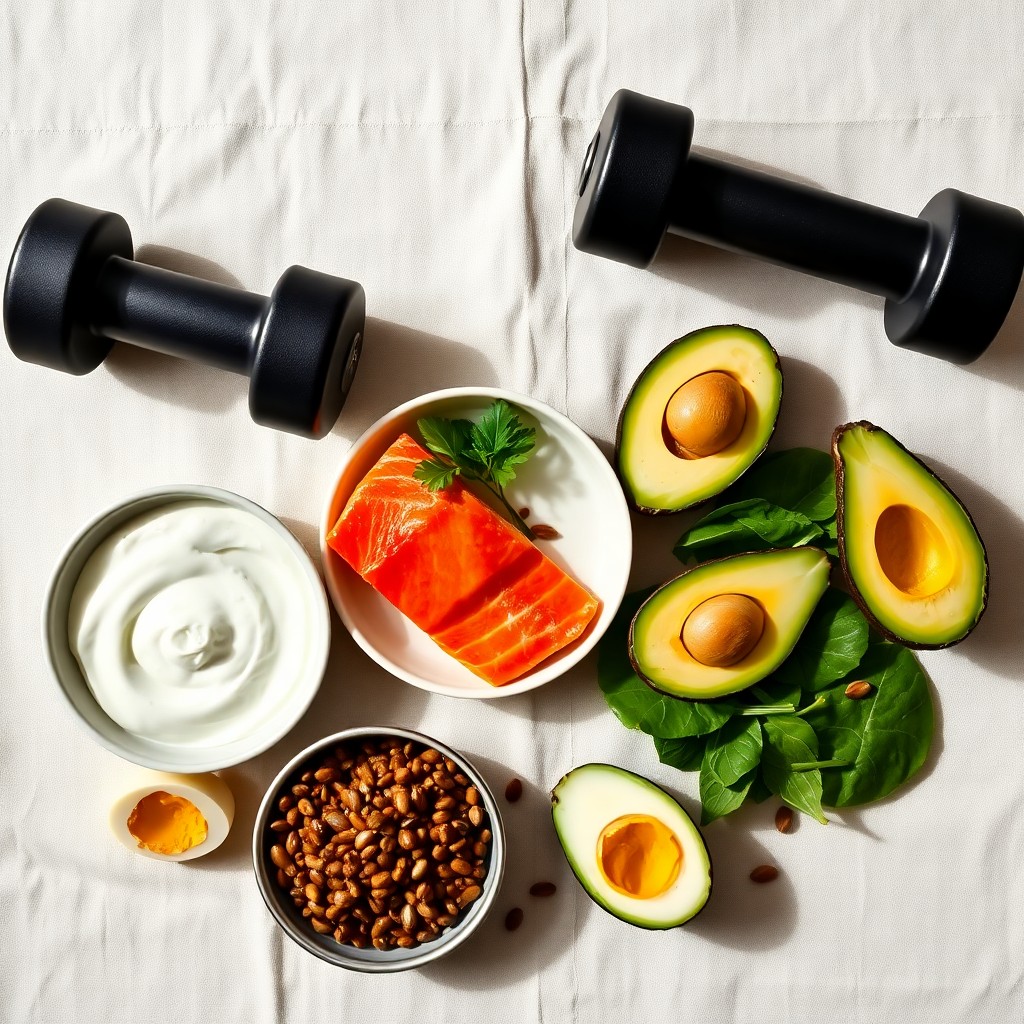
Notice that the most practical approach is to anchor every meal around a complete protein source first, then build the rest of the meal around it. Protein is not a side dish in the PCOS framework — it is the foundation everything else is built on.
Carbohydrates: quality over quantity
The carbohydrate conversation in PCOS usually goes one of two ways: either all carbs are eliminated (ketogenic diet) or nothing changes. Neither extreme is necessary or optimal for most women. The evidence points to a middle path: not zero carbs, but low-GI carbs in controlled quantities.
Why type matters more than amount
The glycaemic index (GI) measures how quickly a carbohydrate food raises blood glucose. High-GI foods — white bread, white rice, cornflakes, crackers, most baked goods — cause a rapid glucose spike that triggers an equally rapid, large insulin response. That insulin surge directly suppresses fat mobilisation for the next 3–4 hours. By contrast, low-GI foods — lentils, chickpeas, sweet potato, oats, most berries, leafy vegetables — cause a slow, gradual glucose rise, which requires much less insulin to manage, and which keeps fat mobilisation active between meals.
Two women can eat the same number of carbohydrate grams per day with completely different hormonal outcomes depending on which carbohydrate sources they choose. A day of white rice, pasta, and crackers produces chronically elevated insulin. A day of lentils, oats, berries, and sweet potato — even at the same total carb count — produces a dramatically lower insulin burden. The type of carbohydrate is the variable that matters, not just the quantity.
The practical carb target
For most PCOS women targeting weight loss, under 100g of total carbohydrates per day from low-GI sources hits the sweet spot: low enough to reduce insulin burden significantly, high enough to sustain energy, thyroid function, and mood, and to avoid the cortisol elevation that very low carbohydrate diets can provoke in some women.
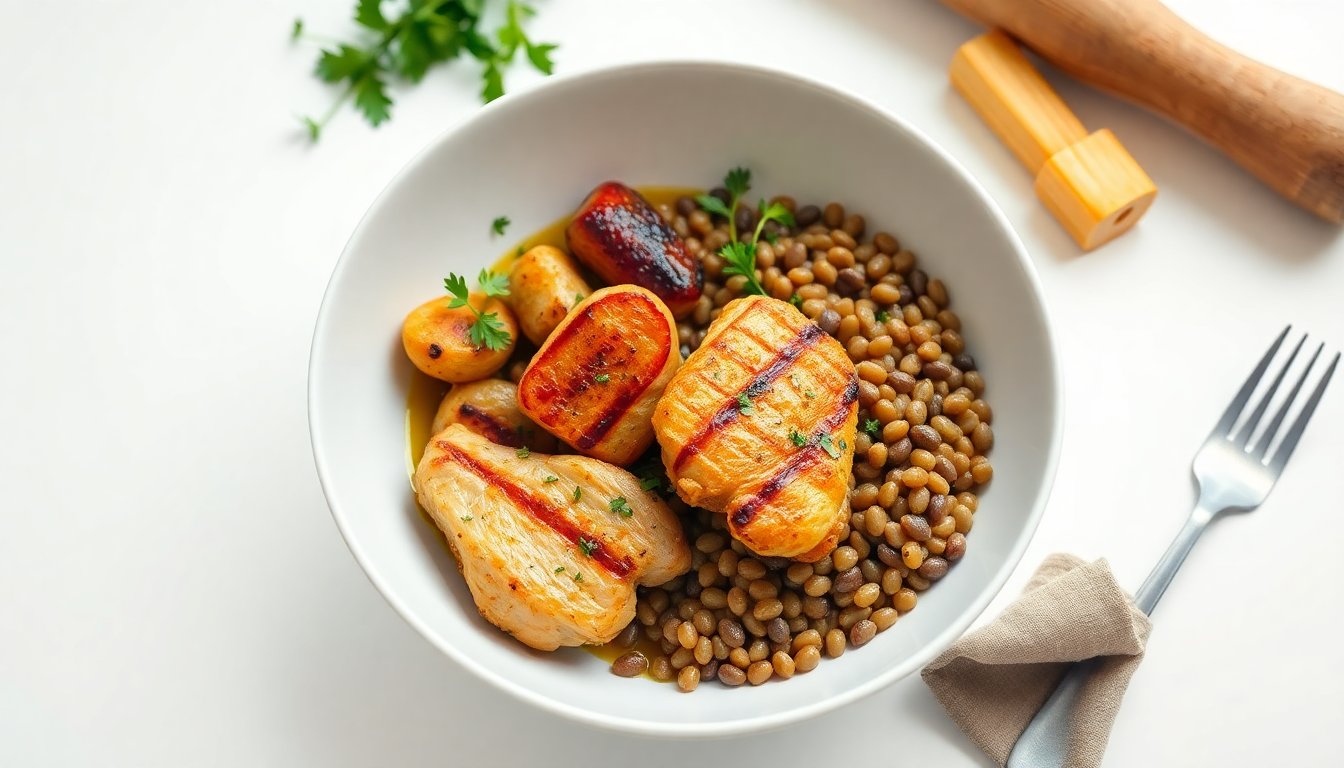
Every carbohydrate should be eaten alongside protein at every sitting — this is non-negotiable. Protein slows gastric emptying and blunts the glucose response of whatever carbohydrate you eat alongside it. A piece of sweet potato eaten alone spikes glucose more than the same piece eaten with 40g of chicken breast. Protein is the safety net that makes carbohydrates manageable in PCOS.
The fibre rule
Every carbohydrate source should also provide at least 3g of fibre per serving. Fibre slows digestion and glucose absorption, which further reduces the insulin response. Foods that meet this standard: lentils (8g fibre per 100g), chickpeas (7g), oats (10g per 100g dry), most vegetables, most berries. Foods that fail it: white bread (1–2g), white rice (0.4g), most processed carbohydrates.
What to remove first
The highest-priority removals for PCOS are foods that raise insulin rapidly without providing protein or fibre: bread, pasta, white rice, breakfast cereals, crackers, flavoured yogurts, fruit juice, and smoothies made without protein. These are not removed because of their calories but because of their insulin-spiking profile. A glass of orange juice and a glass of cola produce similar insulin responses — both suppress fat burning for hours. Swapping these out alone, without changing anything else, can produce noticeable improvements in energy stability and hunger within days.
Fat and fibre: your stabilisers
Dietary fat has been so thoroughly demonised in mainstream nutrition advice that many women still instinctively avoid it when trying to lose weight. In PCOS, this is a mistake. Dietary fat does not spike insulin. It is your secret weapon.
Why fat works in PCOS
Fat has essentially no direct effect on insulin secretion. Including fat in a meal slows gastric emptying — food leaves the stomach more gradually — which reduces the glycaemic index of everything else in that meal. Adding olive oil to roasted vegetables lowers the glucose response of those vegetables. Adding avocado to a meal containing carbohydrates buffers the glucose curve. Fat keeps you satiated for longer, stabilises energy between meals, and supports the production of steroid hormones (including oestrogen and progesterone) which PCOS women need to support hormonal balance.
The PFF formula is the simplest way to think about every meal: Protein + Fat + Fibre at every sitting. Any meal that contains all three will produce a controlled insulin response, sustained satiety, and a hormonal environment conducive to fat burning. Any meal that is missing one of the three is worth reconsidering.
Best fats for PCOS
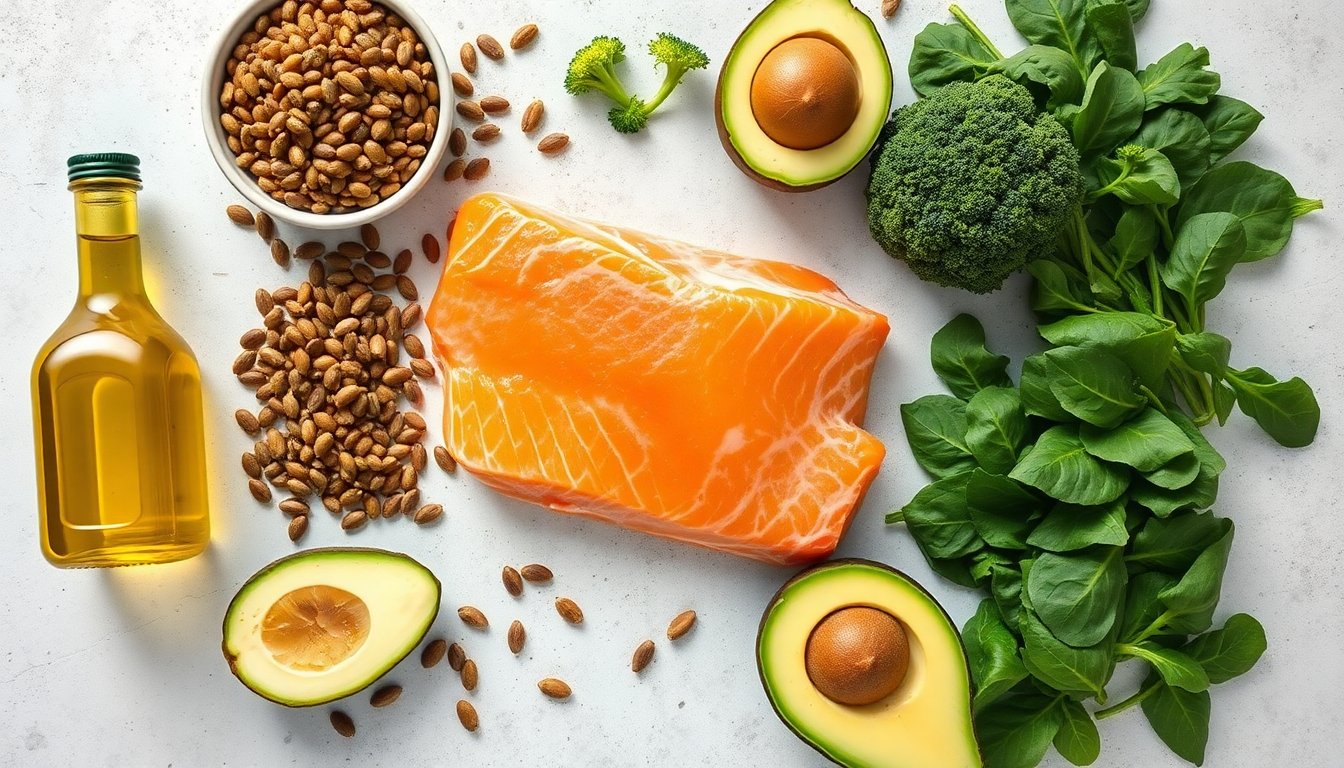
Not all fats are equally beneficial. Omega-3 fatty acids — found in fatty fish, walnuts, flaxseed, and chia seeds — have direct anti-inflammatory effects in PCOS, where chronic low-grade inflammation is part of the pathology. Olive oil (rich in oleocanthal, a natural anti-inflammatory) is the preferred cooking and dressing fat. Avocado provides monounsaturated fat alongside potassium and fibre. Pumpkin seeds deserve a specific mention: they are rich in zinc, which is commonly depleted in PCOS and plays a direct role in insulin signalling and androgen metabolism.
Fats to minimise: seed oils high in omega-6 (sunflower oil, corn oil, soybean oil), which compete with omega-3 for the same metabolic pathways and can worsen the inflammatory profile of PCOS when consumed in excess relative to omega-3 intake.
Fibre targets and sources
Many women with PCOS fall short of fibre targets — typical intake is estimated at around 10–15g per day. The evidence-supported target is 25–35g per day. This is not just a general health recommendation — fibre has specific benefits in PCOS: it slows glucose absorption (reducing insulin burden), feeds the gut microbiome (PCOS is associated with distinct gut dysbiosis), and reduces circulating oestrogen by binding to it in the gut and facilitating excretion.
The highest-fibre, lowest-GI foods: non-starchy vegetables (broccoli, leafy greens, courgette, cauliflower, asparagus), legumes (lentils, chickpeas, black beans), chia seeds (~8.5g fibre per 25g serving), and ground flaxseed (3g fibre per tablespoon). These can be added progressively — adding two tablespoons of ground flaxseed per day and increasing vegetable portions adds 10–15g of fibre without dramatically changing the structure of eating.
Exercise: what works and what backfires
Exercise is not optional in PCOS weight loss — but the type, intensity, and timing of exercise matters far more than most women realise. The exercise approach that works in PCOS is very different from the high-cardio approach typically promoted for weight loss.
Resistance training is primary
Skeletal muscle is the largest site of glucose disposal in the human body. When muscle contracts, GLUT4 transporters migrate to the cell surface and absorb glucose independently of insulin — a process that continues for hours after the session ends. More muscle mass means better insulin sensitivity at rest, 24 hours a day, regardless of what you are eating. Building and maintaining lean muscle is the most durable metabolic investment a PCOS woman can make.
The recommended minimum: 3 resistance training sessions per week, built around compound movements that work large muscle groups simultaneously: squats, deadlifts, hip hinges, rows, and presses. These movements recruit the most muscle tissue per session, produce the greatest GLUT4 upregulation, and stimulate the highest post-exercise metabolic rate. Isolation exercises (bicep curls, leg extensions) are not wrong, but they should not be the foundation.
Progressive overload is essential. The weight lifted should increase over time — ideally weekly, or as frequently as strength allows. If the same weights are used for months without progression, the stimulus for muscle growth and metabolic adaptation diminishes. Many women are cautious about increasing weight for fear of becoming "bulky" — this will not happen at physiological testosterone levels, which PCOS women have in elevated but still female-range concentrations.
Post-meal walking: underrated and highly effective
A 10–20 minute walk after each meal activates GLUT4 transporters in the muscles of the legs and core, clearing post-meal glucose without requiring insulin. Research consistently shows that post-meal walking reduces post-meal glucose spikes by 20–30% compared to sitting. This is not about calorie burn — a 15-minute walk burns roughly 60–80 calories, which is metabolically trivial. The impact is hormonal: lower post-meal glucose = lower post-meal insulin = less fat storage for the next few hours. Three post-meal walks per day can halve the total insulin burden from meals.
Why excessive cardio backfires
The most common exercise mistake in PCOS is treating cardiovascular training as the primary weight loss tool. Extended aerobic exercise — particularly fasted cardio or sessions lasting more than 45–60 minutes — significantly raises cortisol. In PCOS, cortisol elevation has two direct consequences: it stimulates adrenal androgen production (worsening hyperandrogenism), and it activates the HPA axis in a way that increases insulin resistance. The very exercise intended to accelerate fat loss can, at excess volumes, worsen the hormonal environment and make weight loss harder.
This does not mean cardio is forbidden. 30–40 minutes of moderate-intensity cardio 2–3 times per week is not problematic for most PCOS women. The issue arises with daily long cardio sessions, fasted cardio on top of resistance training, or using cardio as the primary tool while resistance training is neglected.
HIIT: effective but limited
High-intensity interval training (HIIT) improves insulin sensitivity effectively in short bursts and can be a useful tool — but the cortisol response from HIIT is substantial. Limit HIIT to 1–2 sessions per week maximum. It is not a replacement for resistance training; think of it as a metabolic amplifier used sparingly on top of a resistance training foundation.
The minimum effective dose
For women who are new to structured exercise or returning after a break: 2 resistance training sessions + 3–5 post-meal walks per week produces measurable improvements in insulin sensitivity within 4–6 weeks. This is the minimum effective dose. It is a more impactful starting point than 5 cardio sessions per week, and far more sustainable.
Intermittent fasting and PCOS weight loss
Intermittent fasting (IF) has become one of the most discussed lifestyle interventions for PCOS, with good reason — but its effects are highly variable depending on the type of PCOS and the fasting protocol used. It is neither universally helpful nor universally harmful.
When IF works well in PCOS
For women with classic insulin-resistant PCOS — characterised by higher body weight, acanthosis nigricans, elevated fasting insulin, and carbohydrate cravings — intermittent fasting can be genuinely effective. The fasting window works by reducing total insulin exposure across the day: fewer hours of eating = fewer hours of insulin secretion = greater cumulative time spent in fat-mobilising mode. The 16:8 protocol (16 hours fasting, 8 hours eating window) is the most studied format in PCOS research. Research shows improvements in fasting insulin, HOMA-IR, and body composition in insulin-resistant women using 16:8 consistently for 8–12 weeks.
For women new to fasting, starting with a 14:10 window — eating within a 10-hour window, fasting for 14 — is a safer and more sustainable introduction, allowing the body to adapt gradually before extending the fasting period.
When IF backfires in PCOS
For women with lean or adrenal-predominant PCOS — characterised by normal or low body weight, high cortisol reactivity, anxiety, and predominantly adrenal androgen elevation (high DHEA-S rather than ovarian testosterone) — prolonged fasting can worsen the condition. Skipping meals activates the HPA axis and raises cortisol, which drives adrenal androgen production and amplifies the stress-cortisol-androgen cycle that is already dysregulated in adrenal PCOS.
Key signals that fasting is backfiring: hunger becoming intense and difficult to manage, irritability or anxiety worsening during the fasting window, energy crashing (rather than stabilising) after the first week of fasting, and symptom flares in acne or hair loss. These signs indicate that the fasting window is too long for your cortisol profile, and shortening or abandoning the protocol is the right response — not pushing through.
The most important fasting rule: how you break the fast
Regardless of protocol, the single most important rule of fasting for PCOS is how the fast is broken. The first meal should contain 40–50g of protein within 30–60 minutes of eating. Do not break a fast with fruit alone, a smoothie without protein, juice, or coffee with milk. Breaking a fast with high-GI food or refined carbohydrate in the absence of protein produces an exaggerated insulin spike on a sensitised, fasted system — which can undo the morning's metabolic benefit in a single meal. Eggs, Greek yogurt, cottage cheese, or leftover protein from the night before are ideal fast-breakers.
For a deeper exploration of intermittent fasting protocols specific to different PCOS types, see our full guide: Intermittent Fasting and PCOS: Does It Work?
A sample week of eating
The following gives a macro-level sense of what three days of PCOS-optimised eating looks like in practice. These are not exact recipes — they illustrate the structure: protein anchoring every meal, low-GI carbohydrates, and fat included to slow digestion and support satiety.
| Day | Breakfast | Lunch | Dinner | Snack |
|---|---|---|---|---|
| Monday | 3-egg omelette + smoked salmon + spinach (38g P) | Chicken thigh salad + avocado + lentils (45g P) | Salmon + roasted broccoli + ½ cup chickpeas (36g P) | Greek yogurt + pumpkin seeds (22g P) |
| Tuesday | Greek yogurt + chia seeds + almonds (25g P) | Turkey mince bowl + cucumber + quinoa (40g P) | Baked cod + sweet potato + green beans (32g P) | 2 boiled eggs + baby carrots (14g P) |
| Wednesday | Cottage cheese pancakes + berries (37g P) | Tuna + avocado bowl + spinach (30g P) | Chicken stir-fry + bok choy + brown rice (small) (44g P) | Cottage cheese + walnuts (20g P) |
| Daily totals | ~130–145g protein · ~80–100g carbs (low-GI) · ~60–70g fat · ~1,900–2,100 kcal | |||
Notice several consistent patterns across all three days. Every meal contains a complete protein source prominent enough to anchor the macros. Carbohydrates are always low-GI — lentils, chickpeas, sweet potato, quinoa, oats, berries — never bread, pasta, white rice, or cereals. Fat is included at every meal (avocado, olive oil for cooking, nuts, seeds, fatty fish) to slow digestion and extend satiety. Vegetables appear at lunch and dinner to provide fibre and micronutrients without adding meaningfully to carbohydrate load.
The calorie range of 1,900–2,100 kcal is higher than many PCOS women expect to be eating while losing weight. This reflects the satiating effect of high protein and fat, which means genuine hunger is unusual at this eating pattern, and adherence is far easier than conventional calorie-restricted diets. The calorie target is not the goal — the macronutrient structure is. If protein and carbohydrate quality targets are hit, the calorie range tends to land here naturally.
For days four through seven, the same structural principles apply: rotate protein sources across the table above to provide variety in omega-3s, zinc, B vitamins, and amino acid profiles. Thursday might feature more eggs and sardines; Friday might use turkey and edamame. The meals change but the PFF structure at every sitting remains constant.
How long it actually takes
One of the most damaging aspects of PCOS weight loss advice is the timeline it sets. Standard dieting frameworks promise visible results in 2–4 weeks. Women with PCOS following these programmes see little or nothing in that window and conclude they have failed — when in fact they have simply been given the wrong timeline for their biology. Here is a realistic, specific breakdown of what to expect.
Week 1–2
This phase is about metabolic adjustment, not visible weight loss. Hunger reduces significantly within 5–7 days of hitting the 130g protein target, as GLP-1 and PYY satiety hormones begin to respond. Energy becomes more stable across the day — the mid-afternoon crash associated with high-carbohydrate eating typically disappears once post-meal glucose spikes are controlled. Carbohydrate cravings, which are driven partly by blood sugar volatility and partly by elevated androgens, begin to reduce. The scale may show little movement, or may show a 1–2kg drop from water loss as glycogen stores are depleted with lower carbohydrate intake.
Week 3–4
Sleep quality often improves at this stage — blood sugar stability overnight means fewer cortisol-driven early wakings. Bloating reduces noticeably, driven primarily by the removal of refined carbohydrates and seed oils that promote gut inflammation. Mood stabilises: the hormonal volatility that accompanies high-insulin states is less pronounced when insulin burden is lower. Body composition changes are beginning internally but may not be visible yet.
Week 6–8
This is typically when measurable metabolic changes appear on bloodwork. Fasting glucose and fasting insulin begin to improve — if you had these measured at baseline, now is a good time to recheck. Body composition changes are becoming visible: most women notice clothing fitting differently, waist measurement reducing, and abdominal bloating markedly improved. The scale may show 1–3kg of genuine fat loss by this point.
Week 8–12
Most women following this approach consistently see 2–5kg of fat loss by week 12. This is less than conventional diet programmes promise, but it represents predominantly fat loss with muscle preservation — which is metabolically far more valuable than the faster losses seen with crash dieting, which include significant muscle loss. Androgen-related symptoms — acne, skin oiliness, upper lip hair — begin to reduce as free testosterone improves. Energy levels are consistently higher than before.
Month 3–6
For women with anovulatory cycles (irregular or absent periods), cycle regularity may begin to return during this phase. This is not guaranteed and varies significantly between women, but a 5–10% reduction in body weight is the most reliable dietary intervention for improving LH pulsatility and restoring ovulation. Testosterone levels should show meaningful improvement on bloodwork by the six-month mark. The compounding nature of the hormonal improvements means progress tends to accelerate slightly after the first three months as the insulin-androgen cycle becomes less self-reinforcing.
Build your PCOS weight loss meal plan
HerMeal generates a complete 5-day high-protein, low-GI meal plan built around your calorie target, dietary restrictions, and PCOS profile — ready in under 2 minutes.
Start freeReferences
- Diamanti-Kandarakis E, et al. (2006). Insulin resistance and the polycystic ovary syndrome revisited. Ann NY Acad Sci. PubMed
- Moran LJ, et al. (2003). Dietary composition in restoring reproductive and metabolic physiology in overweight women with polycystic ovary syndrome. J Clin Endocrinol Metab. PubMed
- Paoli A, et al. (2020). Ketogenic diet and polycystic ovary syndrome. Reproductive Biology and Endocrinology. PubMed
- Szczuko M, et al. (2021). Nutrition Strategy and Life Style in Polycystic Ovary Syndrome. Nutrients. PubMed
Frequently asked questions
PCOS impairs weight loss through several overlapping mechanisms, not just one. Insulin resistance means the body continually prioritises fat storage over fat mobilisation, even in a calorie deficit. Elevated androgens alter fat distribution and reduce muscle mass. Leptin resistance — common in PCOS — blunts satiety signals so hunger remains high even after eating. Cortisol dysregulation adds a further layer: chronic stress or inadequate sleep amplifies both insulin resistance and adrenal androgen output. The result is a metabolic environment that is genuinely hostile to conventional dieting, which is why it feels so much harder — because it is.
The research-supported target for PCOS weight loss is 130–140g of protein per day, distributed across three meals of 35–45g each. This is significantly higher than the general recommended dietary allowance, which is designed for maintenance in healthy individuals — not for metabolic conditions like PCOS. The higher protein target works by slowing gastric emptying, blunting the post-meal glucose and insulin spike, preserving lean muscle mass during calorie restriction, and increasing satiety through appetite hormones like GLP-1 and PYY. Most women with PCOS are eating 60–80g per day when they start; getting to 130g is the single most impactful dietary change they can make.
Calorie counting alone is a poor strategy for PCOS because it ignores the hormonal environment that determines what happens to those calories. A 300-calorie slice of white bread and a 300-calorie chicken and avocado bowl produce completely different hormonal responses — the bread spikes insulin and promotes fat storage for hours, while the protein-fat meal barely moves insulin. That said, extreme overeating will still impede weight loss regardless of food quality. A better approach is to lead with protein and carb quality as the primary targets, and let calories self-regulate. Most women eating 130–140g protein per day from whole food sources naturally land in a moderate calorie deficit without tracking.
The fastest sustainable approach combines high-protein eating (130–140g/day), low-GI carbohydrates under 100g/day, resistance training three times per week, and post-meal walking. This combination attacks insulin resistance from multiple directions simultaneously: protein and low-GI carbs reduce insulin spikes from food, resistance training builds insulin-sensitive muscle tissue, and post-meal walking activates GLUT4 glucose transporters to clear glucose without insulin. Many women see meaningful metabolic improvements — reduced hunger, more stable energy, measurable improvements in fasting glucose — within the first 3–4 weeks. Crash diets, very low calorie protocols, or excessive cardio typically backfire by raising cortisol and worsening the underlying condition.
Diet alone can produce weight loss in PCOS, but the results are slower and less durable without exercise. The specific reason resistance training matters so much is that skeletal muscle is the largest site of glucose disposal in the body — more muscle means better insulin sensitivity at rest, 24 hours a day, independently of weight loss itself. Post-meal walking is the most accessible and impactful single habit you can add: a 15-minute walk after each meal reduces post-meal glucose spikes by 20–30%. If injury or circumstance limits structured exercise, focus on increasing overall daily movement — standing, walking, taking stairs — rather than trying to compensate with diet alone.
The highest-priority foods to remove are those that spike insulin without providing protein or fibre: white bread, white rice, pasta, breakfast cereals, crackers, flavoured yogurts, fruit juice, smoothies without protein, and refined sugars in any form. These are not harmful because of their calories but because of the insulin response they provoke — which suppresses fat mobilisation for 3–4 hours after eating. Alcohol is worth limiting too: it disrupts sleep (which worsens insulin resistance), inhibits gluconeogenesis in the liver, and lowers inhibitions around food choices. You do not need to eliminate fruit, legumes, or whole grains — but they should always be paired with protein and fat to slow glucose absorption.
Metformin improves insulin sensitivity and can facilitate weight loss in PCOS, but its effect sizes are modest — most studies show 1–3kg of additional weight loss over 6 months compared to placebo. It works best as an adjunct to dietary change, not a replacement for it. Women who use metformin and make the dietary changes described in this article consistently achieve better outcomes than those who rely on the medication alone. If you are currently on metformin, the approach here is fully compatible and will amplify the drug's effects. Always work with your prescribing doctor before starting or adjusting metformin.
Expect a different timeline from standard dieting promises. The first two weeks bring reduced hunger, more stable energy, and fewer carb cravings — but the scale may not move much initially as the body adjusts. Measurable fat loss of 2–5kg typically appears between weeks 8–12 with consistent effort. Hormonal improvements — reduced acne, better cycle regularity, improving androgen levels on bloodwork — often become apparent between months 3–6. This is slower than what standard calorie-cutting promises, but the metabolic changes are more durable because they address the underlying insulin resistance rather than just creating a calorie deficit.
The ketogenic diet has strong evidence for PCOS: by drastically reducing carbohydrate intake, it minimises insulin secretion almost entirely, directly attacking the core mechanism of PCOS weight resistance. A 2020 study published in Reproductive Biology and Endocrinology found significant reductions in weight, fasting insulin, free testosterone, and LH/FSH ratio in PCOS women following a ketogenic diet. However, strict keto is difficult to sustain and can be unnecessarily restrictive for many women. The approach described in this article — high protein, low-GI carbs under 100g/day — captures most of keto's hormonal benefits without requiring the elimination of all carbohydrates, making it easier to maintain long-term.