Best Cheese for PCOS: 5 PCOS-Friendly Options Ranked
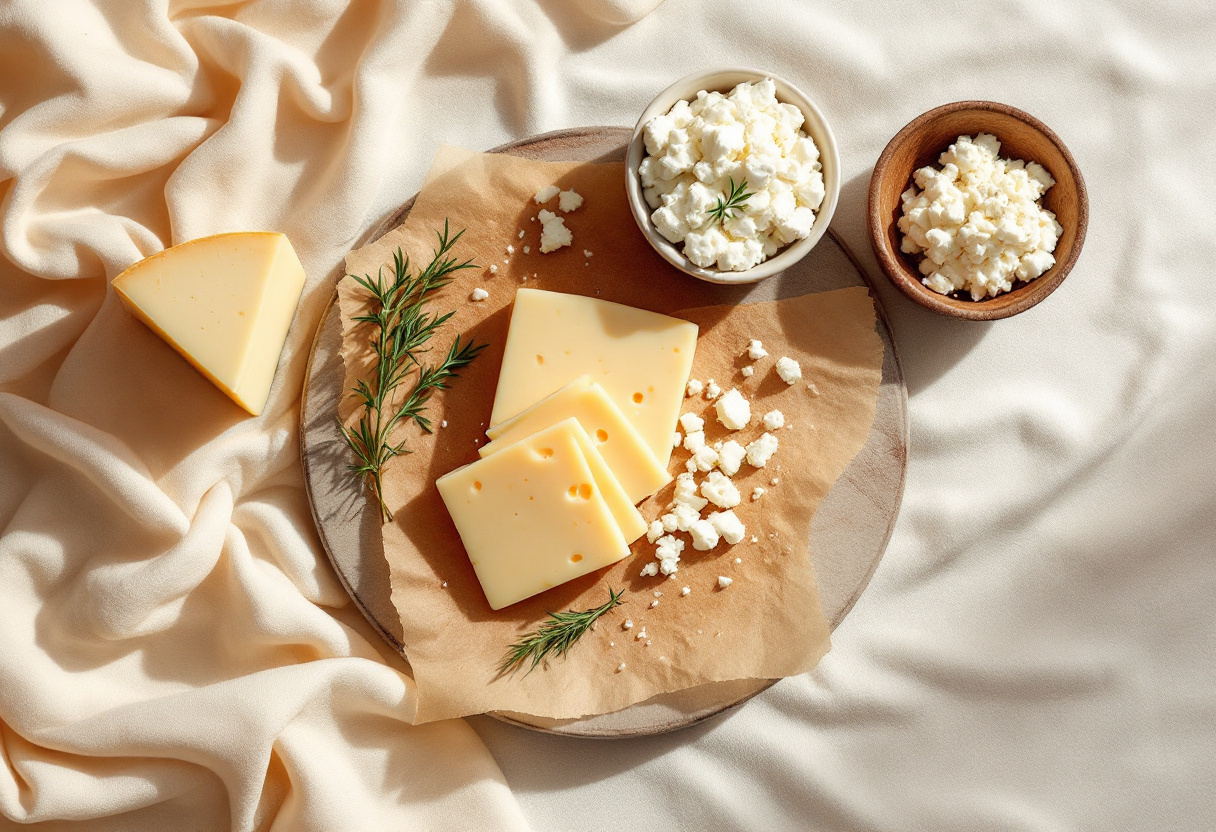
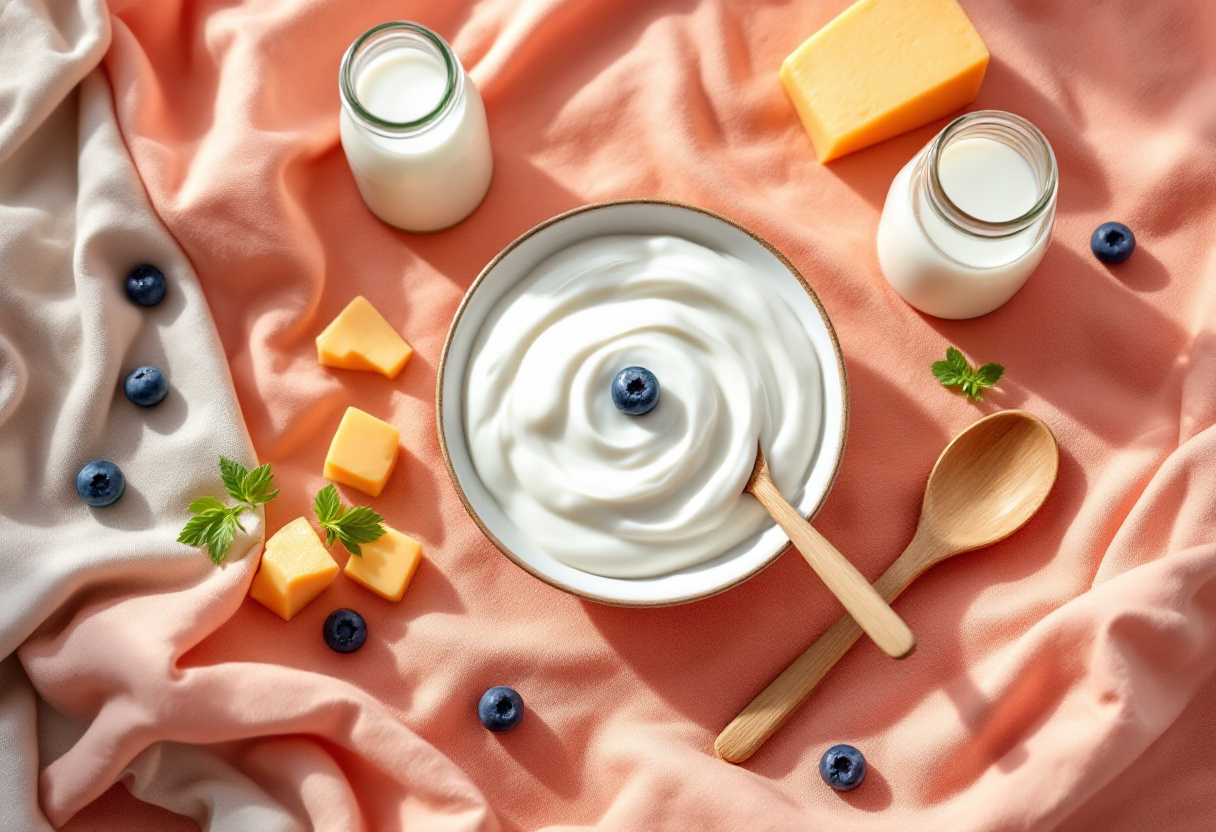
Many women with PCOS are told to limit or eliminate dairy — but cheese is not the same as milk. Fermentation changes the hormonal picture significantly. Here's which cheeses are PCOS-compatible and which are worth limiting.
Cheese is one of the most commonly misclassified foods in PCOS diets. Women who are told to reduce dairy often cut out the cheeses that are actually among the most PCOS-friendly dairy options they eat — aged parmesan, feta, cottage cheese — while continuing to drink liquid milk, which has a significantly worse hormonal profile. The distinction matters. This article explains why cheese behaves differently from milk for PCOS, which types are safe to eat regularly, and which are worth limiting.
Key takeaways
- Fermentation transforms cheese — aged hard cheeses have very low lactose, a much lower insulin index than liquid milk, and retain protein and fat-soluble vitamins
- Full-fat aged cheeses (parmesan, cheddar, aged gouda, feta) are generally PCOS-compatible in reasonable portions
- Full-fat cottage cheese is one of the best high-protein dairy sources for PCOS despite being unaged — the protein-to-calorie ratio is exceptional
- Processed cheese products (slices, spreads, dips) are the category most worth limiting — they contain added starches, emulsifiers, and sometimes added sugars
- Full-fat cheese is preferable to reduced-fat versions for PCOS — the fat moderates insulin response and provides conjugated linoleic acid (CLA)
Contents
Why cheese is different from milk for PCOS
The two dairy pathways most relevant to PCOS are insulin and IGF-1. Liquid milk — particularly skim milk — is problematic because whey protein is a potent insulin secretagogue (more so than most carbohydrates, gram for gram), and because dairy proteins reliably raise IGF-1, which stimulates ovarian androgen production. These are real, documented mechanisms that explain why liquid milk has a worse PCOS profile than its carbohydrate content would suggest.
Cheese fermentation partially changes both of these pathways. During fermentation and ageing:
- Lactose is broken down — hard aged cheeses are effectively lactose-free, removing the carbohydrate load entirely
- Whey protein is reduced — most whey drains away during the cheese-making process; the whey remaining in aged cheese is far lower than in liquid milk, significantly reducing the insulinotropic load
- Fat concentration increases — the fat-to-protein ratio in aged cheese is higher than milk, and fat moderates the insulin response from protein
- Bioactive peptides are created — fermentation generates peptides that may actually improve insulin sensitivity and have mild anti-inflammatory effects1
The result is a food that looks nothing like liquid milk from a hormonal standpoint, despite sharing the same dairy origin. The blanket "cut all dairy" advice for PCOS treats parmesan and skim milk as equivalent. They aren't.
Best cheeses for PCOS — the summary grid
- Parmesan / Parmigiano Reggiano
- Aged cheddar (12+ months)
- Aged gouda (18+ months)
- Pecorino Romano
- Feta (full-fat)
- Full-fat cottage cheese
- Plain full-fat Greek yogurt (technically a cheese product)
- Fresh mozzarella (full-fat)
- Brie and camembert
- Soft goat's cheese (ch—vre)
- Ricotta (full-fat, plain)
- Halloumi
- Mild cheddar (younger, less fermented)
- Processed cheese slices and singles
- Cheese spreads and dips with added starch or sugar
- Reduced-fat or low-fat versions of any cheese
- Flavoured cottage cheese with fruit syrups
- Nacho cheese sauce and processed queso
Get Your Custom PCOS Meal Plan in Minutes
Personalised protein targets, low-GI meal plans, auto-generated grocery lists, and AI meal swaps — built around your PCOS profile.
Start Your Free 7-Day TrialCottage cheese — the PCOS protein source
Full-fat plain cottage cheese deserves particular attention because it's one of the best high-protein foods available for a PCOS diet, despite being a fresh unaged cheese. The numbers are exceptional: approximately 11–13g of protein per 100g at around 100–120 kcal. That's a protein-to-calorie ratio comparable to egg whites, and better than most other dairy products.
The caveat is that cottage cheese is not aged — it contains more intact whey protein than hard cheeses, so its insulin index is higher. But for women with PCOS who need to consistently hit a high protein target (which directly improves insulin sensitivity and satiety), the benefit of that protein outweighs the insulin cost, particularly when consumed as part of a balanced meal rather than alone.
How to use it
Full-fat plain cottage cheese works well as a high-protein breakfast base (topped with seeds and berries), a savoury snack (with cucumber and black pepper), or stirred through scrambled eggs to increase protein density without adding much flavour. Always choose plain — flavoured varieties with fruit syrups or sweetened blends negate the benefit with added sugars.
Feta — anti-inflammatory and versatile
Feta is a brined, fermented cheese — typically made from sheep's or goat's milk (or a blend), or in some cases cow's milk — and is one of the better choices for PCOS for several reasons.
Sheep's and goat's milk feta contains a higher proportion of medium-chain fatty acids than cow's milk cheeses. Medium-chain fats are more readily oxidised for energy and have a different metabolic profile from long-chain saturated fats. Feta is also lower in calories per gram than most hard cheeses (~260–280 kcal per 100g vs ~400 kcal for parmesan), while still providing meaningful protein (~14g per 100g) and calcium.
The brining process also means feta is high in sodium — something to be aware of if fluid retention or blood pressure is a concern. But in the 30–40g serving sizes typical of its use as a topping or salad component, it adds around 5–6g of protein and is well within reasonable sodium limits.
Hard aged cheeses — the PCOS-friendliest dairy category
Aged hard cheeses — parmesan, aged cheddar, aged gouda, pecorino, manchego — are the most PCOS-compatible dairy products available. The longer the ageing, the more the lactose is consumed by bacteria and the more the whey proteins are broken down:
Parmesan (Parmigiano Reggiano)
Aged 12–36 months, parmesan is effectively lactose-free and has an exceptionally low insulin index relative to its protein content (~32g per 100g). Its intensity means small amounts add significant flavour — a 15–20g grating provides 5–7g of protein and meaningful calcium while barely affecting insulin. It's the most flavourful and arguably the most PCOS-friendly cheese per gram.
Aged cheddar
The older the cheddar, the lower the lactose and the more fermented the proteins. Extra mature or vintage cheddar (15+ months) is preferable to mild cheddar (which may be aged only 2–3 months and retains more of the fresh dairy profile). A 30g serving of aged cheddar provides around 7–8g of protein at roughly 120 kcal.
Aged gouda
18-month or older gouda has a deep, slightly caramelised flavour and is among the most lactose-free cheeses available — an excellent option for women who are lactose-sensitive alongside their PCOS. Its protein content is around 25g per 100g.
Cheeses worth limiting
Processed cheese products
Processed cheese slices, spreadable cheese triangles, nacho cheese sauce, and ready-made queso are manufactured products that often contain dairy blends, emulsifying salts, starches, and sometimes added sugars. The fermentation benefits of real cheese are absent or minimal. These are the cheeses most worth avoiding for PCOS — not because of their dairy proteins, but because of their additive content and lack of the fermentation-based benefits that make natural cheese PCOS-compatible.
Soft fresh cheeses in volume
Ricotta and fresh cream cheese are essentially unaged dairy products — closer to fresh milk in profile than to aged cheese, with more intact whey proteins and higher insulin index. They're not harmful in small amounts (a spoonful of ricotta in a dish, cream cheese as a thin spread), but shouldn't be eaten in the same volumes as aged cheese.
Full-fat vs reduced-fat cheese
The evidence consistently favours full-fat dairy over low-fat dairy for PCOS. The Nurses' Health Study II found higher intake of full-fat dairy associated with better ovulatory outcomes, while low-fat dairy was associated with worse outcomes.2 This applies to cheese.
The fat in full-fat cheese provides:
- Conjugated linoleic acid (CLA) — found in ruminant dairy fat, associated with improved insulin sensitivity in some research
- Vitamin K2 — important for calcium metabolism and cardiovascular health, found in full-fat fermented dairy
- Insulin buffering — fat slows gastric emptying and moderates the post-meal insulin response from the protein content
Reduced-fat cheese removes these benefits and often adds starch or gums to compensate for the lost texture. There is no hormonal benefit to choosing low-fat cheese for PCOS — and some evidence suggesting the opposite.
Portions and practical use
The key consideration with hard cheeses is calorie density. Parmesan provides ~400 kcal per 100g; aged cheddar around 400–420 kcal. These numbers make cheese calorie-efficient as a flavour source but calorie-dense as a protein source. For PCOS management, the recommended approach is:
- Hard aged cheeses (parmesan, aged cheddar): 20–40g per serve, as a topping or flavour component, not a primary meal protein
- Feta: 30–50g as a salad component or topping
- Cottage cheese: 100–200g as a primary protein source for a meal or snack
- Greek yogurt: 150–200g as a protein-rich breakfast base
This article is for general educational purposes and does not constitute medical advice. Speak with a registered dietitian before making significant dietary changes.
Frequently asked questions
Aged cheese in. Processed slices out.
HerMeal builds your plan around the dairy that helps PCOS — high-protein, full-fat, fermented — and keeps the high-insulin options out. Free, personalised to your calorie target.
Build my free planGet Your Custom PCOS Meal Plan in Minutes
Personalised protein targets, low-GI meal plans, auto-generated grocery lists, and AI meal swaps — built around your PCOS profile.
Start Your Free 7-Day Trial