Is Dairy Bad for PCOS? What the Science Says
PCOS communities are split — some women cut dairy and see immediate improvements in skin and cycles; others eat cheese daily with no effect. The research explains why both experiences are real, and which dairy choices actually matter.
Dairy is one of the most commonly eliminated foods in PCOS diets. The concern isn't unfounded. Milk has a disproportionately high insulin response for its calorie content, and dairy proteins raise IGF-1 in ways directly relevant to androgen production and ovarian function. But "dairy" covers a huge range of foods — from a daily glass of skim milk to full-fat Greek yogurt to aged cheddar — and the evidence treats them very differently. This article explains exactly what the research shows, which dairy types to keep, which to reduce, and what to eat instead for calcium if you cut back.
Key takeaways
- Milk raises insulin far more than its glucose content predicts — whey protein is one of the most potent natural insulin triggers known, directly worsening PCOS insulin resistance
- Dairy proteins also raise IGF-1, which stimulates androgen production in the ovaries — the mechanism behind dairy's well-documented link to hormonal acne
- Low-fat and skim milk appear worse for PCOS than full-fat — the Nurses' Health Study II found low-fat dairy associated with greater risk of anovulatory infertility
- Fermented dairy (plain Greek yogurt, kefir) behaves very differently — lower insulin response, probiotic benefit, high protein per calorie
- The target is not eliminating all dairy — it's reducing liquid milk, cutting sweetened dairy, and choosing full-fat fermented options instead
Contents
The insulin index problem with milk
Most people know about the glycaemic index — how quickly a food raises blood sugar. Fewer know about the insulin index, which measures how much a food raises insulin, independent of its glucose effect. The two don't always match.
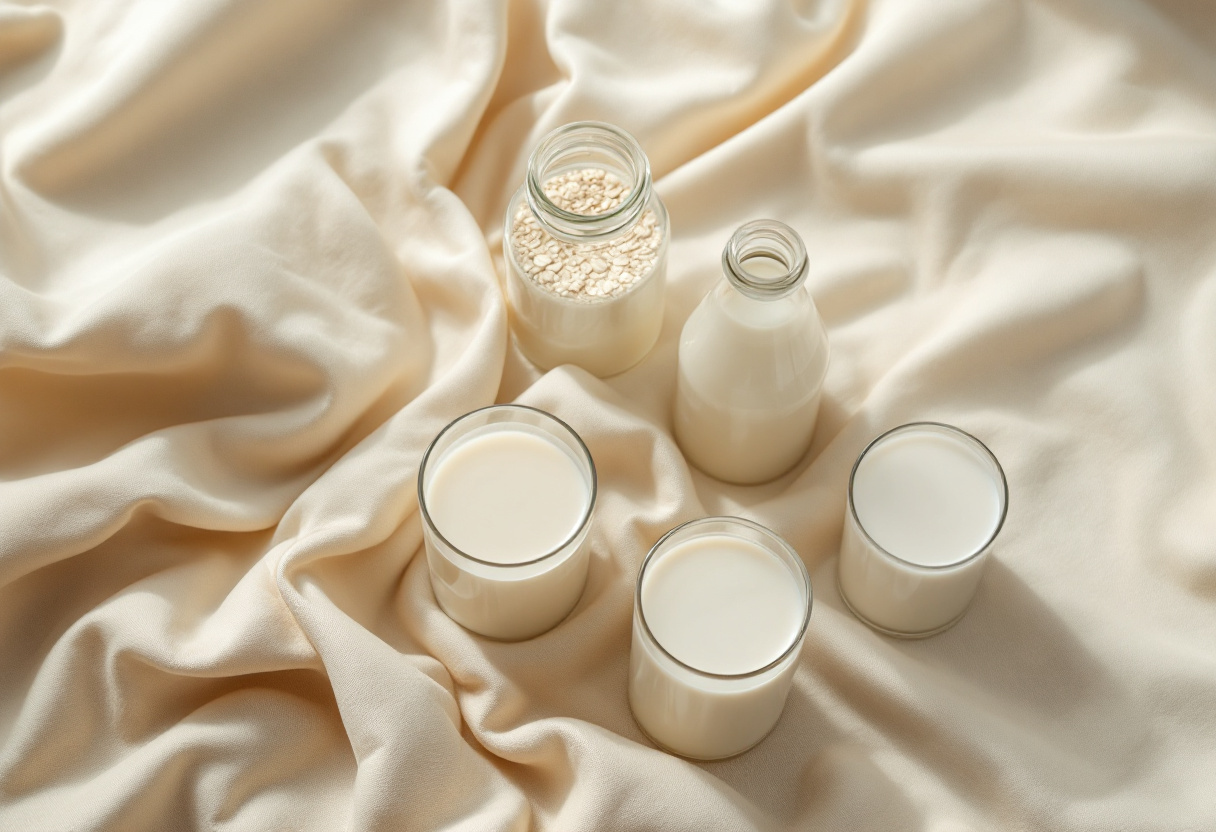
Milk is the clearest example of this gap. It has a moderate glycaemic index (around 30–40), but a disproportionately high insulin index — comparable to white bread in some measurements. In a controlled study of common foods, liquid milk produced an insulin response far exceeding what its glucose content would predict. Fermented dairy products showed a lower but still elevated insulin response in the same study.1 The driver is whey protein. Whey is among the most potent natural triggers of insulin secretion known — more so than most carbohydrates, gram for gram.
For most people, this is irrelevant. For women with PCOS — where insulin resistance means insulin is already chronically elevated — every extra insulin stimulus compounds the problem. Excess insulin directly signals the ovaries to produce more androgens (testosterone, DHEA-S), suppresses sex-hormone-binding globulin so free testosterone rises further, and perpetuates the anovulatory cycle. A morning glass of milk may be metabolically neutral for someone without PCOS. For someone with insulin-resistant PCOS, it represents a meaningful hormonal hit.
IGF-1, androgens, and the PCOS connection
The second mechanism is IGF-1 — insulin-like growth factor 1. Dairy consumption, particularly from liquid milk, reliably raises circulating IGF-1 levels. IGF-1 acts on the ovaries and adrenal glands to amplify androgen production, and it reduces the liver's output of sex-hormone-binding globulin — meaning more of whatever testosterone is produced circulates in its active, free form.
Many women with PCOS already have elevated IGF-1 alongside elevated insulin — the two hormones act synergistically. Regular milk consumption adds a third push onto a system already under strain. How much this matters in practice depends on baseline hormone levels, how much milk you're consuming, and which type — but the pathway is documented and biologically plausible.
Get Your Custom PCOS Meal Plan in Minutes
Personalised protein targets, low-GI meal plans, auto-generated grocery lists, and AI meal swaps — built around your PCOS profile.
Start Your Free 7-Day TrialDairy and PCOS acne
If PCOS-related hormonal acne is a primary concern for you, dairy is one of the first dietary variables worth examining. The research here is more consistent than for most dietary acne links. A large retrospective study — drawing on dietary recall data from over 6,000 girls about their teenage diet — found that milk consumption was positively associated with acne — and notably, skim milk was more strongly associated than whole milk.2
The skim-versus-whole finding is counterintuitive but mechanistically coherent. The fat in whole milk may partially buffer the whey-driven insulin and IGF-1 response. Skim milk delivers the same proteins with less buffering, and also retains insulin-like growth factors that survive pasteurisation. The acne pathway: IGF-1 androgen production excess sebum and follicle inflammation. That is also the pathway central to PCOS acne.
Dairy doesn't cause acne in everyone. Many women drink milk daily with no skin effect. But for women with PCOS who already have elevated androgens, the IGF-1 stimulus from regular milk may be the variable tipping the balance toward visible breakouts. A 4–6 week elimination of liquid milk — while keeping full-fat yogurt — is one of the better-evidenced dietary experiments a woman with PCOS acne can run.
Full-fat vs skim: what the evidence actually shows
The Nurses' Health Study II — one of the largest prospective dietary studies ever conducted — included a detailed analysis of dairy and fertility. The finding was striking: higher intake of low-fat dairy was associated with increased risk of anovulatory infertility, while higher intake of full-fat dairy was inversely associated with that risk.3
The women eating more low-fat dairy had more trouble ovulating. The women eating more full-fat dairy had less. This is the opposite of decades of public health messaging.
The likely explanation: when fat is removed from milk to make low-fat or skim versions, the fat-soluble components — including sex steroids, vitamin K2, and conjugated linoleic acid — are also removed. What remains is a concentrated dose of whey and casein proteins with less buffering of their insulin and IGF-1 effects. Full-fat dairy provides a more hormonally complete and metabolically balanced package.
Why fermented dairy is different
Plain Greek yogurt, kefir, and aged hard cheeses behave very differently from liquid milk across most of the relevant pathways. They get a different verdict for three reasons:
Lower insulin response
Fermentation partially breaks down the whey proteins that drive milk's outsized insulin response. Greek yogurt and kefir still raise insulin — all protein-containing foods do — but the spike is considerably smaller than unfermented milk. The fermentation process transforms the protein structure in ways that blunt the insulinotropic effect.
Probiotic benefit
Gut dysbiosis is more common in women with PCOS and may directly worsen insulin resistance and androgen levels through the gut-ovary axis. Fermented dairy provides live cultures (Lactobacillus, Bifidobacterium) that support a healthier gut microbiome — a benefit liquid milk does not offer. For the subset of women with PCOS and gut symptoms, kefir in particular is worth including.
High protein per calorie
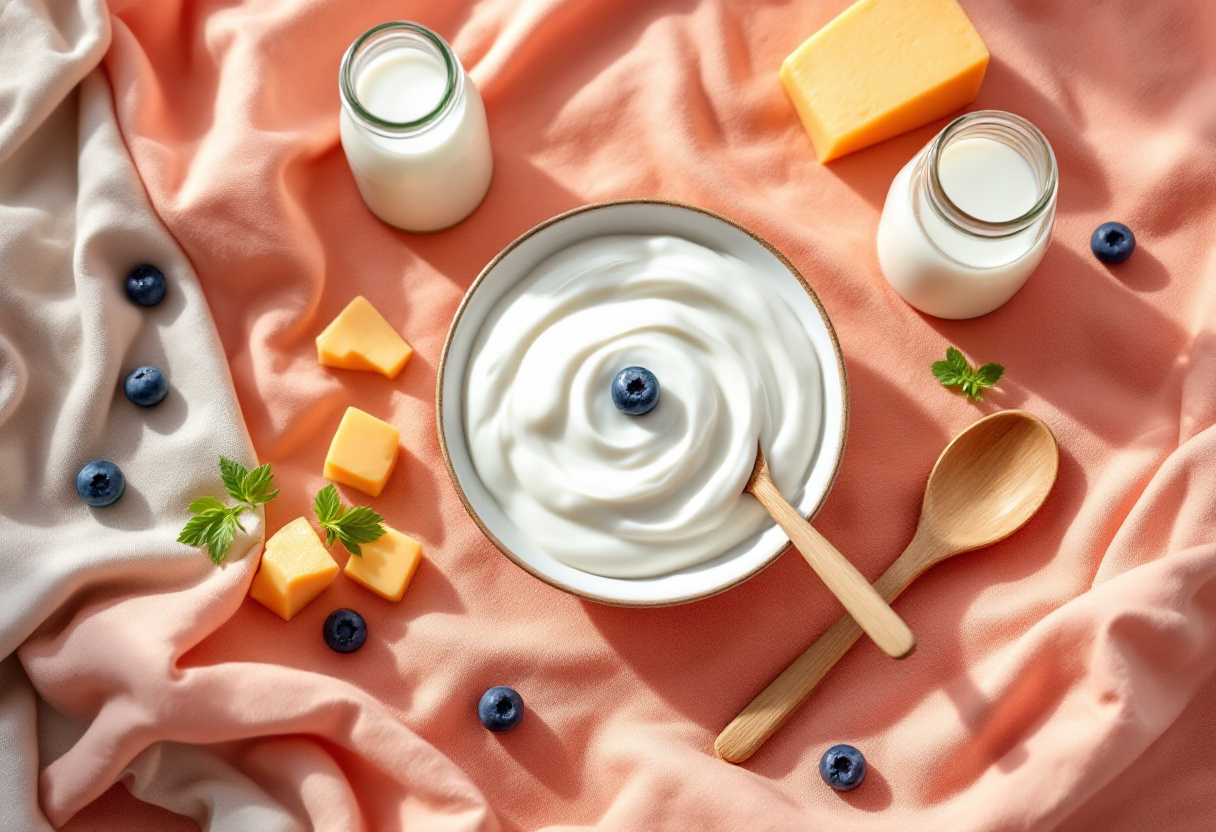
Full-fat Greek yogurt provides roughly 15–17g protein per 150g serving — equivalent to two eggs — alongside a modest calorie count. That protein-to-calorie ratio is genuinely useful in a PCOS diet built around high protein intake for insulin sensitivity and satiety. Greek yogurt is one of the most practical PCOS-friendly foods available, not a food to avoid.
The calcium problem — and how to solve it
The reason most people hesitate to reduce dairy is calcium. Dairy is the dominant calcium source in most Western diets, and calcium is important for PCOS beyond bone health — adequate calcium alongside vitamin D has been associated with improved insulin sensitivity and more regular cycles in women with PCOS. Cutting dairy without replacing calcium is not a neutral move.
Non-dairy calcium sources are plentiful and well-absorbed:
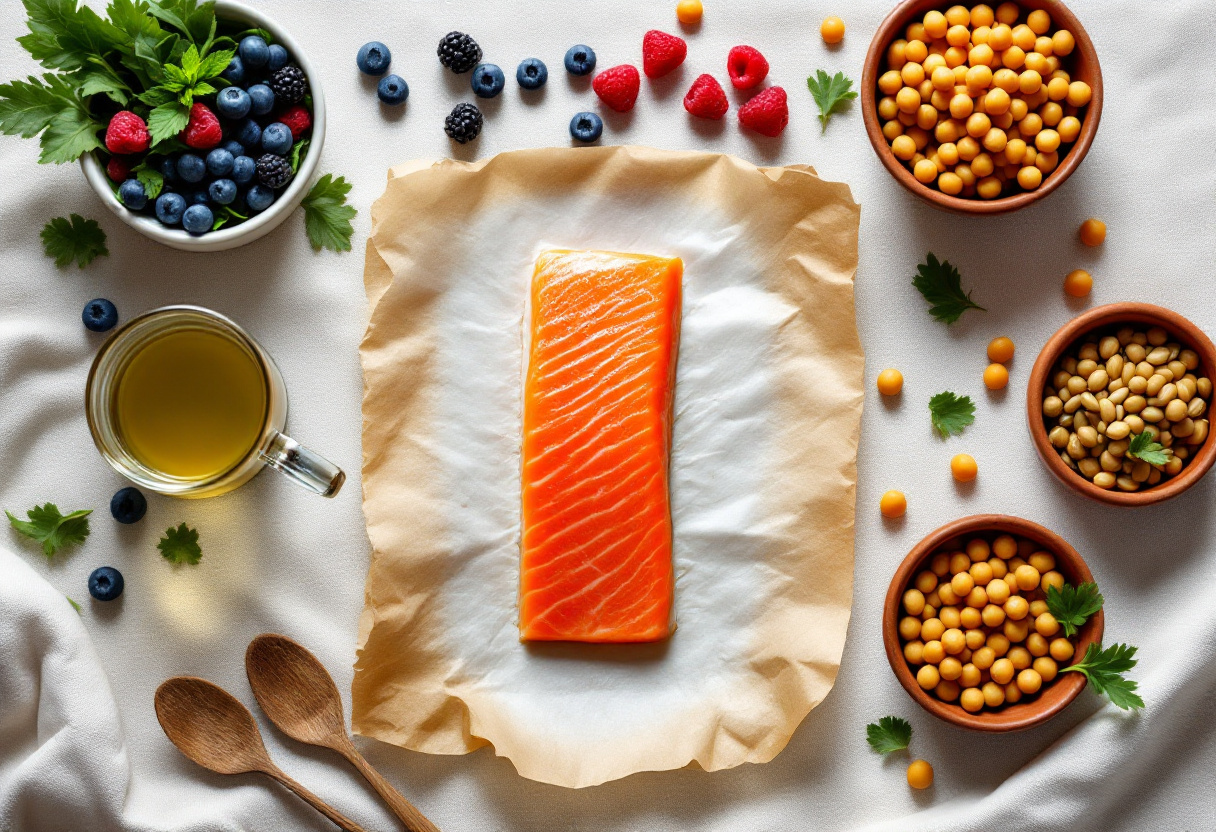
- Tinned sardines with bones (~350 mg per 100g) and tinned salmon with bones (~200–250 mg per 100g) — among the highest non-dairy calcium sources
- Calcium-set firm tofu — 200–350 mg per 100g; check the label for calcium sulphate in the ingredients, not nigari
- White beans and edamame — 90–130 mg per 100g cooked
- Almonds — ~75 mg per 30g serving
- Fortified plant milks — most are fortified to 120 mg per 100ml, matching cow's milk; check the label
- Kale and bok choy — 100–150 mg per cooked cup, with high absorption rates due to low oxalate content
If you eliminate dairy entirely, a calcium supplement of around 500 mg per day (split doses absorb better than a single large dose) alongside 1,000–2,000 IU vitamin D3 is a sensible safety net. Vitamin D supplementation is worth taking regardless of dairy choices — deficiency is extremely common in PCOS and independently worsens insulin resistance and cycle regularity.
What to keep, reduce, and replace
The practical target isn't eliminating dairy — it's replacing the dairy forms with the worst PCOS profile with the ones that have the best. Here's the full breakdown:
- Full-fat plain Greek yogurt
- Plain kefir (unsweetened)
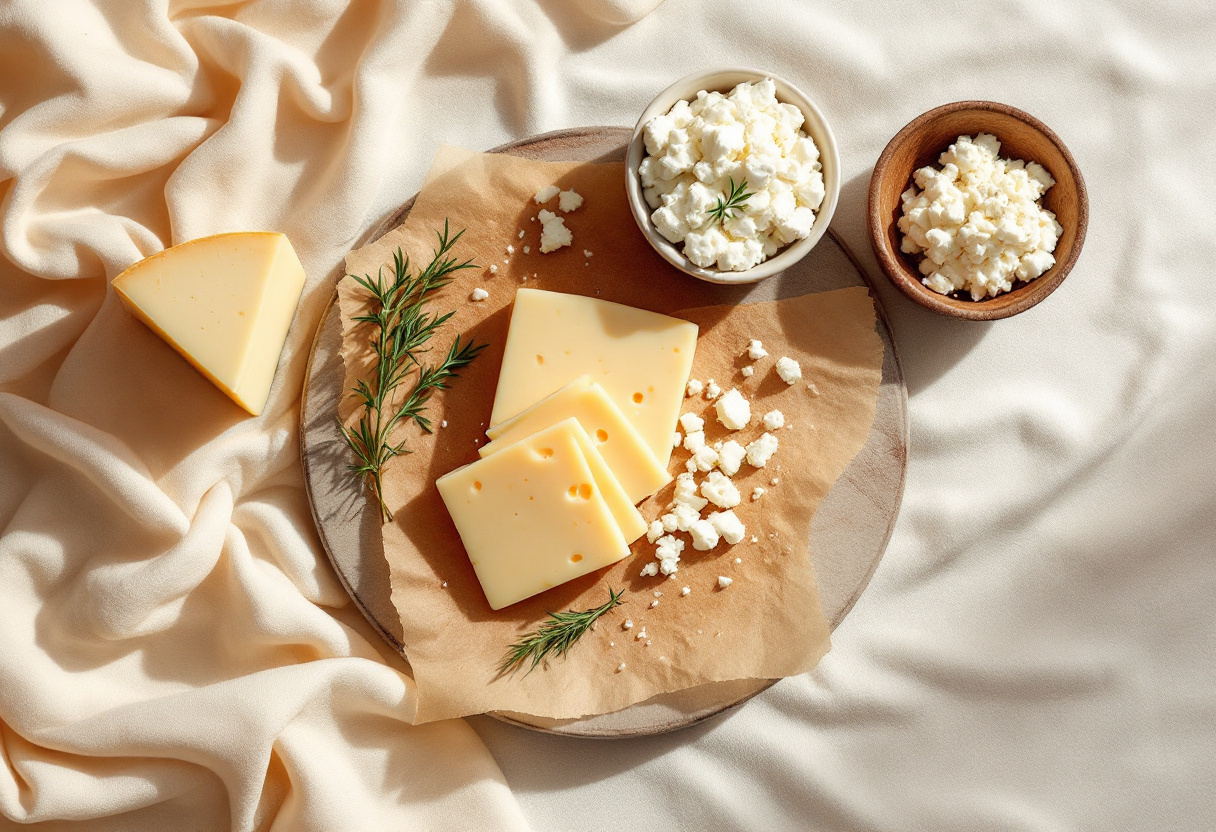
- Aged hard cheese — parmesan, cheddar, feta
- Full-fat cottage cheese
- Whole milk in small amounts
- Whole milk in large volumes
- Cream and butter (low protein, low insulin effect)
- Soft cheeses (brie, ricotta)
- Full-fat flavoured yogurt with minimal sugar
- Skim and low-fat milk
- Whey protein powder
- Sweetened flavoured yogurts
- Flavoured dairy drinks and smoothies
- Low-fat cottage cheese
This article is for general educational purposes and does not constitute medical advice. If you have PCOS, speak with a registered dietitian before making significant dietary changes, particularly around calcium intake.
References
- Ostman E, et al. Inconsistency between glycemic and insulinemic responses to regular and fermented milk products. Am J Clin Nutr. 2001;74(1):96–100. PubMed ↗
- Adebamowo CA, et al. High school dietary dairy intake and teenage acne. J Am Acad Dermatol. 2005;52(2):207–14. PubMed ↗
- Rich-Edwards JW, et al. Dairy foods, calcium, and risk of ovulatory infertility. Hum Reprod. 2007;22(5):1340–7. PubMed ↗
Frequently asked questions
The right dairy. The right portion. Every day.
HerMeal builds your plan around full-fat fermented dairy — Greek yogurt, cottage cheese, aged hard cheeses — in portions that fit your insulin resistance profile. No guessing which dairy helps and which hurts.
Build my free planGet Your Custom PCOS Meal Plan in Minutes
Personalised protein targets, low-GI meal plans, auto-generated grocery lists, and AI meal swaps — built around your PCOS profile.
Start Your Free 7-Day Trial