PCOS and Gut Health How Your Microbiome Affects Your Hormones
Your gut bacteria directly influence your insulin levels and hormone balance—fixing your microbiome is a practical PCOS strategy.
If you have PCOS, you've likely heard about insulin resistance and inflammation. What you may not know is that your gut bacteria are actively orchestrating both of these problems—and fixing them. Recent research has revealed that the composition of your microbiota directly influences your hormone levels, metabolic health, and the inflammatory cascade driving many PCOS symptoms [2]. This isn't theoretical: your dietary choices shape which bacteria thrive in your gut, and those bacteria in turn affect how your body processes insulin and regulates oestrogen. Understanding this connection gives you a concrete, actionable lever for managing PCOS.
🔑 Key takeaways
- Your gut microbiota affects insulin resistance and inflammation, two core PCOS drivers, through mechanisms like lipopolysaccharide (LPS) production
- High-fibre diets actively reshape your microbiota composition in ways that improve PCOS symptoms
- Specific dietary changes—soluble fibre, polyphenol-rich foods, fermented foods—can be implemented immediately without expensive supplements
- Probiotic yeasts show promise in reducing PCOS-related inflammation, though evidence remains emerging
Contents
How Your Gut Microbiota Influences PCOS
Your gut microbiota—the trillions of bacteria living in your intestines—is not a passive bystander in PCOS. Research published in 2025 has shown that dysbiosis (an imbalanced microbiota) is intimately linked to the metabolic and inflammatory hallmarks of PCOS, particularly insulin resistance 2. The mechanism is surprisingly direct: certain bacteria produce lipopolysaccharide (LPS), an inflammatory compound that leaks across the intestinal barrier when the microbiota is dysbiotic. This triggers systemic inflammation, worsens insulin resistance, and disrupts the delicate hormone signalling that PCOS already compromises.
Your microbiota also affects how oestrogen is metabolised and reabsorbed—a function mediated by a collection of gut bacterial genes called the oestrobolome. An imbalanced microbiota can disrupt this oestrogen-regulating function, leading to problematic oestrogen levels that worsen hormonal symptoms. In essence, your gut bacteria are a hidden endocrine organ, and PCOS is partly a gut dysbiosis problem wearing a hormonal disguise.
What the Evidence Shows About Diet and Microbiota in PCOS
The good news is that your microbiota is not fixed. It responds rapidly to dietary changes. A 2021 study found that a high-fibre diet, with or without acarbose (an alpha-glucosidase inhibitor), significantly improved PCOS phenotypes by reshaping the microbiota composition 5. This is not marginal: dietary fibre directly selects for beneficial bacteria that produce short-chain fatty acids (SCFAs)—metabolites that improve insulin sensitivity and reduce inflammation.
More recent guidance from 2026 emphasises that dietary interventions targeting the microbiome should focus on fibre diversity and polyphenol intake rather than relying on probiotic supplements alone 3. The evidence suggests that what you feed your bacteria matters far more than which commercial strains you consume.
Fibre: The Foundation of a Healthy Microbiota
Fibre is not glamorous, but it is non-negotiable for PCOS management. When you eat soluble and insoluble fibre, you are directly feeding beneficial bacteria like Faecalibacterium prausnitzii and Roseburia species, which in turn produce butyrate—a short-chain fatty acid that strengthens your intestinal barrier and improves insulin sensitivity.
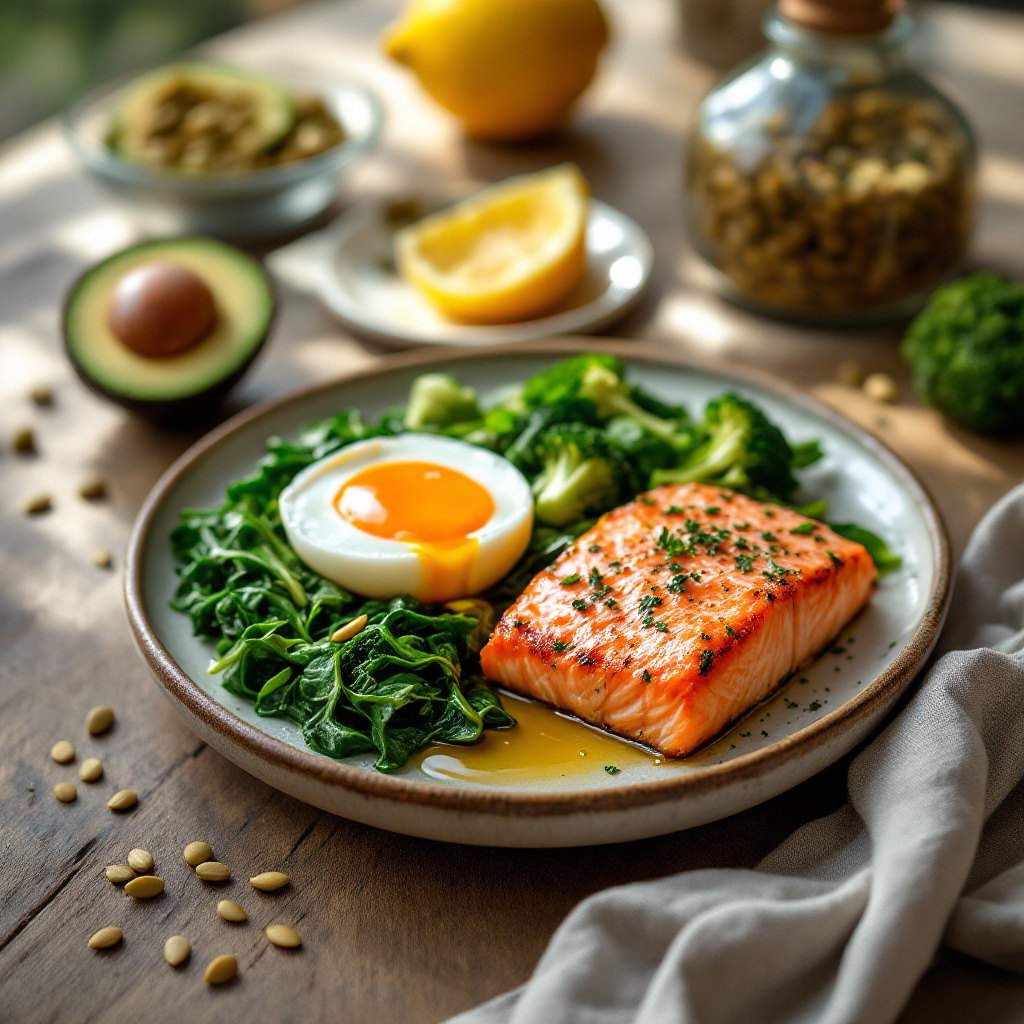
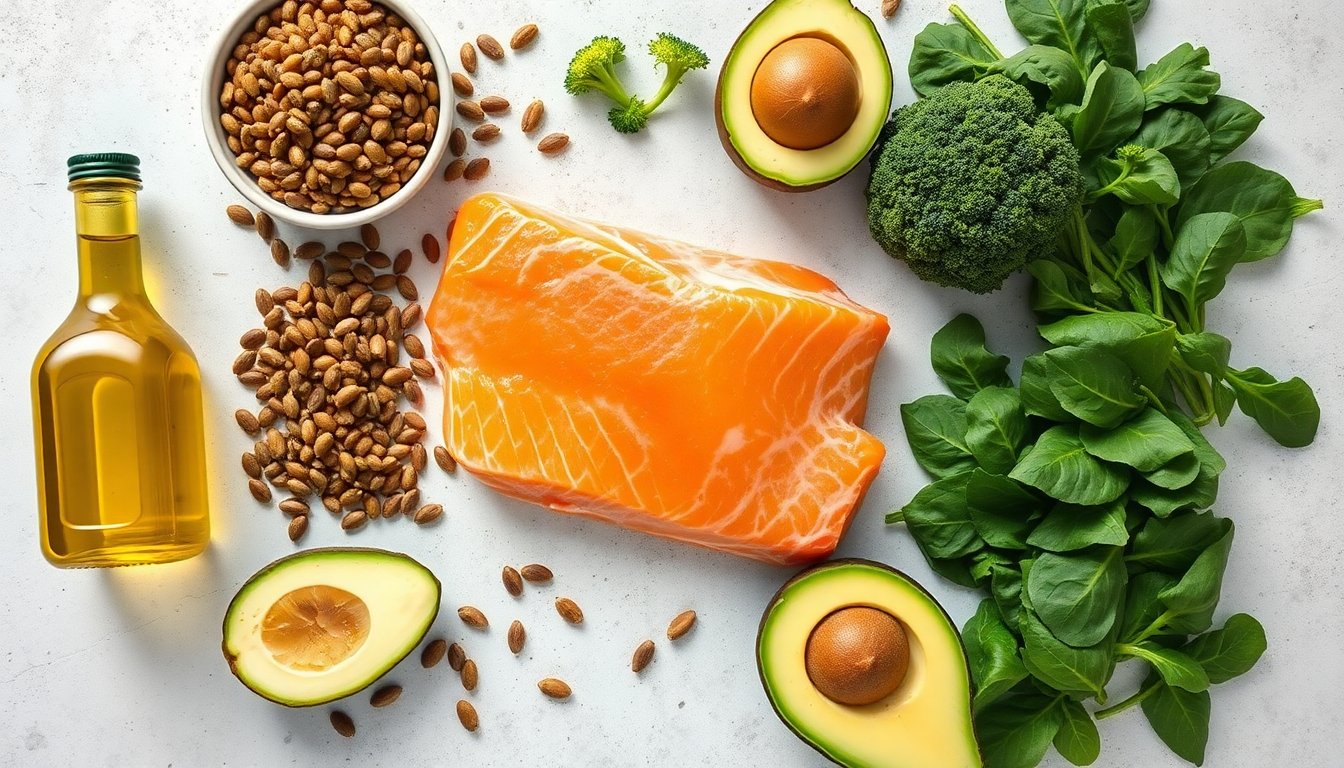
The practical target: aim for 25-30g of fibre daily, increasing gradually to avoid bloating. Focus on variety: oats, barley, legumes, vegetables (especially leafy greens and broccoli), seeds (flax, chia), and whole grains. If you have PCOS and are not eating this much fibre, this single change is often one of the highest-impact interventions you can make.
Polyphenols and Fermented Foods: Supporting Cast
Polyphenols—compounds found in colourful plants, berries, tea, and coffee—are another crucial dietary component for microbiota health. These compounds are poorly absorbed in the small intestine but reach the colon largely intact, where your bacteria ferment them into beneficial metabolites. Research suggests that polyphenol-rich diets support a more diverse, anti-inflammatory microbiota profile 3.
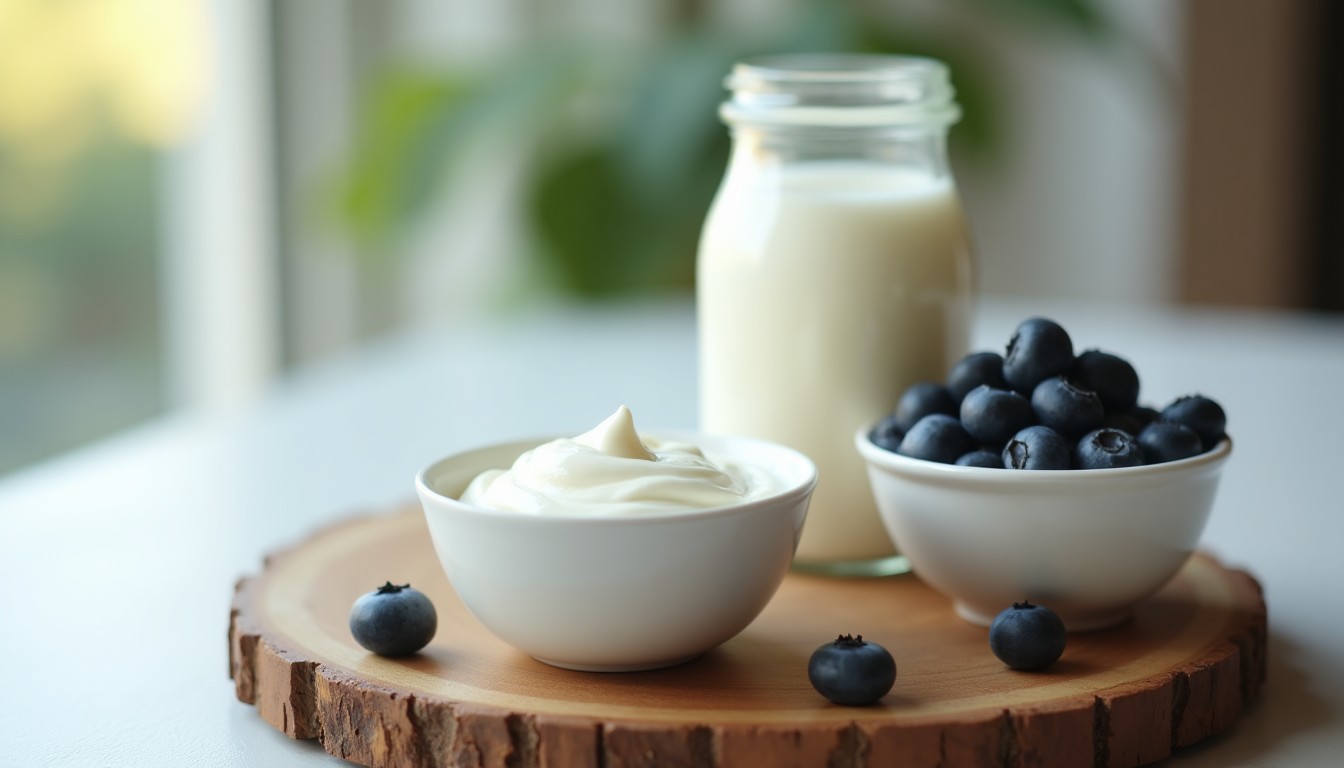
Fermented foods like unsweetened yoghurt, sauerkraut, kimchi, tempeh, and kefir contain live bacteria that may temporarily boost beneficial species, though they are not a substitute for adequate fibre. The key is consistency: these foods work best as part of a fibre-rich dietary pattern rather than as standalone "superfoods".
What About Probiotics for PCOS?
The evidence for probiotic supplementation in PCOS is preliminary but emerging. A 2026 study found that Saccharomyces boulardii CNCM I-745, a yeast probiotic, reduced PCOS-related insulin resistance by suppressing LPS-mediated inflammation in an animal model 4. However, this research has not yet translated into robust human trials, so probiotics should not be viewed as a primary intervention. If you choose to use a probiotic, select a strain with some PCOS-relevant research (such as specific Lactobacillus or Bifidobacterium species) rather than a generic multispecies blend, and give it at least 8-12 weeks of consistent use before evaluating benefit. Most importantly: probiotic supplements will not work without a fibre-rich diet to sustain the bacteria.
Putting It Into Practice
The microbiota-focused approach to PCOS is not about perfection or expensive supplements. It is about shifting your diet incrementally toward foods that feed beneficial bacteria and away from ultra-processed foods that feed harmful species. Research from 2021 recommends viewing nutrition strategy in PCOS as a long-term lifestyle change rather than a short-term fix 1. Your microbiota will not rebalance in a week, but measurable improvements in insulin sensitivity and cycle regularity often emerge within 8-12 weeks of consistent dietary change.
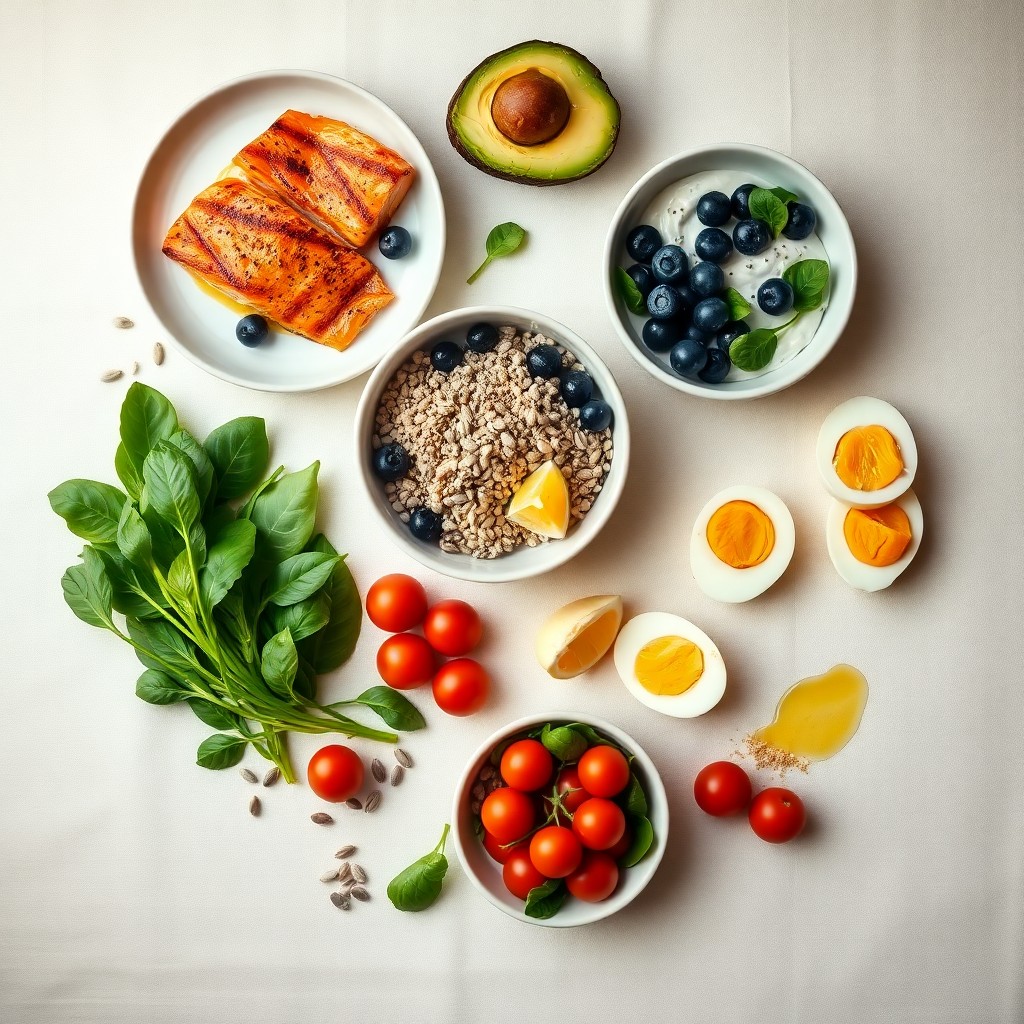
Start with one area: if your fibre intake is low, increase it gradually. If you eat few polyphenol-rich foods, add a serving of berries or leafy greens each day. If you are stressed or eating a lot of processed food, both of which damage the microbiota, begin addressing one of these. Small, sustainable changes compound over time into a fundamentally different microbiota composition—and with it, better hormone and metabolic balance.
References
- Szczuko M, Kikut J, Szczuko U, et al. (2021). Nutrition Strategy and Life Style in Polycystic Ovary Syndrome-Narrative Review. Nutrients, 13. PubMed ↗
- Li C, Cheng D, Ren H, et al. (2025). Unraveling the gut microbiota's role in PCOS: a new frontier in metabolic health. Frontiers in endocrinology, 16:1529703. PubMed ↗
- Patel E (2026). Dietary interventions for modulating the gut microbiome in PCOS management. Frontiers in endocrinology, 17:1713408. PubMed ↗
- Sil S, Ghosh A, Kar TK, et al. (2026). S. boulardii CNCM I-745 a yeast probiotic attenuates PCOS-IR by suppressing LPS mediated inflammation in female rats. Journal of reproductive immunology, 174:104865. PubMed ↗
- Wang X, Xu T, Liu R, et al. (2021). High-Fiber Diet or Combined With Acarbose Alleviates Heterogeneous Phenotypes of Polycystic Ovary Syndrome by Regulating Gut Microbiota. Frontiers in endocrinology, 12:806331. PubMed ↗
Frequently asked questions
Get a meal plan built around this
Generate your personalised 5-day PCOS & PMOS meal plan free — high protein, hormone-balancing, built around your fasting window and profile.
Start free trial