15 PCOS Recipes That Actually Balance Your Hormones
High protein, low-GI, anti-inflammatory — and actually delicious. A practical week of PCOS recipes that target insulin resistance at every meal.
Most recipe content for PCOS is either too vague ("eat more vegetables!") or too restrictive to be sustainable. What your hormones actually need is specific: high protein at every meal, low-GI carbohydrates, anti-inflammatory ingredients, and no added sugar. These 15 PCOS recipes are built around that exact framework — practical, real-food, and designed for busy women rather than recipe bloggers with unlimited prep time.
Key Takeaways
- Aim for 35–45g protein per main meal to blunt post-meal insulin spikes
- Always pair carb sources with protein and healthy fat — never eat them alone
- Salmon, olive oil, blueberries, and leafy greens directly reduce PCOS-related inflammation
- Batch cooking 2–3 recipes per week is more sustainable than cooking every day
- These recipes suit most PCOS phenotypes including lean PCOS — calorie targets may differ, core food choices are the same
In This Article
What Makes a Recipe Genuinely PCOS-Friendly?
Not every "healthy" recipe works for PCOS. A smoothie bowl made from banana, oat milk, and granola looks nourishing but delivers a direct insulin spike — the exact opposite of what PCOS needs. A genuinely PCOS-appropriate recipe hits four criteria:
- High protein — 35g minimum per main meal, so gastric emptying slows and post-meal insulin stays controlled
- Low-GI carbs — quinoa, sweet potato, lentils, oats (not instant), and berries instead of high-sugar fruit or refined grains
- Anti-inflammatory fats — salmon, olive oil, avocado, and nuts reduce the chronic low-grade inflammation that drives most PCOS symptoms
- No added sugar — including honey, maple syrup, and "natural" sweeteners that still spike insulin the same way
Every recipe below meets all four criteria. As always, this is general nutritional guidance — speak to your doctor or dietitian for personalised advice specific to your health situation.
PCOS Breakfast Recipes
1Salmon and Scrambled Eggs
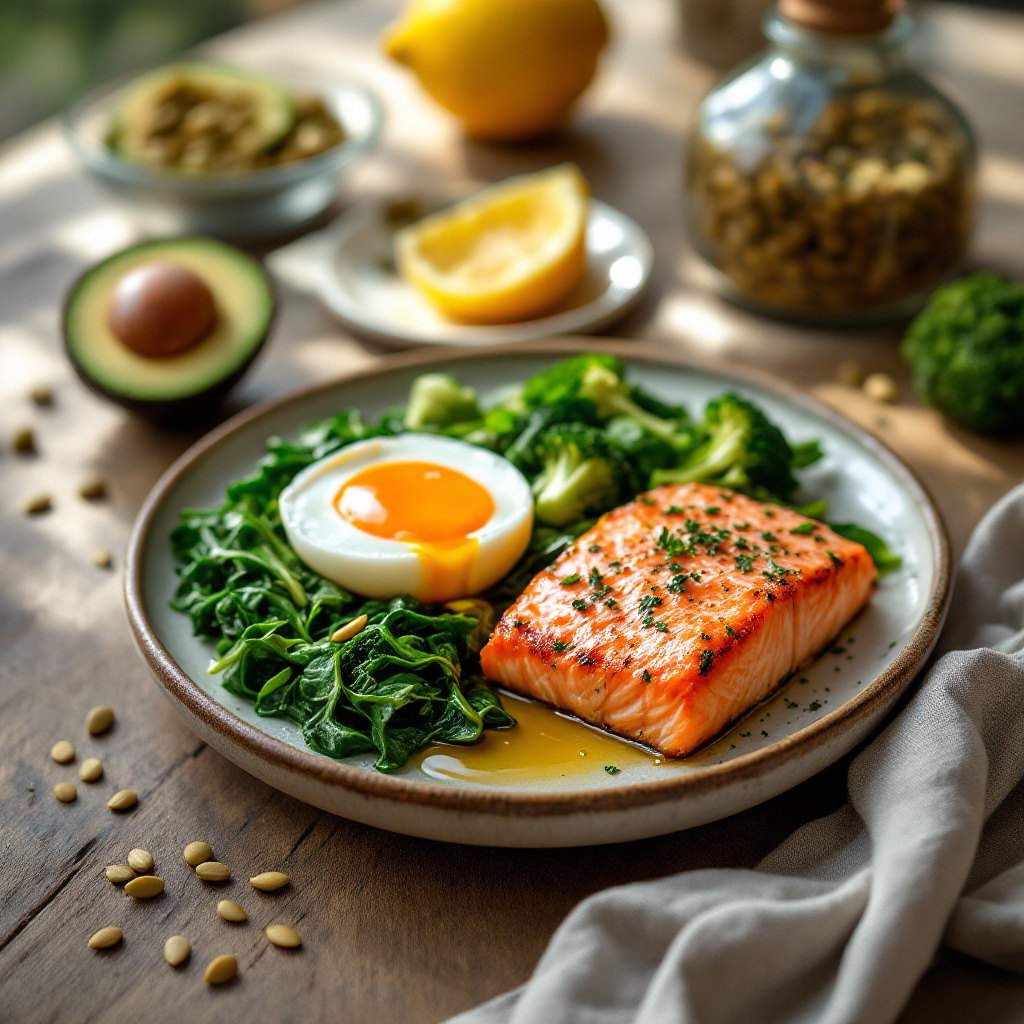
Two eggs scrambled with 80g smoked salmon, wilted spinach, and a drizzle of olive oil, served on a slice of sourdough. Roughly 38g protein and steady energy for 4–5 hours. The omega-3s in salmon are among the most evidence-backed interventions for reducing PCOS-related inflammation.
2Greek Yogurt Bowl with Berries and Pumpkin Seeds
200g full-fat Greek yogurt (plain, never flavoured), 80g blueberries or raspberries, 2 tbsp pumpkin seeds, and a sprinkle of cinnamon. Around 22g protein. Cinnamon has been shown to improve insulin sensitivity — and it makes this taste far better than it has any right to.
3Chia Seed Pudding
3 tbsp chia seeds soaked overnight in 200ml unsweetened almond milk. Top with sliced strawberries and a small handful of walnuts. High in omega-3 ALA, soluble fiber, and slow-release energy. Add a scoop of unflavoured protein powder if you need to reach higher protein targets.
4Cottage Cheese Pancakes
Blend 150g cottage cheese, 2 eggs, and 3 tbsp oat flour. Cook in a lightly oiled pan and top with fresh berries — not maple syrup. Approximately 28g protein per serving and ready in under 10 minutes. These genuinely taste like real pancakes and keep hunger away until lunch.
5Turkey and Egg Muffins
Whisk 4 eggs with diced turkey breast, spinach, and crumbled feta. Pour into a greased muffin tin and bake at 180°C for 18 minutes. Makes 6 muffins — eat 3 now, refrigerate 3 for tomorrow. Around 30g protein per serving and one of the best PCOS meal prep options going.
PCOS Lunch and Dinner Recipes
6Lemon Herb Salmon with Quinoa and Broccoli
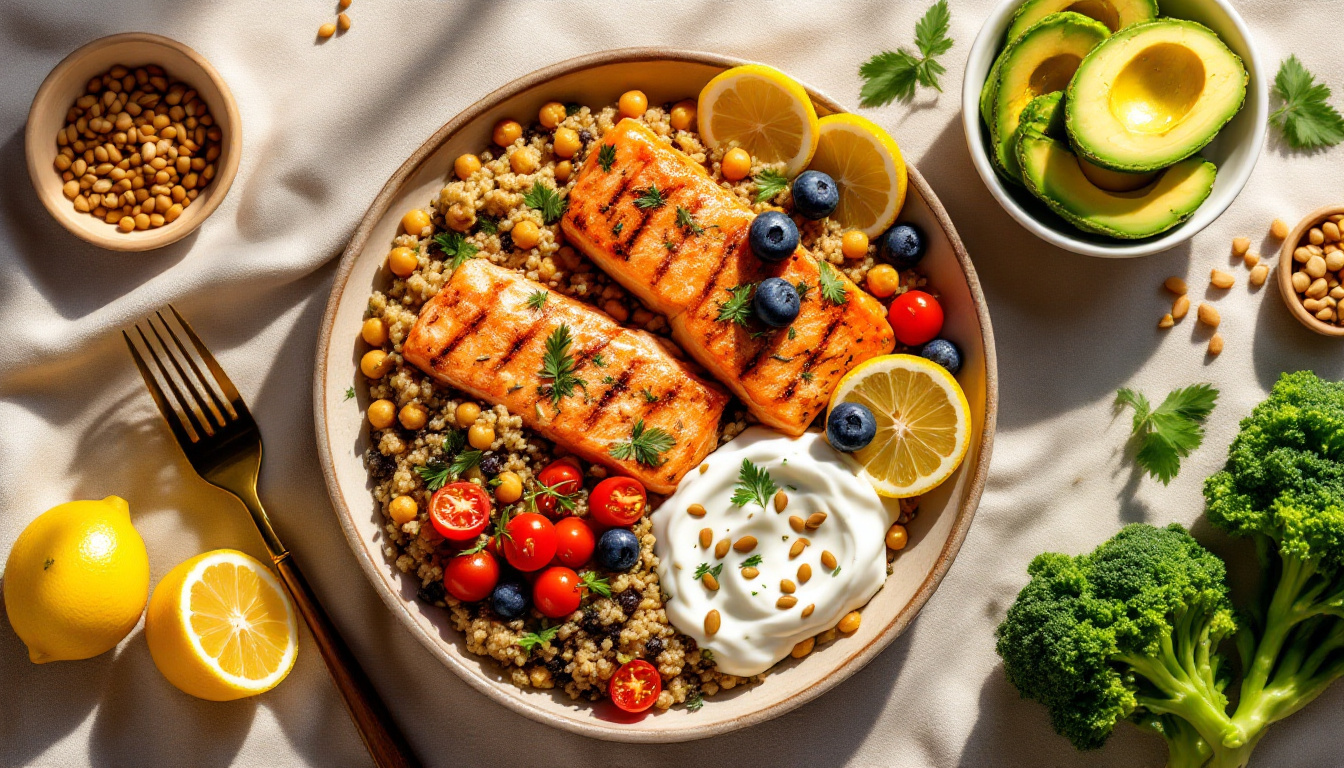
Season a salmon fillet with lemon, garlic, and fresh dill. Roast at 200°C for 15 minutes alongside broccoli florets. Serve over 80g (dry weight) quinoa. Around 45g protein, high in omega-3, zinc, and fiber — this is the PCOS dinner you'll make on rotation without ever getting tired of it.
7Turkey Stuffed Peppers
Halve two bell peppers and fill with lean turkey mince, canned tomatoes, onion, garlic, and a pinch of smoked paprika. Top with feta and bake at 180°C for 30 minutes. High protein, high fiber, naturally low-GI. Batch cook four and refrigerate — they reheat perfectly for lunch the next day.
8Chickpea and Spinach Curry
Sauté onion and garlic in olive oil. Add turmeric, cumin, and garam masala, then one can of chickpeas and one can of crushed tomatoes. Stir through a large handful of fresh spinach and serve with cauliflower rice. Turmeric is a well-studied anti-inflammatory — this is one of the most functional PCOS recipes you can make.
9Greek Chicken Bowl
Marinate chicken breast in lemon, olive oil, oregano, and garlic. Grill or pan-fry, then serve over mixed greens with cucumber, cherry tomatoes, olives, and a spoonful of tzatziki. Approximately 42g protein, fast to prepare, and endlessly versatile with whatever vegetables you have on hand.
10Baked Cod with Sweet Potato and Asparagus
Season a cod fillet with smoked paprika and olive oil. Roast alongside cubed sweet potato and asparagus at 200°C for 20 minutes. Sweet potato provides slow-release carbohydrates without the insulin spike of white potato — and the whole meal comes together on a single tray.
11Lentil and Vegetable Soup
Simmer red lentils with diced carrot, celery, onion, canned tomatoes, and vegetable stock. Season with cumin and turmeric. High in plant protein, iron, and prebiotic fiber — the kind that feeds gut bacteria specifically associated with better PCOS hormone outcomes. Make a large pot on Sunday and freeze half.
12Tuna and Avocado Salad Bowl
Drain a can of tuna in spring water. Mix with half a diced avocado, cucumber, cherry tomatoes, red onion, and a squeeze of lemon. Serve over mixed greens. Ready in five minutes, around 35g protein, and requires zero cooking. This is the recipe for the days when cooking simply isn't happening.
PCOS Snacks
13Hard-Boiled Eggs with Hummus
Two hard-boiled eggs with 3 tbsp hummus and vegetable sticks. Stable blood sugar, about 18g protein, and completely portable. One of the most consistently recommended PCOS snack combinations for managing mid-afternoon energy dips without reaching for something that spikes insulin.
14Apple with Almond Butter
One medium apple — low-GI compared to most other fruit — with 2 tbsp almond butter. The fat and protein in the nut butter significantly slows glucose absorption from the apple. This is the right way to eat fruit with PCOS: always paired with something that blunts the glucose response.
15Edamame with Sea Salt
150g shelled edamame, lightly salted. Around 17g plant protein, high in zinc — an important mineral for PCOS hormone regulation — and genuinely filling. One of the easiest high-protein snacks you can keep in your freezer. Ready from frozen in three minutes in the microwave.
How to Build a Week Around These
The gap between reading recipes and actually eating well comes down to planning. Pick two breakfast options and rotate them across the week — variety without decision fatigue. Choose three dinners, cook double portions, and use the leftovers for lunch the next day. Keep snacks stocked and ready so hunger doesn't become the reason you reach for something you didn't intend to eat.
A simple starting week: Monday and Wednesday use recipe 6 (salmon and quinoa). Tuesday and Thursday use recipe 7 (turkey stuffed peppers). Friday uses recipe 9 (Greek chicken bowl). Breakfast rotates between recipes 1 and 2. Snacks are always recipe 13 or 14, prepped the night before.
That's one shop, minimal cooking, and every meal hitting the protein and carb targets PCOS needs. If you want a fully personalised plan — your specific calorie goal, protein target, fasting window, and food preferences all built in — that's exactly what HerMeal generates in 60 seconds. See the PCOS weight loss guide for more on how to structure your targets, or what to eat with PCOS for the full food framework behind these recipes.
Get a full week of PCOS recipes built for you
Your calorie goal, protein target, fasting window, and food preferences — all in a personalised 7-day plan with recipes, macros, and a grocery list. Generated in 60 seconds.
Start free trialCommon Questions
What are the best PCOS recipes for weight loss? ▼
Can I eat carbs with PCOS? ▼
Are these recipes suitable for lean PCOS? ▼
How much protein should I eat with PCOS? ▼