PMOS and Insulin Resistance: The Diet That Targets the Metabolic Root Cause
Insulin resistance isn't a symptom of PMOS — it's the driver. Fix it with food, and hormones follow.
Most women with PMOS (formerly called PCOS) are told to "eat healthier" or "lose weight" — but no one explains why. The missing piece is insulin resistance. Your cells have become less responsive to insulin, so your pancreas pumps out more and more to manage blood sugar. That excess insulin triggers your ovaries to produce androgens (male hormones), disrupting ovulation and causing the symptoms you experience. The good news: a diet specifically designed to restore insulin sensitivity can reverse this cascade at the metabolic level.
🔑 Key takeaways
- Insulin resistance is the metabolic engine of PMOS; a diet that restores insulin sensitivity addresses the root cause, not just irregular periods or excess hair growth.
- Protein-focused eating (25-30% of calories) combined with low glycaemic carbohydrates is the most evidence-backed nutritional approach for PMOS metabolic recovery.
- Consistent meal timing and avoiding ultra-processed foods matter more than obsessing over specific "superfoods" or extreme restriction.
- Even modest weight loss (5-10%) significantly improves ovulation, testosterone levels, and metabolic markers when the diet targets insulin sensitivity.
Contents
- Why Insulin Resistance Is the Real Problem with PMOS
- The Macronutrient Framework That Works
- Practical Eating Patterns That Support Insulin Sensitivity
- Weight Loss as a Tool, Not a Requirement
- Special Dietary Approaches: What the Evidence Shows
- Your Action Checklist for Starting Today
- Frequently asked questions
Why Insulin Resistance Is the Real Problem with PMOS
PMOS is fundamentally a metabolic disorder, not primarily an ovarian one. Studies estimate that between 70–85% of women with PCOS/PMOS have insulin resistance, though exact figures vary with diagnostic criteria, whether or not they are overweight. Insulin resistance means your muscle, liver, and fat cells no longer respond normally to insulin, so your pancreas keeps increasing output to force glucose into cells. This constant state of high insulin has three dangerous effects:
- It suppresses sex hormone binding globulin (SHBG), allowing more androgens to circulate free and unbound.
- It directly stimulates your ovaries to produce excess testosterone.
- It promotes weight gain, inflammation, and metabolic inflexibility (difficulty switching between fat and carbohydrate metabolism).
A 2025 systematic review 1 on lifestyle interventions in PCOS management found that dietary approaches are a cornerstone of evidence-based care. More specifically, a 2024 network meta-analysis 3 ranked dietary interventions by their effectiveness in PCOS, establishing which nutritional strategies actually produce measurable improvements in insulin sensitivity, weight, and hormone balance. The takeaway: you cannot think your way out of this with willpower alone. Your body chemistry must change first.
The Macronutrient Framework That Works
Not all diets improve insulin sensitivity equally. A 2023 umbrella review 6 examined meta-analyses of randomised controlled trials on nutrition and endocrine outcomes in PCOS, showing that macronutrient composition — the ratio of protein, carbohydrate, and fat — matters enormously.
Protein: The Non-Negotiable
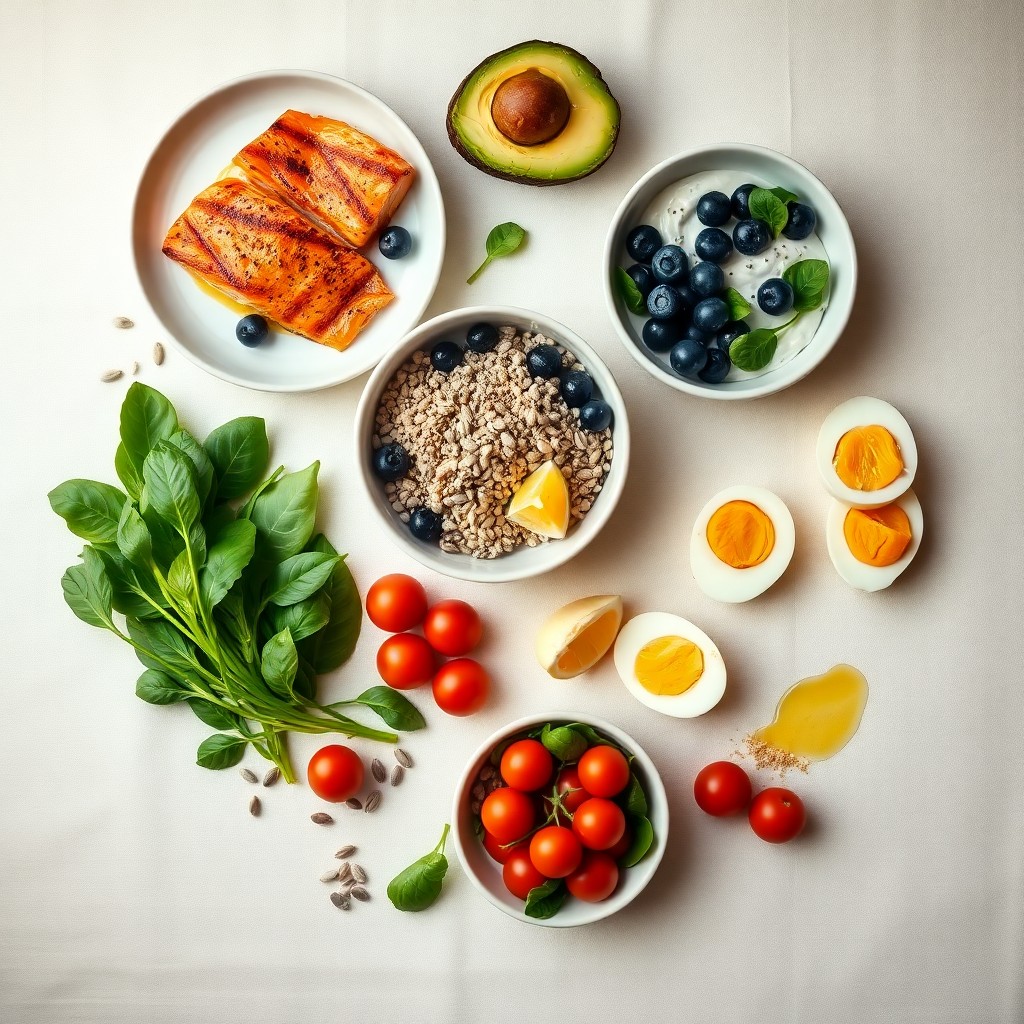
Aim for 25-30% of your daily calories from protein. This is not bodybuilding advice; it is insulin management. Protein stimulates glucagon (the hormone that opposes insulin), stabilises blood sugar between meals, increases satiety so you naturally eat fewer calories, and preserves lean muscle during weight loss. A 2017 review on nutritional management in PCOS 7 identified protein as a critical variable in reducing metabolic dysfunction. Include protein at every meal: eggs, Greek yoghurt, chicken, fish, legumes, tofu, cottage cheese.
Carbohydrates: Quality Over Quantity
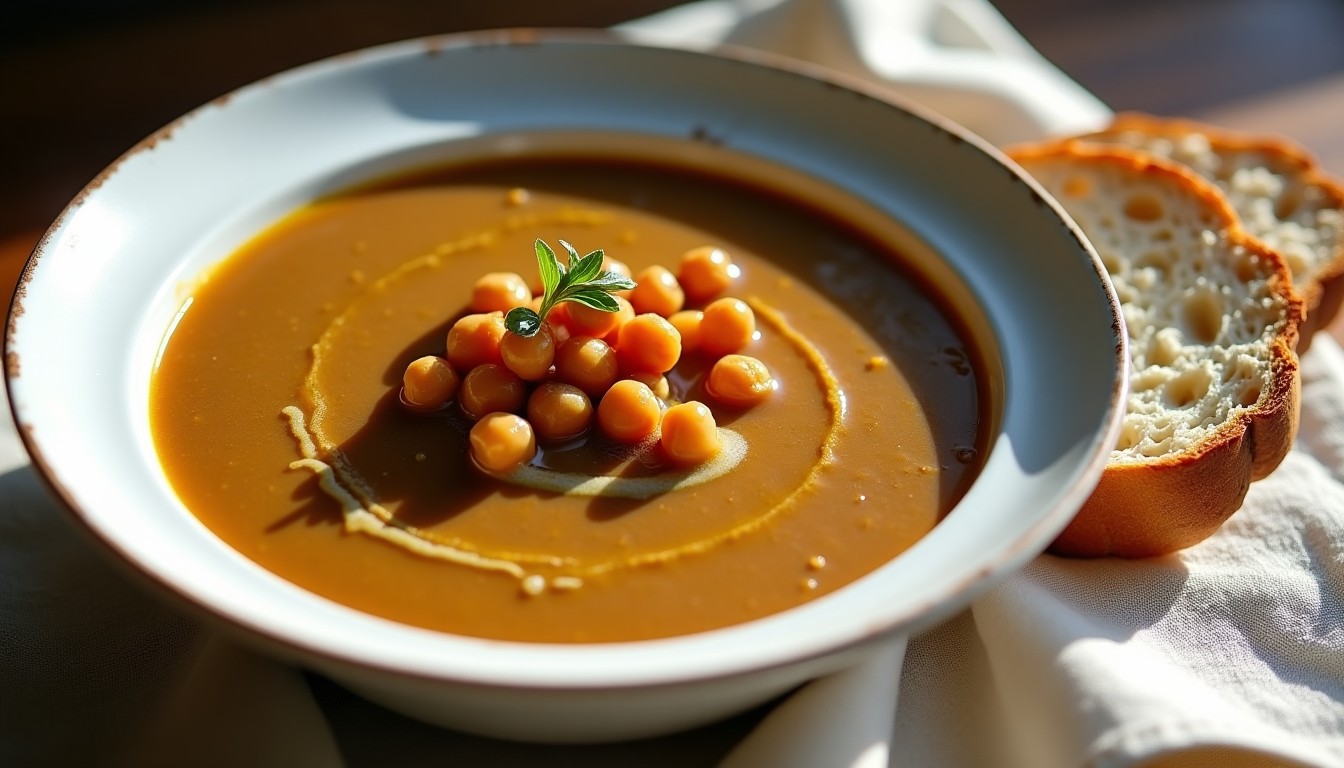
You do not need to eliminate carbohydrates. You need to choose ones that do not spike your blood sugar. Low glycaemic index carbohydrates — rolled oats, barley, lentils, chickpeas, sweet potato, non-starchy vegetables — release glucose slowly, keeping insulin demand manageable. Refined carbohydrates (white bread, pastries, sugary drinks, breakfast cereals) cause rapid blood sugar spikes, triggering the insulin surge that feeds your PMOS. A 2005 paper 8 on optimal diet for PCOS emphasised that carbohydrate quality was more important than absolute quantity, especially in insulin-resistant populations. When you do eat carbohydrates, combine them with protein and fibre to blunt the glycaemic response.
Fats: Strategic Not Restricted
Include 20-30% of calories from healthy fats — olive oil, avocados, fatty fish (salmon, sardines), nuts, seeds. Omega-3 polyunsaturated fats have anti-inflammatory properties relevant to PMOS. Do not fear fat; it slows stomach emptying and stabilises blood sugar. Avoid trans fats and limit saturated fat to under 10% of daily calories.
Practical Eating Patterns That Support Insulin Sensitivity
Macronutrient composition is only part of the story. How you eat matters too.
- Eat on a regular schedule: Skipping meals or eating sporadically increases insulin resistance. Aim for three meals and 1-2 snacks at roughly the same time each day.
- Avoid ultra-processed foods: These are engineered to override satiety signals and destabilise blood sugar. They drive insulin resistance faster than any whole food ever could.
- Prioritise fibre: Aim for 25-30g daily from whole grains, legumes, vegetables, and fruit. Fibre feeds your gut microbiome and slows glucose absorption.
- Limit free sugars: This includes honey, fruit juice, and added sugars. Whole fruit is fine because it comes with fibre. Do not drink sugar.
Weight Loss as a Tool, Not a Requirement
A 2025 comprehensive review 2 on nutritional and herbal interventions for PCOS examined the impact of macronutrient distribution and dietary approaches on metabolic and endocrine recovery. The consistent finding: even 5-10% weight loss produces measurable improvements in ovulation, testosterone, and fasting insulin when the weight loss is achieved through a diet that improves insulin sensitivity. This matters because many women with PCOS are normal weight or only slightly overweight, yet still insulin-resistant. Your goal is not thinness; it is metabolic recovery. If you weigh 70kg and lose 3.5-7kg through eating for insulin sensitivity, your ovulation may resume, your acne may clear, and your energy may improve — not because you are suddenly "worthy" of health, but because your cells' ability to respond to insulin has genuinely shifted.
Special Dietary Approaches: What the Evidence Shows
Some women ask whether ketogenic diets, licorice supplementation, or other specialised approaches help. A 2025 meta-analysis 4 on ketogenic diet effects in PCOS found measurable metabolic improvements, though sustained adherence remains a challenge for many. A 2024 randomised controlled trial 5 examined licorice extract combined with a low-calorie diet in overweight women with PCOS, showing additional benefit from the herbal intervention alongside calorie restriction. These are tools, not requirements. Most women see excellent metabolic recovery with a well-structured, higher-protein, low glycaemic diet that they can sustain indefinitely.
Your Action Checklist for Starting Today
- Add protein to breakfast (eggs, Greek yoghurt, cottage cheese, sausage) so you hit 20-30g in the first meal.
- Replace one refined carb you eat daily with a low glycaemic alternative (white rice to brown rice; white bread to sourdough or wholemeal).
- Drink water, black coffee, or tea instead of any sugar-sweetened or fruit juice drinks for one week and notice your energy and cravings shift.
- Plan your meals at roughly the same times each day; erratic eating disrupts insulin signalling.
- Fill half your plate with non-starchy vegetables at lunch and dinner; they provide volume and fibre without spiking insulin.
- Remove two ultra-processed snacks from your home this week and replace them with whole foods (nuts, fruit, cheese, boiled eggs).
- Track your energy, sleep, and mood alongside any other health metrics; metabolic healing is often felt before it shows on a scale.