PMOS Weight Loss: Why Standard Diets Fail and What Actually Works
Standard diets fail PCOS weight loss because they ignore insulin resistance — but metabolic-first eating actually works.
If you have PCOS (increasingly called PMOS — Polycystic Metabolic-Ovarian Syndrome — because the condition is driven by metabolic dysfunction, not ovarian dysfunction), you probably already know that standard diets do not work the way they work for other people. You eat less, move more, and the weight stubbornly stays. This is not a failure of willpower or discipline. Your metabolism is working against you in ways that calorie-counting diets cannot address. Understanding why conventional approaches fail — and what metabolic-first nutrition actually looks like — is the difference between years of frustration and real, sustainable results.
🔑 Key takeaways
- PMOS is a metabolic disorder, not an ovarian one; insulin resistance drives weight gain independently of calories consumed
- Calorie restriction alone triggers metabolic compensation and abandonment because it ignores the underlying metabolic block
- High-protein, high-fibre, lower-glycaemic eating improves insulin sensitivity and reduces hunger without willpower warfare
- Weight loss in PMOS requires healing metabolism first, fat loss second — the order matters
Contents
Why Standard Diets Fail with PMOS
A standard diet — typically a low-calorie, low-fat approach — treats weight loss as a simple equation: burn more than you consume, and fat will follow. This logic works for people without insulin resistance. For people with PMOS, it collides with metabolic reality.
The core problem is insulin resistance. In PMOS, your cells do not respond normally to insulin, so your pancreas produces more and more to do the job. High circulating insulin tells your body to store energy as fat and makes it difficult to access that fat for energy. When you restrict calories on a standard diet, your body interprets this as threat. Metabolic rate drops. Hunger hormones surge. You feel deprived because your metabolism genuinely is working harder against you, not with you.
After weeks or months of fighting this metabolic resistance, most people quit. And they blame themselves. The truth is simpler and kinder: the diet was designed for a different metabolic problem.
The Metabolic Mismatch in PMOS
In PMOS-driven weight gain, the sequence is inverted from what standard advice assumes. The metabolic dysfunction comes first. Insulin resistance leads to hyperinsulinaemia (high circulating insulin), which drives fat storage and prevents fat mobilisation. Overeating is often a symptom, not a cause.
This explains why you might eat the same food as a friend without PMOS and gain weight whilst she does not. It is not that you lack discipline. Your insulin is working harder, your hunger signals are disrupted by hormonal dysregulation, and your body is actively resisting fat mobilisation. Calorie restriction without addressing this metabolic block is like trying to bail out a boat without plugging the leak.
What Actually Works for PMOS Weight Loss
Stabilise insulin, then weight loss follows. Rather than fighting hunger and fatigue through low-calorie restriction, the evidence-supported approach focuses on eating in a way that improves insulin sensitivity. This typically means:
- Higher protein intake (25-30% of calories) — protein has the highest thermic effect, reduces hunger, and produces a lower insulin response than carbohydrates
- Whole-grain and low-glycaemic carbohydrates — these do not trigger the same insulin spike as refined carbs, meaning less hormonal drive to store fat
- Adequate fibre (25-30g daily) — slows carbohydrate absorption, stabilises blood sugar, and feeds beneficial gut bacteria
- Planned meal timing — avoiding long periods without food, which can trigger metabolic compensation and blood sugar crashes
The weight loss that follows is not because you are eating fewer calories (though often you naturally will, because protein and fibre are satiating). It is because your insulin has dropped, your body is no longer fighting against you, and your appetite is regulated by hormones that reflect your actual energy needs.
The Metabolic-First Approach Differs from Standard Dieting
A metabolic-first approach prioritises food quality and composition over quantity. You are not counting calories obsessively or cutting portions to dangerous levels. You are choosing foods that work with your metabolism instead of against it. This is sustainable in a way calorie restriction is not.
Many women with PMOS report that once they shift to protein-rich, fibre-rich, lower-glycaemic eating, hunger naturally decreases. They feel full on smaller portions not because of willpower but because they are actually satisfied. Energy stabilises. Mood improves. Cravings diminish. These are not mystical; they are the result of stabilised blood sugar and reduced insulin fluctuations.
Practical Steps to Start Today
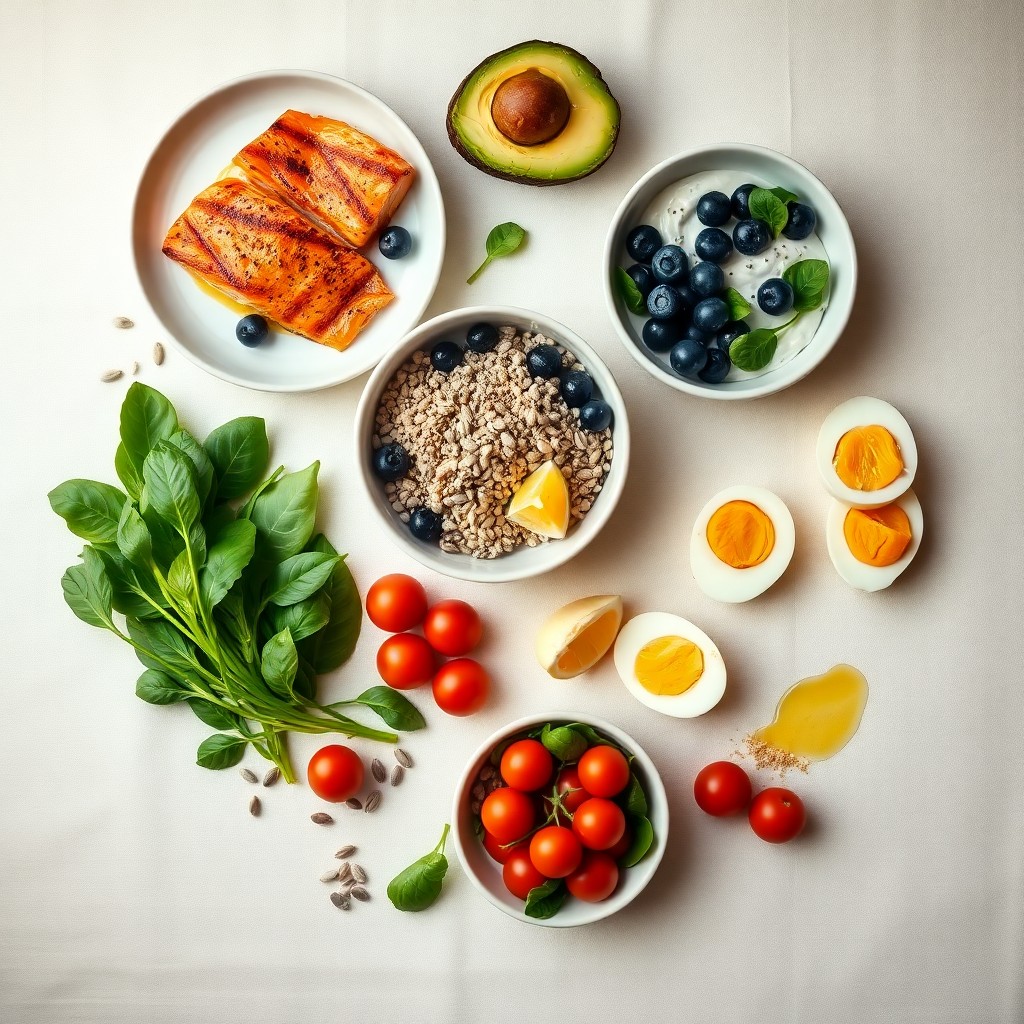
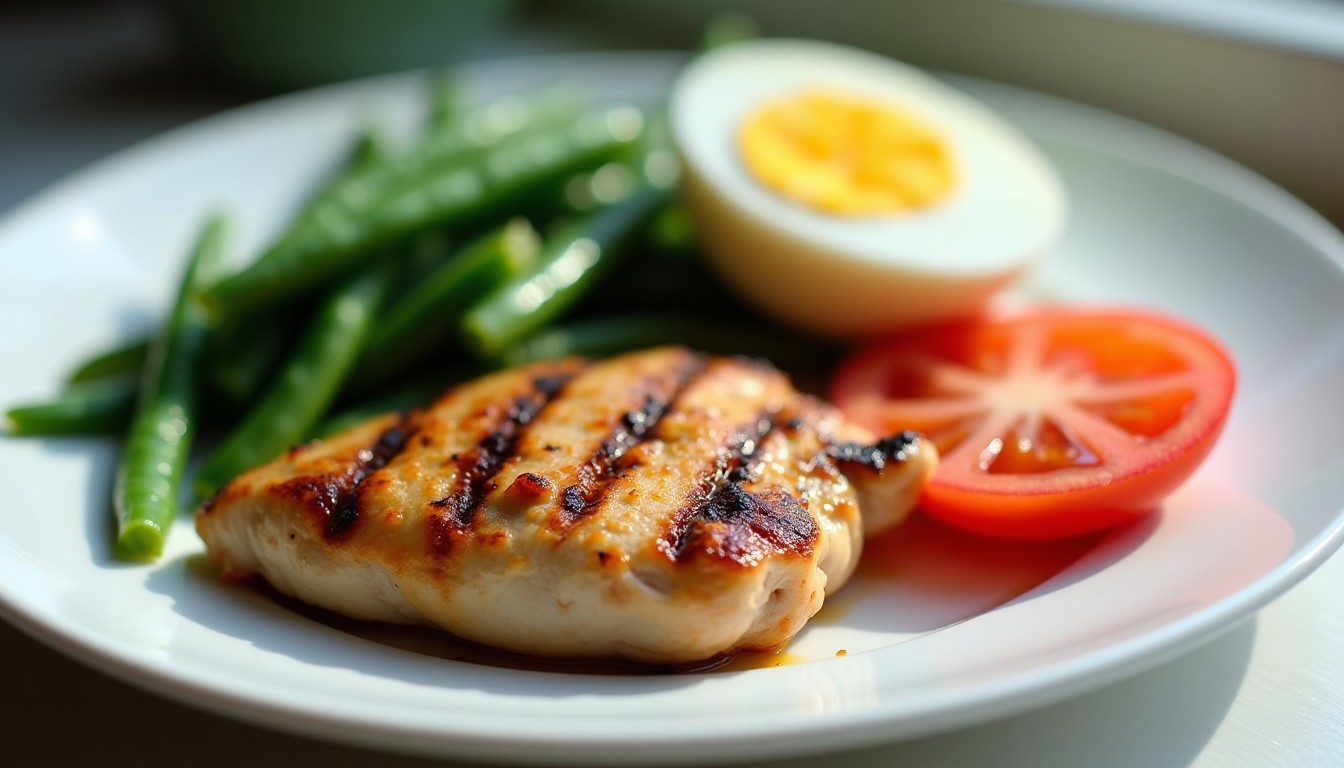
- Eat protein with every meal and snack — aim for 20-30g per meal (chicken, eggs, Greek yoghurt, legumes, fish)
- Choose whole grains and low-glycaemic carbs: steel-cut oats, quinoa, legumes, sweet potato, brown rice — not white bread or processed cereals
- Add fibre intentionally: vegetables, whole fruits, chia seeds, ground flaxseed — aim for 25-30g daily
- Avoid or minimise refined carbohydrates and added sugar, which spike insulin and re-trigger the storage cycle
- Eat regularly (every 3-4 hours) to prevent blood sugar crashes and compensatory overeating
- Track how you feel, not just the scale — energy, hunger, mood, period regularity are all valid metrics of metabolic improvement
Frequently asked questions
Get a meal plan built around this
Generate your personalised 5-day PCOS & PMOS meal plan free — high protein, hormone-balancing, built around your fasting window and profile.
Start free trial