Is Bread Bad for PCOS? Which Loaf to Buy and How Much to Eat
Bread is the food many women with PCOS feel they have to give up — and the one they miss most. You don't have to. The kind of bread, how much of it you eat and what you put on it matter far more than bread itself. Here's what the research says, and how to choose a loaf that works for you.
Key takeaways
- Whole grain bread is linked to a lower risk of type 2 diabetes; refined grains like white bread are not protective
- "Whole wheat" sandwich bread can raise blood sugar almost as fast as white — dense, grainy and rye breads do better
- Sourdough often raises blood sugar less than yeast bread, but a white sourdough is still refined flour
- Freezing and toasting bread lowered its blood sugar rise in a small study
- One or two slices with protein is a sensible PCOS portion — count it as the meal's starch
Contents
What the research says about bread
Most women with PCOS have some insulin resistance. Foods that raise blood sugar quickly make the body release more insulin, and high insulin pushes the ovaries to make more androgens. White bread is made from finely milled flour that digests fast, which is why bread gets blamed.
The type of grain matters a lot. A review of 16 large studies found that eating more whole grains was linked to a lower risk of type 2 diabetes — about 32% lower at three servings a day — and whole grain bread was one of the foods behind that link. Refined grains such as white bread showed no protective link.1
Weight is the other worry. In a Spanish study of over 9,000 adults followed for about five years, eating two or more portions of white bread a day was linked to a 40% higher risk of becoming overweight compared with eating it once a week or less. Whole grain bread showed no such link.2
Which bread is best for PCOS?
Here's the surprise: a soft "whole wheat" sandwich loaf can raise blood sugar almost as fast as white bread. In the international glycaemic index tables, ordinary white and whole wheat breads both sit around 70–75 — the flour is milled so fine that the body digests it almost as quickly.4 What helps is structure: whole kernels, seeds, rye and dense crumb slow digestion down.
Rye is a good example. In a Finnish trial, whole kernel rye bread caused a lower insulin response than wheat bread, even though blood sugar rose by a similar amount.5 Lower insulin is exactly what matters most in PCOS.
| Bread | PCOS pick? | Why |
|---|---|---|
| Whole kernel rye / pumpernickel | Best | Dense, high fibre, lower insulin response |
| Whole grain sourdough | Best | Whole grain plus fermentation |
| Seeded / sprouted whole grain | Good | Visible grains and seeds slow digestion |
| White sourdough | Sometimes | Fermentation helps, but still refined flour |
| Soft whole wheat sandwich bread | Sometimes | More fibre than white, but digests fast |
| White bread, bagels, brioche | Occasional | Refined flour, often added sugar |
Reading the label: look for "100% whole grain" or whole grain flour as the first ingredient (not just "wheat flour"), at least 3 g of fibre per slice, and little or no added sugar. "Multigrain" and a brown colour don't mean whole grain.
Is sourdough better?
Often, yes. Sourdough is fermented by wild yeasts and bacteria that make acids, and a review of the clinical studies found sourdough fermentation can lower the blood sugar response to bread compared with ordinary yeast bread.6
But it isn't magic. A 2023 systematic review of 25 trials concluded that the benefits depend on the flour, the bacteria and how long the dough was fermented, so it's hard to say every sourdough is better.7 Many supermarket "sourdoughs" are ordinary yeast breads with flavouring. The best choice is a whole grain sourdough from a bakery, where the ingredient list is flour, water and salt.
Freezing, toasting and what you put on top
A simple kitchen trick: in a small Oxford study, white bread that had been frozen and defrosted, toasted, or both, raised blood sugar noticeably less than the same bread eaten fresh — frozen-then-toasted homemade bread by about 40%.8 Slicing your loaf and keeping it in the freezer also stops you eating half of it while it's fresh.
What goes on the bread matters just as much. Protein slows digestion and keeps you full for longer; meals with around 25–30 g of protein help with appetite.9 Good toppings for PCOS:
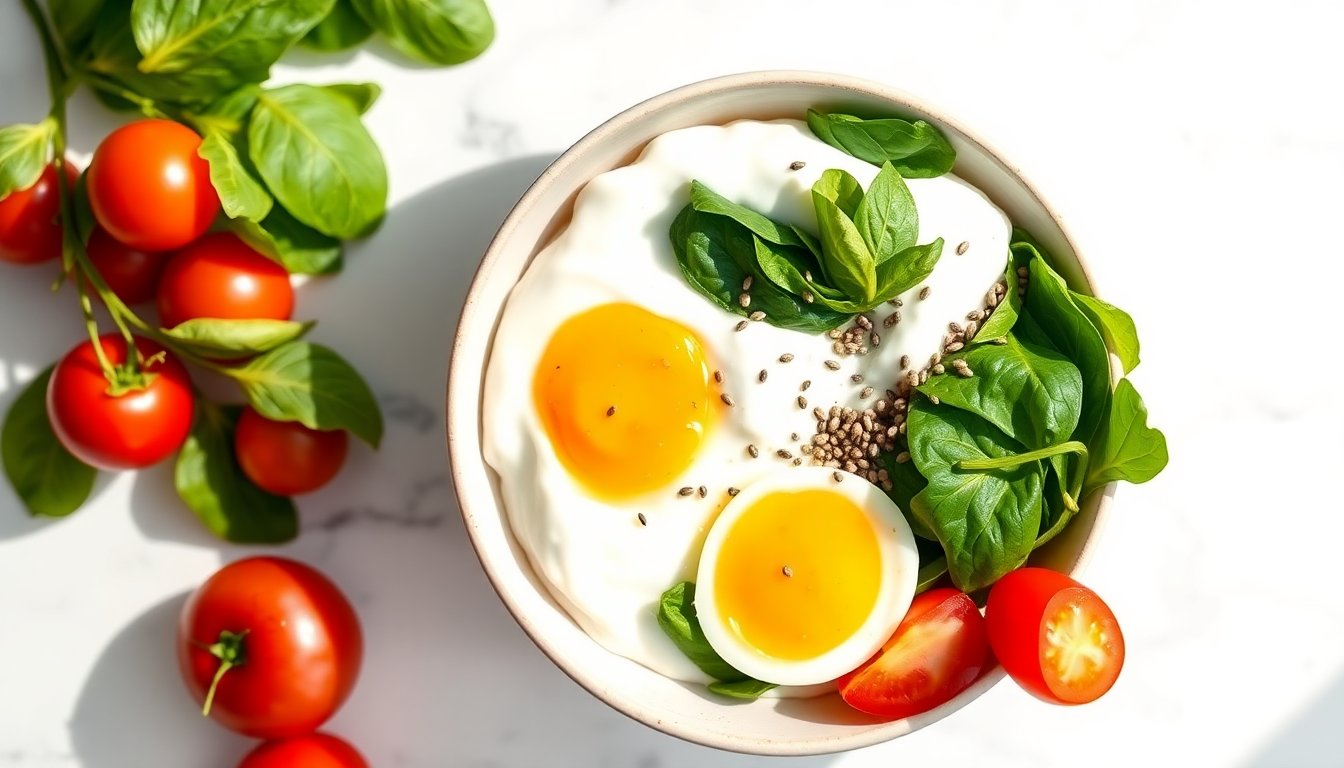
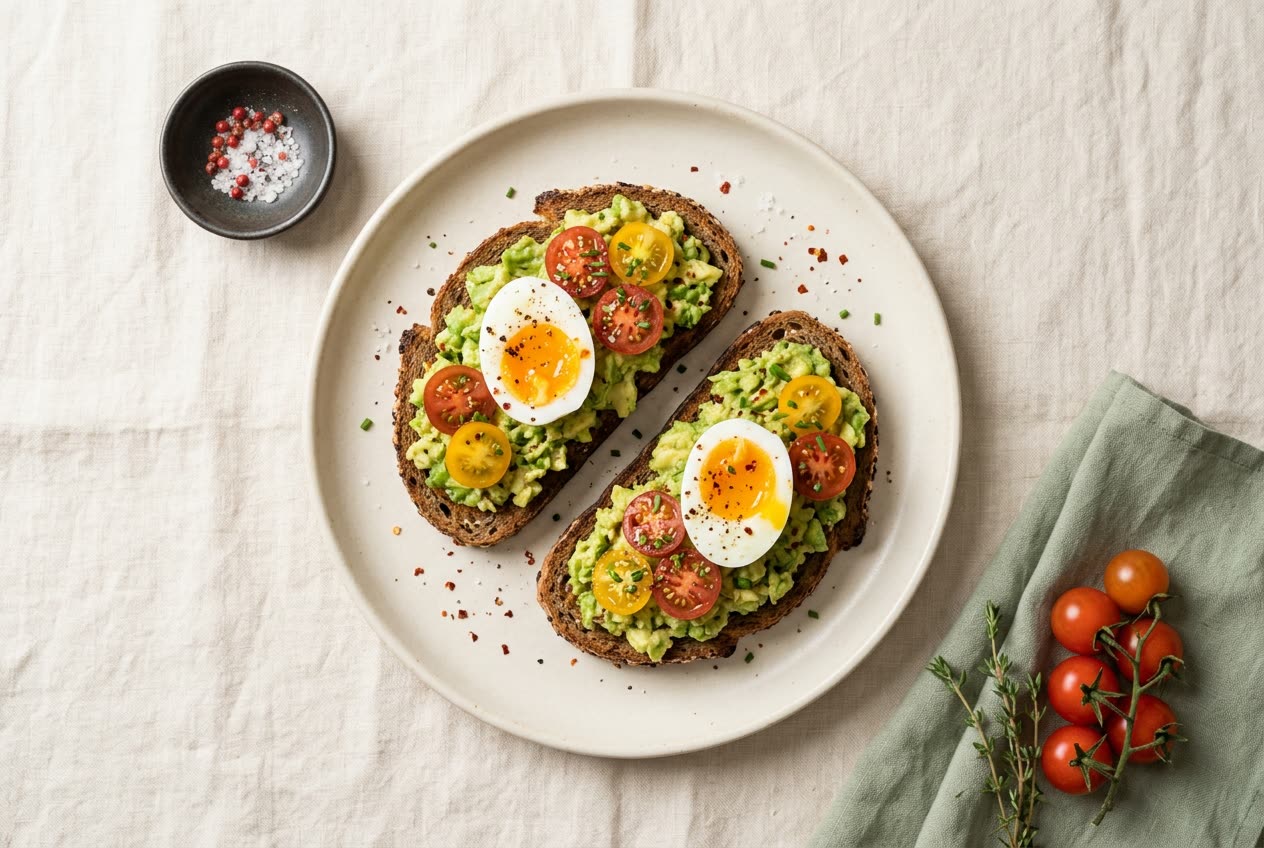
- Eggs — boiled, poached or scrambled, with smashed avocado and tomatoes
- Smoked salmon or tinned sardines with cucumber and lemon
- Cottage cheese or Greek yogurt with cherry tomatoes and herbs
- Hummus or mashed white beans with roasted peppers
- Leftover chicken with spinach and a little pesto
Go easy on jam, honey and chocolate spread — sugar on top of fast starch is the combination that spikes blood sugar most.
How much bread with PCOS?
One to two slices at a meal is a sensible portion. A slice of whole grain bread is roughly 80 kcal and 12–15 g of carbohydrate, so two slices are about the same carbs as a cupped hand of rice or a small potato. Count bread as the starch on your plate: if you have toast, skip the rice or potatoes at that meal.
- Breakfast: 1 slice of rye or whole grain sourdough + 2 eggs + vegetables
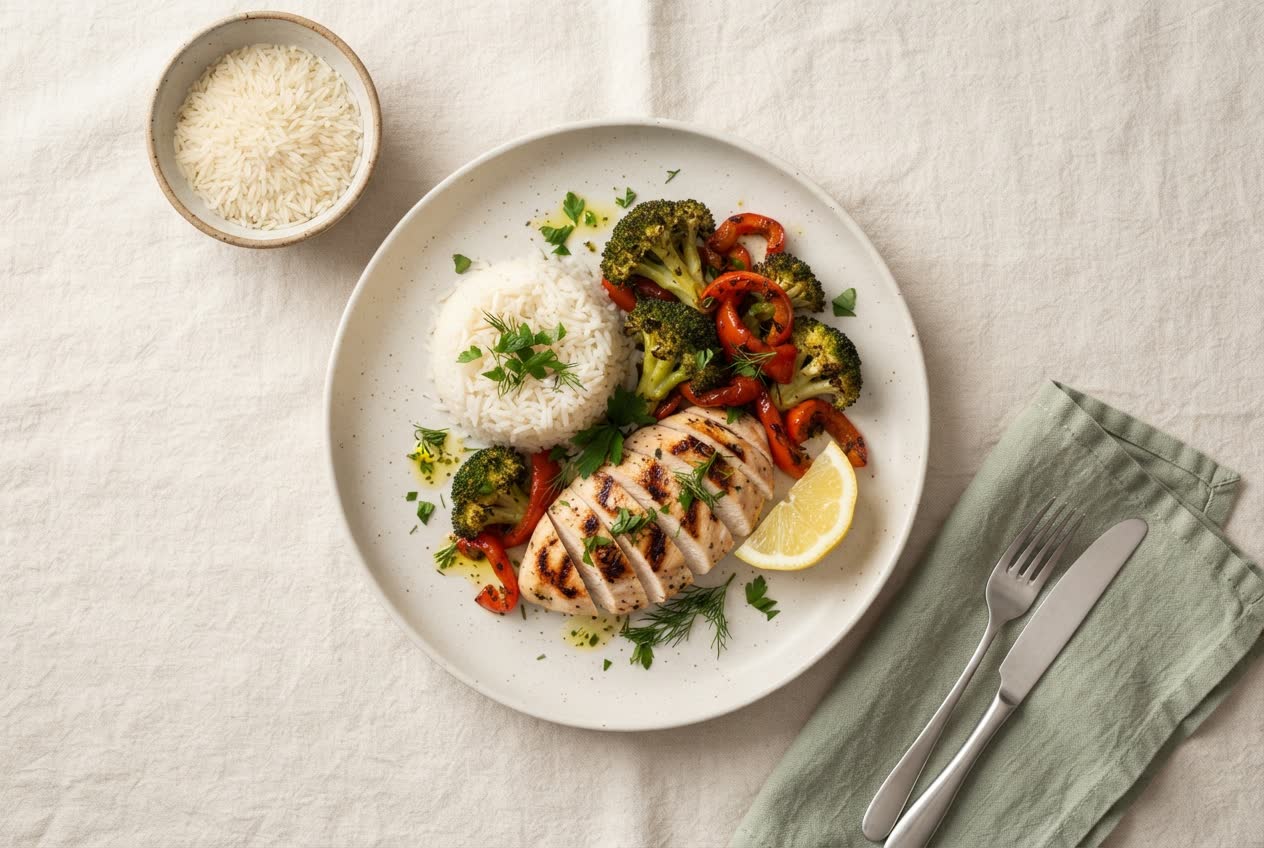
- Lunch: an open sandwich — 1–2 slices piled with protein and salad, instead of a sub roll
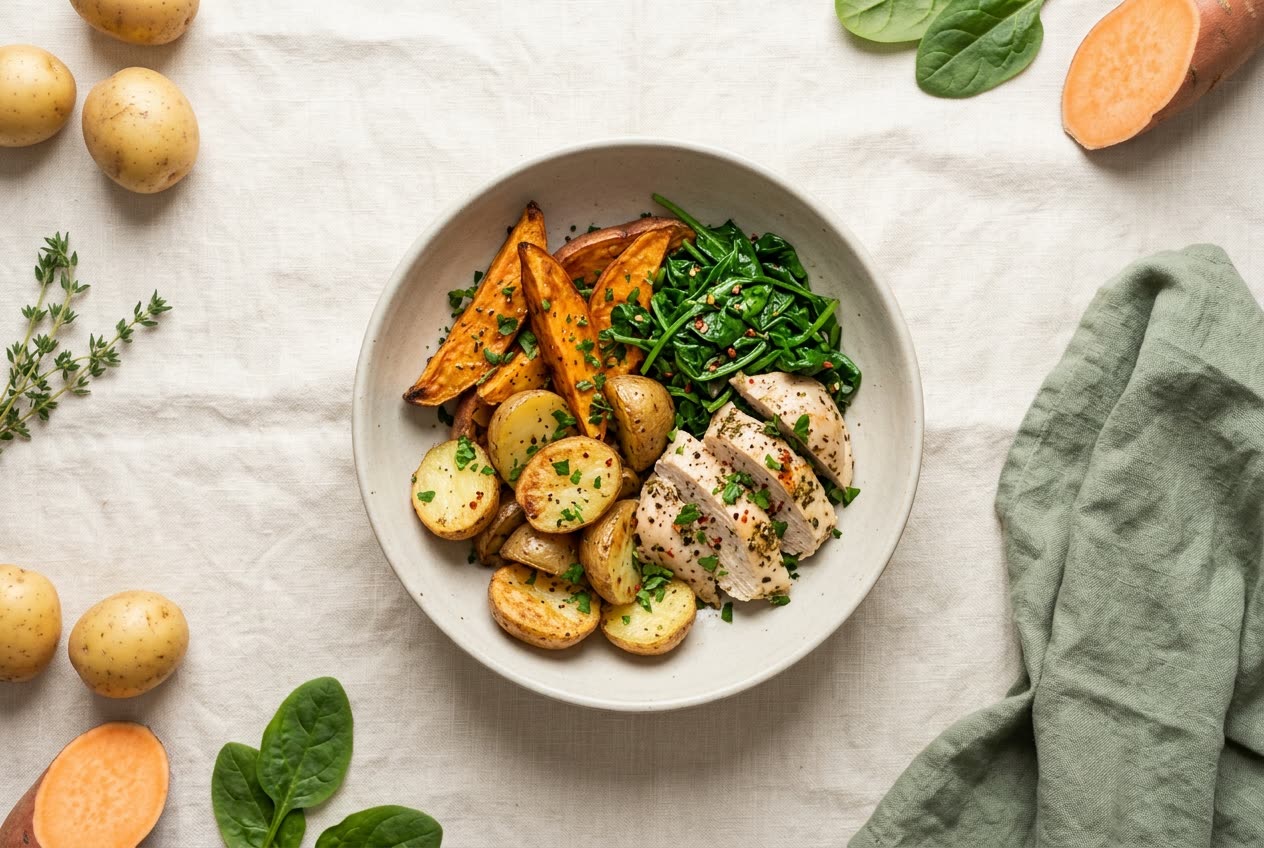
- Dinner: usually skip bread if the meal already has grains, beans or potatoes
Want more ideas? See our PCOS breakfast ideas, high-protein PCOS breakfasts and PCOS lunch ideas. For other starches, read rice and PCOS, potatoes and PCOS and oatmeal and PCOS.
Frequently asked questions
Is bread bad for PCOS?▼
Is sourdough bread good for PCOS?▼
Is whole wheat bread better than white bread for PCOS?▼
How many slices of bread can I eat with PCOS?▼
Does toasting or freezing bread lower its glycaemic index?▼
References
- Aune D et al. (2013). Whole grain and refined grain consumption and the risk of type 2 diabetes: a systematic review and dose-response meta-analysis of cohort studies. Eur J Epidemiol. PMID 24158434
- de la Fuente-Arrillaga C et al. (2014). Glycemic load, glycemic index, bread and incidence of overweight/obesity in a Mediterranean cohort: the SUN project. BMC Public Health. PMID 25335643
- Teede HJ et al. (2023). Recommendations from the 2023 International Evidence-based Guideline for the Assessment and Management of Polycystic Ovary Syndrome. J Clin Endocrinol Metab. PMID 37580314
- Atkinson FS et al. (2021). International tables of glycemic index and glycemic load values 2021: a systematic review. Am J Clin Nutr. PMID 34258626
- Leinonen K et al. (1999). Rye bread decreases postprandial insulin response but does not alter glucose response in healthy Finnish subjects. Eur J Clin Nutr. PMID 10334650
- Stamataki NS et al. (2017). Bread making technology influences postprandial glucose response: a review of the clinical evidence. Br J Nutr. PMID 28462730
- Ribet L et al. (2023). Nutritional benefits of sourdoughs: a systematic review. Adv Nutr. PMID 36811591
- Burton P, Lightowler HJ (2008). The impact of freezing and toasting on the glycaemic response of white bread. Eur J Clin Nutr. PMID 17426743
- Leidy HJ et al. (2015). The role of protein in weight loss and maintenance. Am J Clin Nutr. PMID 25926512
Bread, portioned for you.
HerMeal builds a 5-day PCOS plan around your calorie and protein targets — breads and grains sized as a side, paired with protein and vegetables. Free to try.
Build my free plan